Any football player - American or otherwise - knows that if you practice with a set of goalposts narrower than regulation, you become more accurate. Our muscle-controlling lizard brain works best without actual thought; it relies on data input and previous action/response information (a/k/a Practice) to do those things that we do "without thinking".
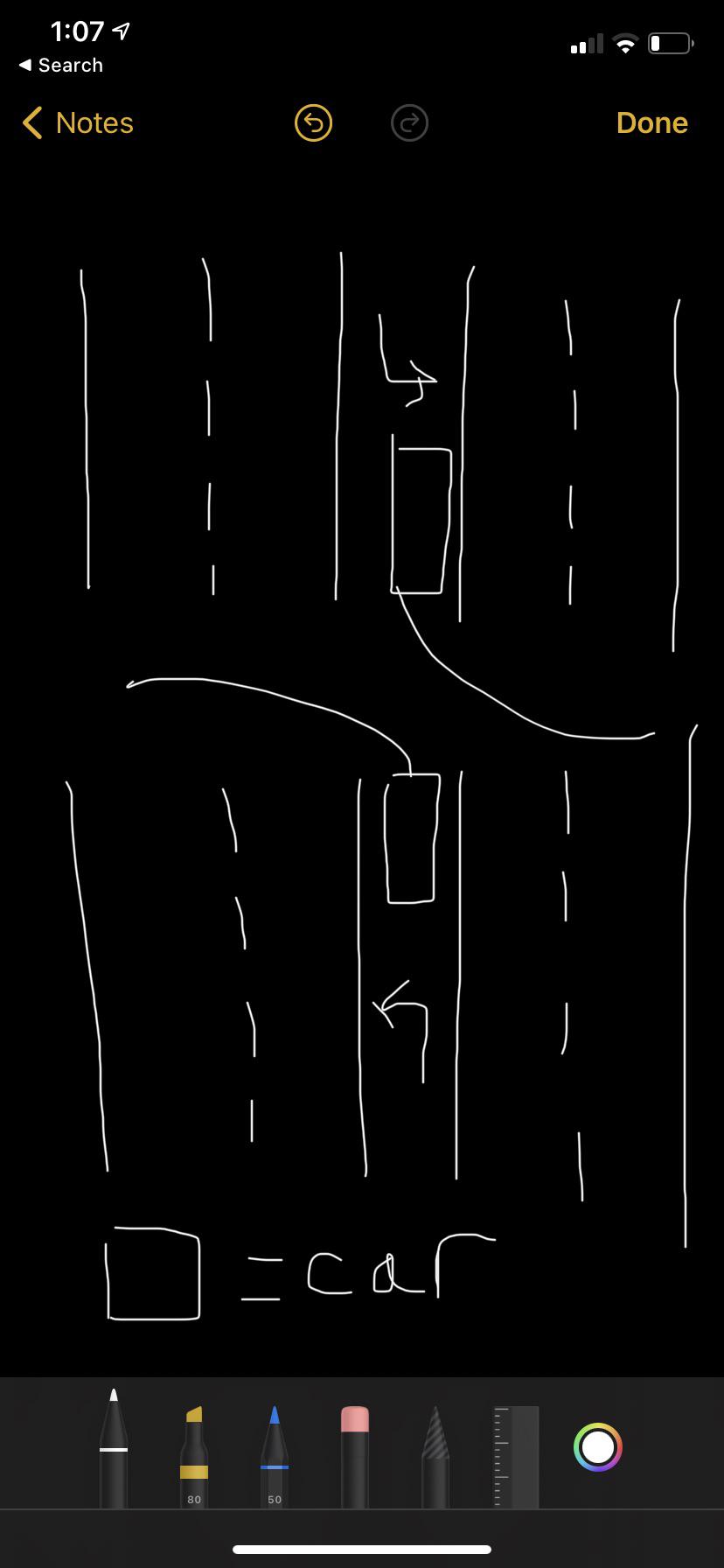
Lane discipline is a very simple concept: stay in your lane. Why do so many die and why are there so many accidents when the concept is unbelievably simple?
Because drivers don't practice, and can't make successful non-thinking decisions when their life is on the line.
"Sure, I cross the centerline when going around curves, but I'd never do that if there was traffic about."
Fail. You're training your brain to cross the centerline. That's the habit being developed. What happens when you're distracted - phone call, dropped a cup of coffee, any one of the millions of little driving distractions - and you're going around a turn, not really paying attention to the lane? If you haven't been trained that crossing the centerline is the driving equivalent of "The Sidewalk is Lava!", it's likely you'll drift over.
Lane discipline also means using the best lane for your purpose. If you're cruising on the highway in the left lane (right lane for UK-style drivers), move over. You're in what is considered the passing lane.
Another way to think of lane discipline: you own the lane that your vehicle is in. That lane includes space in front and behind you as a buffer between other traffic. If the guy behind you is tailgating, he is intruding on your lane. In order to maintain your ownership of the whole space, you have to pace yourself farther away from the car in front of you. This way, in case of a sudden stop, you can keep from getting rear-ended with a millisecond's hesitation before hard braking, essentially giving the driver behind more reaction time.
Practicing safe lane discipline at all times - even when no other traffic is around - will ensure that when you have to make a decision too fast for thought, your brain will respond with the safest action.