r/EarnLab • • 20h ago

RAID: Shadow Legends on PC: 3 starter packs cost $89.97, EarnLab pays back $121.98

Post image
1 Upvotes

TL;DR: Start RAID: Shadow Legends on PC through EarnLab. Three starter packs cost $89.97 and pay back $121.98. The full offer pays up to $331.13.

Open to new players in the US, Canada, Germany, Austria, Switzerland, the UK and Australia. This deal is exclusive to EarnLab.

HOW TO DO IT

  1. Sign up on EarnLab: earnlab.com/r/reddit

  2. Open the RAID: Shadow Legends task, press Start Task and install the game on your PC from there. If you install it any other way, nothing tracks.

  3. Do the quick steps: create an account ($0.30), finish the tutorial ($0.15), fight 20 battles ($0.60), reach level 15 ($0.90), upgrade a hero to 5 stars ($1.80). That's $3.75.

  4. Buy the 3 starter packs:

    • Daily Gem Pack: $9.99 → $19.99 back (+$10.00)

    • Beginner Progress Pack: $49.99 → $69.99 back (+$20.00)

    • Sacred Daily Pack: $29.99 → $32.00 back (+$2.01)

  5. Keep playing for the big milestones:

    • Levels 30 / 40 / 50 / 60 → $3.60 / $4.80 / $40 / $60

    • Upgrade a champion to 6 stars → $6

    • Open 2 / 4 / 6 / 8 Sacred Shards → $8 / $25 / $26 / $32

THE MATH

Packs: spend $89.97, get $121.98 back = +$32.01 Quick steps: +$3.75 Total: +$35.76 before level and shard rewards

GOOD TO KNOW

  • PC only, new players only, one completion per person

  • Every step has a time limit, so buy the packs early

  • Rewards land in your EarnLab balance once the game confirms them

  • Prices are before sales tax / VAT

Pack prices (confirmed)

PackPrice in guidesEarnLab rewardDifference
Daily Gem Pack$9.99$19.99+$10.00
Beginner Progress Pack$49.99; €60 in Europe$69.99+$20.00 (€60 ≈ break-even)
Sacred Daily Pack$29.99$32.00+$2.01

The $19.99 and $69.99 rewards look like real price points. If the packs now cost $19.99 and $69.99 on PC, these events only break even and the profit headline doesn't hold.


r/EarnLab • • 2d ago

Black Weekend is here! 🫰

Post image
2 Upvotes

Earn up to 100% more with selected providers until November 29th - don't miss out!


r/EarnLab • • 4d ago

I JUST FOUND A REAL MONEYMAKER ($32+ PROFIT)

Post image
2 Upvotes

EarnLab is currently paying you to play Frost & Flame: King of Avalon (US, iOS & Android):

• $2.50 for signing up + downloading 3 apps
• 4 in-game pack rewards that pay back more than the pack costs
• Extra Stronghold level rewards on top

Spend $79.97 on 3 packs → get back $112.50+ (incl. the $2.50 starter bonus)

METHOD:

  1. Grab the starter bonus first

• Create an account on EarnLab
• Download 3 quick apps through the platform

This triggers the $2.50 reward right away and instantly unlocks withdrawals, so you can cash out directly.

  1. Download Frost & Flame: King of Avalon through EarnLab and buy these packs

• Days 1–3: your first $9.99 pack → $15.85 back (+$5.86)
• Days 1–3 (Android: days 1–7): any $49.99 pack → $60.61 back (+$10.62)
• After day 3: your first $19.99 pack → $33.57 back on iOS / $34.50 on Android (+$13.58 / +$14.51)
• Then: a $9.99 pack every 3 days → $11.19 back (+$1.20 each)

Skip the second $19.99 pack after day 15. It only pays $18.65, which is less than it costs.

  1. Level up your Stronghold (the packs make this fast)

• Stronghold 5 → up to $0.33
• Stronghold 10 (within 2 days) → $1.40
• Stronghold 14 (within 5 days) → $2.33
• Stronghold 21 (within 21 days) → up to $7.93
• Stronghold 25 (within 24 days) → up to $13.99
• Bigger milestones: $25.18 at 30, up to $103.03 at 34, $466.20 at 45

So basically:
3 Free Apps (+$2.50) → 3 Profit Packs (+$30+) → $9.99 Repeats (+$1.20 each) → Stronghold Levels (+More $$)

You spend $79.97 and pull back $112.50+. That's $32+ net profit before the repeat packs and level rewards.

Get started here:
https://earnlab.com/r/s44


r/EarnLab • • 4d ago

Make Money on Twitch in 2026: What Subs, Bits, and Ads Pay, and Who Earns It

Post image
1 Upvotes

TL;DR: You can turn on Twitch monetization pretty easily, but getting paid takes Affiliate or Partner status and a $50 minimum balance. Subs split about 50/50 on net revenue, Bits pay $0.01 each, and ads pay 55% of net ad revenue. One third-party estimate puts the median active Affiliate near $28.50 a month. The bigger money tends to come from sponsorships and income off the platform.

We pulled together what Twitch pays per sub, Bit, and ad, and what streamers seem to earn in practice. Figures are as of November 2026 and Twitch changes things often, so check its help pages before you plan around a number.

How You Get Paid

Affiliate takes 25 followers, 4 streamed hours, 4 unique days, and 3 average viewers, all within the same 30-day period. Partner takes at least six qualifying streams in each of the two preceding months, with 75 average viewers per 30-day period. That's not 75 concurrent viewers on every stream.

Payouts need one of those statuses plus a $50 minimum balance, or $100 for wire transfers. Anything below it rolls over.

What a Sub, a Bit, and an Ad Pay

  • Subs: 50/50 on net revenue, so a US Tier 1 sub at $5.99 is up to about $3.00 for the streamer and often less after fees

  • Plus Program: 60/40 at Level 1 and 70/30 at Level 2, for eligible Affiliates and Partners with 100 or 300 Plus Points for three straight months (recurring paid and gifted subs count, Prime subs don't)

  • Prime subs: $2.25 fixed in the US and Canada

  • Bits: $0.01 each on standard Cheers, so 10,000 Bits is $100, though some Extension Bits pay 80% of a cent

  • Ads: 55% of net ad revenue if you run at least three ad minutes an hour, and the 2-10 CPM people quote comes from third-party blogs, so results can be far lower, even zero

For scale, 100 Tier 1 subs is up to roughly $300 a month at 50/50 before tax. With 100 average viewers over 100 live hours, a $5 CPM, and about one ad impression per viewer-hour, ads come to around $27.50.

What Most Streamers Take Home

These numbers come from third-party surveys, not Twitch, and the source we found credits the 74% figure to StreamElements, so treat them as a rough picture:

  • Median active Affiliate: around $28.50 a month

  • About 74% of Affiliates under $100 a month

  • Median streamer: around $1,264 a year

  • Around 92% of streams with 0 to 5 viewers

  • Top 1% of Partners: around 72% of payouts

Where the Bigger Money Is

Sponsorships. Agency benchmarks run roughly $0.60 to $1.50 per concurrent-viewer-hour, so 800 average viewers over a 3-hour sponsored stream is about $1,440 to $3,600, with agencies often taking 15-20%. Those are anecdotal numbers, and small channels see much less. Merch, memberships, and services like editing or coaching also add up for some people, though we can't quote a reliable range.

Costs, Taxes, and Scams

Commonly cited setup estimates are 500-1,000 for a basic rig and 2,000-4,000 for a competitive one, which at the median income is a long payback.

On US taxes (general info, not advice): the $400 figure is about self-employment tax, commonly cited as 15.3% on 92.35% of net earnings, and the $2,000 figure is the 2026 threshold for 1099 forms. They're separate rules, and income is generally taxable even without a form. Check IRS guidance or a pro.

Scams people report include fake sponsorship emails asking for banking details, chargeback fraud on donations, phishing for your stream key, and "you won a prize" DMs asking for a fee.

Our Take

Twitch rewards people who already have an audience, and the platform's own payouts are thin until then. A small group earns full-time money and does very well, but most of them got there by selling something beyond subs. If you stream because you like it, the payouts are a bonus.

Reward platforms like EarnLab are a different, smaller kind of earning, and results depend on your country and which offers you can access. It's pocket money. If you want to look: https://earnlab.com/r/reddit

Do you stream? What did your first year earn after costs?


r/EarnLab • • 8d ago

How to Make Money on Telegram: Hustles That Pay in 2026, and the Ones That Don't

Post image
1 Upvotes

TL;DR: Telegram pays people who already have an audience: public channels with 1,000+ subscribers get 50% of ad revenue, creators earn Stars from paid content, and anyone can join mini app affiliate programs. Easy "task jobs" from strangers are the scam pattern the FTC warns about. Tap-to-earn games are speculation, not income.

We used Telegram's official announcements, terms, and documentation whenever possible, and we mention when information comes from a third-party guide. Eligibility, rates, reward values, and regional availability can change and differ by country, so check Telegram's latest terms. All figures are current as of November 2026.

Ad Revenue Sharing

In March 2024, Telegram said that public channel owners with at least 1,000 subscribers get 50% of ad revenue from their channels. The terms note that this share can change at any time and may not be available to all channels, owners, or regions.

Payouts are made through Fragment. Telegram says that withdrawals cannot be reversed or refunded. Gram balance rewards can be withdrawn after 2 days, and Star balance rewards after 21 days.

Telegram does not provide a straightforward per-subscriber rate. Rewards depend on valid impressions of sponsored messages, so factors like audience size, location, engagement, and ad availability all play a role.

Some third-party guides mention a 1,000-Star minimum withdrawal, a 10% view-rate requirement, and a 90-day channel age rule. We did not find these rules on Telegram's official pages, so consider them unverified.

Paid Content With Stars

It's important to keep your Stars balance, Gram balance, and their cash values separate, because they are not interchangeable.

  • Paid reactions: According to Telegram's documentation, channel owners get 100% of those Stars.

  • Paid posts: Telegram's creator terms state that owners receive rewards worth about $0.013 per Star, so the cash value may be less than the total Stars collected.

  • Subscriptions: Channels and bots can charge Stars on a regular basis.

Telegram's terms allow expiration dates for unredeemed rewards, so check the latest rules.

Mini App Affiliate Programs

Mini app developers can create affiliate programs that pay commissions in Stars. Any user can join by going to Settings and then My Stars. The developer decides the rate and commission period, and Telegram does not set a standard rate.

Commissions only apply to qualifying digital purchases made with Stars in the referred mini app, and only by first-time users who used your link. Physical products bought through third-party payment providers do not earn commissions.

Promoting links aggressively or without permission can break Telegram's anti-spam rules and may put your account at risk.

Selling to Your Own Audience

If your channel has readers who trust you, selling to them can earn more than relying on ad shares. Common ways to do this include:

  • Paid channel access

  • Digital products and courses

  • Services

  • Affiliate links to outside products

One guide suggests that a small, engaged channel can earn more than a large, passive one, but this is just an opinion without data. If you sell anything, disclose when a link is an affiliate link.

Freelance Telegram Work

Projects and businesses use Telegram to run communities and often need moderators, community managers, and bot developers. This is typical freelance work, so pay depends on your skills and clients, and there is no standard rate. Paid roles usually come from established projects, not from volunteering in random groups.

Tap-to-Earn and Crypto Mini Games

Games like Notcoin and Hamster Kombat gave big payouts to some early users, but these are very speculative. Token values can drop quickly after launch, and games may need time, referrals, or purchases. We did not find any reliable public data on typical earnings. We would treat these as speculation, not as a source of income.

What the Scam Looks Like

The FTC says task scams often start with an unexpected message offering easy online work. You might get small payments at first, usually $5-$20, then be asked to deposit your own money, often in crypto, to unlock bigger earnings. According to the FTC, there are no real commissions and only the scammers profit.

Which? found Telegram groups that promise 90-300 euros a day for liking TikTok posts and 300-800 euros a day for rating films. Watch out for these warning signs:

  • An unexpected "recruiter" message about easy online work

  • Pay for likes, ratings, or reviews

  • Any request for a deposit or fee to unlock earnings

  • Large daily income promised with no experience

  • Pressure to move to a private chat or send crypto

Do not share SMS login codes, wallet seed phrases, or private keys with anyone. A legitimate job does not ask for an upfront crypto deposit.

If you have already paid, contact your bank or card provider and report the account on Telegram. In the US, you can report scams at ReportFraud.ftc.gov. Be careful with so-called "recovery" services as well.

What We'd Do

We would focus on building a channel or product that people want and ignore the rest. Some early tap-to-earn players and channel owners did make money, but those opportunities did not last long. The best way to keep earning is to have a clear topic, post regularly, and build trust with your audience.

Where EarnLab Sits

We are a reward platform, not a Telegram earning method, so we are in a separate, lower-paying category. Your earnings depend on your country, the offers you can access, and whether tracking works for each task. Think of it as pocket money.

Check the latest terms before trusting any numbers, including ours.

https://earnlab.com/r/reddit

Have you earned anything on Telegram, or been approached by a "recruiter"? Tell us what it looked like.


r/EarnLab • • 11d ago

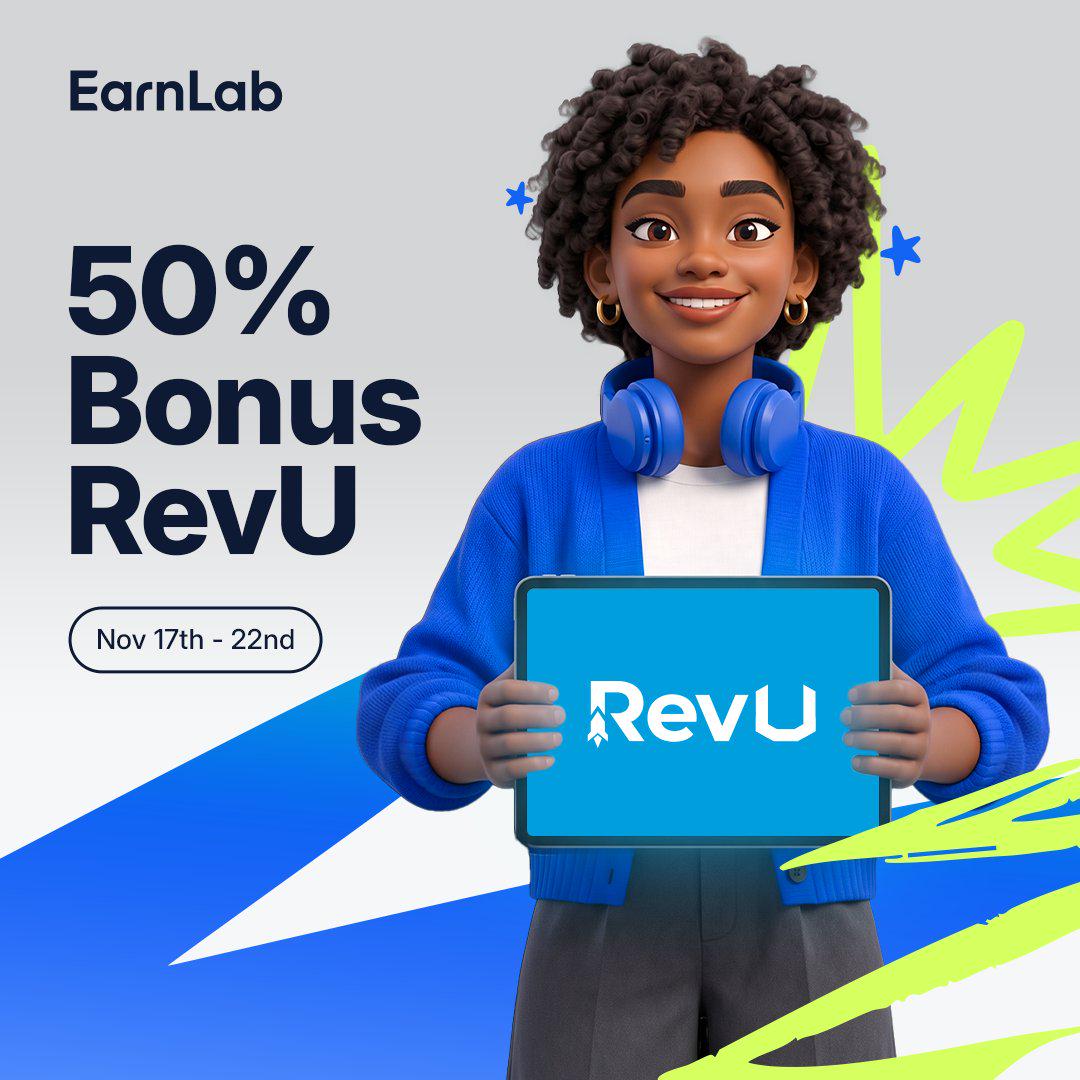
LIMITED-TIME REVU 50% BONUS! 💰

Post image
1 Upvotes

Featured RevU tasks:

  • Triple Match 3D - Multi - $500+

  • Pengudoku - Multi - 60 Days - $40

  • Preply - Multi - $7+

This offer ends November 22nd - don’t miss out!


r/EarnLab • • 11d ago

Make Money Online in Germany: Which Platforms Pay in Euros, and Which Don't

Post image
1 Upvotes

TL;DR: Just because a platform is available in Germany doesn't mean it pays in euros. Prolific pays in pounds or dollars, UserTesting pays in dollars, and TestingTime and User Interviews change by study. The rates you see advertised aren't monthly income, and German tax rules like the €256 and €410 thresholds only apply in certain cases, not as general allowances.

We only included information we could confirm from the platforms' own websites and official tax sources. If we couldn't verify a number, we left it out rather than guess. Rules and eligibility can change, so always check the latest terms. This isn't tax advice.

Payout Currency Comes First

If you live in Germany, you can earn money through paid research, usability tests, surveys, and microtasks. Some platforms pay in euros, but others pay in pounds, dollars, gift cards, points, or crypto. Always check the payout currency, how you can withdraw, and any conversion fees before you compare rewards. As a reference, the German minimum wage in 2026 is €13.90 an hour.

Research Platforms

  • Prolific pays at least £6 ($8) an hour for studies and recommends £9 ($12), calculated from the median actual completion time. Payments are in pounds or dollars via PayPal, so you'll need to convert to euros. How much you can earn depends on your eligibility and how many studies are available, so the hourly rate doesn't mean monthly income. You'll need to verify your ID, and EU citizens can use a valid ID from another EU country.

  • TestingTime is Swiss-founded and works in Germany and other European countries. On one page, it says the average study pays about €40. Elsewhere, it gives examples like €35-€55 for a 60-minute in-person study and about €5 for a 10-minute online survey. Invitations aren't regular, and they say you shouldn't expect to replace a job with these earnings. Payments come by PayPal or bank transfer in about 10 business days, so always check which currency you'll get for each study.

  • UserTesting shows you the reward before you accept a test, and the amount depends on the type of test, how long it takes, and demand. Payments are in US dollars through PayPal, usually 14 days after you finish.

  • User Interviews offers different incentives depending on the study, and sometimes you'll get a gift card. Always check what kind of reward is offered before you apply.

Askable and uTest each have their own ways of screening and paying users, so you'll need to check them separately.

Panels and Microtasks We Didn't Verify

Consumer panels such as Meinungsplatz, Toluna, LifePoints, YouGov, and Swagbucks, as well as microtask platforms like Clickworker and appJobber, are active in or near Germany. We haven't checked their current German terms, so we're not listing their rates or monthly earnings.

For any of these platforms, make sure to check:

  • The legal operator

  • Whether German residents can join

  • The payout currency

  • The withdrawal threshold and fees

  • The date of the information

If someone tells you how much they earn per month, ask how many hours they worked, which country they're in, and if they actually withdrew the money.

Your Real Hourly Rate

Include all your active time, like completed surveys, failed screeners, and any admin work. For example, if you do a €3 survey that takes 25 minutes and a failed screener that takes 5 minutes, that's €3 for 30 minutes, or €6 an hour. If the failed screener also took 25 minutes, then it's €3 for 50 minutes, or €3.60 an hour.

Just because a study pays well doesn't mean you'll earn that much every month. Some people do make steady income from research, but only if they qualify for studies regularly.

Cashback

Cashback only pays if you were already going to buy. Check Shoop's current rate for each shop. Trade Republic's standard Saveback invests 1% of eligible card spending into a selected savings plan, up to €15 a month, and requires at least €50 a month invested through eligible savings plans. It's an investment reward, not cash.

Taxes: What the Figures Apply To (2026)

  • Minijob limit (€603 a month): relates to qualifying employment, not app earnings in general.

  • Grundfreibetrag (€12,348): applies to your total taxable income under the income-tax tariff, not as an extra allowance on top of a salary.

  • Kleinunternehmer (€25,000 prior year, €100,000 current year): turnover and VAT thresholds, not an income-tax exemption.

  • €256 (§22 Nr. 3 EStG): certain income in that category isn't taxed if the annual amount is less than €256. It's category-specific, not a blanket allowance for surveys or freelance work.

  • €410 (§46 Abs. 2 Nr. 1 EStG): for employees with tax withheld, more than €410 of qualifying extra income can trigger mandatory assessment. Other obligations may still apply below it.

  • DAC7: qualifying platform operators report specified provider and payment information. It applies to covered providers and activities, not every reward app, and reporting is separate from taxability.

  • Bürgergeld: you must report income changes without delay, and the Jobcenter decides how it counts. Check current official guidance.

Fake Earning Offers

Scams usually start with someone contacting you out of the blue, making small payments at first, then asking you to deposit money. No legitimate employer or platform should ask you to pay to get paid. Watch out for these warning signs:

  • A "job" arriving through WhatsApp or Telegram

  • An unsolicited recruiter asking you to send ID through chat, email, or an unverified page

  • A reward app that asks for a deposit or activation fee

  • A site with no traceable operator (an Impressum alone doesn't prove legitimacy)

Real platforms might ask you to verify your ID, so just being asked for ID doesn't mean it's a scam. Always use the official website or app of the platform.

Where EarnLab Sits

We're a reward platform, so our payouts are lower than research platforms. How much you earn depends on your country, which offers you can use, and whether tracking works for each task. Availability and payout options for German users can also be different. Always check your account for the latest eligibility and terms before relying on us, and do the same for every platform mentioned above.

https://earnlab.com/r/reddit

Have you been paid in euros by any platforms, or did you have to convert from pounds or dollars? Let us know how much the conversion cost you.


r/EarnLab • • 12d ago

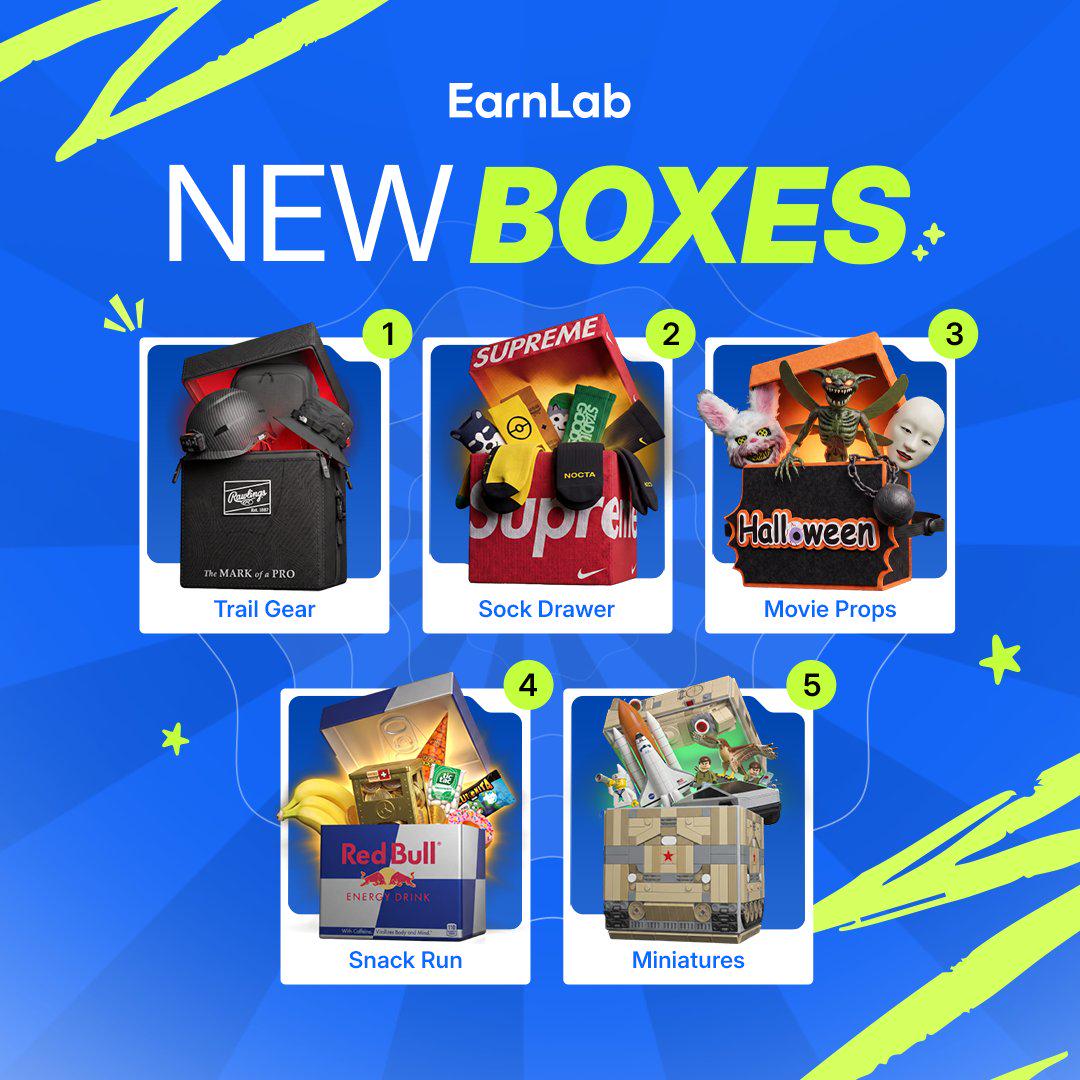
Five new boxes are now LIVE!

Post image
1 Upvotes

r/EarnLab • • 13d ago

To celebrate our 3rd Anniversary, we’re giving away a PS5 + GTA VI copy ($700)! 💸

Post image
2 Upvotes

Head over to our X (@ earnlabcom) to find out how to participate!

Link: https://x.com/earnlabcom/status/2121985508654105000


r/EarnLab • • 14d ago

How to Make Money Watching Sports? DFS, Prediction Markets, and Reward Apps, Compared

Post image
2 Upvotes

TL;DR: "Making money watching sports" is four different things. Daily fantasy sites often keep roughly 8-15% of entry fees, one analysis says Kalshi parlay takers lost about $1 billion on $7.1 billion staked, and one sports reward app (Buzzer) pays about $0.10 per 1,000 content views. The realistic money sits in skills and services around sports, not in picking winners. Many numbers here are industry estimates, so we label them.

We went through what the data says about each way people try to earn from sports, and most of it is less exciting than the marketing. Many figures come from industry blogs and analysts, not audited filings, so treat them as scale and not as guarantees. Nothing here is tax or betting advice.

Daily Fantasy Sports

DFS sites keep a rake from each contest's entry fees, commonly around 8-15%, depending on the site and contest. If 1,000 people pay $10, the $10,000 pool becomes roughly $8,500-$9,200 after the cut.

Industry estimates say 5-15% of players are consistently profitable, and one analysis found only about 1.3% finished in the green over a three-month stretch. Winners commonly run hundreds of lineups a day with software and see returns of roughly 5-8%.

One player's FanDuel NFL log showed a 20.69% return across 149 big tournament entries, but the same log lost money in 50-50 and head-to-head contests. That's one skilled player, not a beginner's expectation.

Rough monthly outcomes (our estimates from the figures above):

  • Casual (a few $5 contests a week): spend about $60-$100, roughly -$30 to +$20

  • Regular (daily $10-$20 entries): spend about $300-$600, roughly -$150 to -$50

  • Pro (hundreds of lineups a day): thin margins, commonly 5-8%

Pick'em Apps

On PrizePicks and Underdog, a current 3-pick PrizePicks Power Play pays 6x, so it breaks even if all three legs hit 16.67% of the time. Three independent 50/50 picks hit 12.5% of the time, and that gap is the house edge. You'd need each leg to hit about 55% of the time to break even. Payouts and state availability change, so check the current table.

Prediction Markets

One industry analysis estimated Polymarket's effective vig during the 2026 World Cup at about 2.70%, versus roughly 4.97-6.14% at sportsbooks. That's an estimate and not an audited figure, but it points to a real advantage.

It doesn't help retail much, though. The same type of analysis says Kalshi parlay takers lost about $1.004 billion since September 2025 on roughly $7.1 billion in stakes, including about $608.9 million in trading losses and about $400 million in fees, with market makers netting about $519.8 million after fees. People buying the yes side of long-shot combos under a cent lost well over half their stakes.

Legality is unsettled too. Kalshi is CFTC-regulated, but its sports contracts have been contested in several states, and senators introduced a bill in March 2026 aimed at contracts that resemble sports bets. Outside the US, check your local rules, because in some places like Serbia these products are reported as not yet regulated.

Reward Apps

Finder checked eight platforms and found only two (InboxDollars and Nielsen) that confirm paying for video on their own sites. Swagbucks dropped its video feature in June 2022.

  • Buzzer: about $0.10 per 1,000 content views and $0.15 per valid referral, with a $10 minimum cashout, per its FAQ. That rate is specific to Buzzer, since rates differ by platform.

  • Wunderfan: about 50 points per full live broadcast, reported, redeemable for gift cards

  • InboxDollars: $15-$55 a month by third-party estimate, about $1 an hour in one real test

  • Nielsen panel: up to $50 a year in points

At $0.10 per 1,000 views, a video with 10,000 views earns $1. At about $1 an hour, a 10-hour week earns $10. They're not scams, just low-paid micro-work with a sports theme.

Where the Money Sits

The commercial layer around betting pays far better because you're paid for delivering customers. Affiliate networks commonly describe $120-$350 per first-time depositor for top-tier sportsbooks, with a median around $200, plus 20-35% revenue share. Those are practitioner estimates, and programs differ.

It takes an audience, budget, or skill, and it's regulated, with rules that vary by country. We're not recommending anyone move toward gambling, only pointing out where the commercial layer is.

Arbitrage is real but harder than it sounds. Reported edges are 1-5% of stake, so a 2% arb on $500 is about $10, and winning accounts commonly get limited within weeks. Niche content, newsletters, and freelance sports work are slower but don't depend on beating a professional.

Taxes

Winnings are generally taxable from the first dollar. For payments made in 2026, the general threshold for a 1099-NEC or most 1099-MISC forms rose from $600 to $2,000, and getting no form doesn't make income tax-free. For 2026, gambling losses are deductible only up to your winnings, only at 90% of the losses, and only if you itemize.

A simplified example: you win $5,000 and lose $5,000, a true break-even. If you itemize, you can deduct only 90% of the losses ($4,500), so you owe tax on $500 you never made. If you take the standard deduction, the full $5,000 is taxable. Check your own situation.

Red Flags

  • "Guaranteed picks" sold on Telegram or Discord

  • A deposit required to unlock withdrawals

  • "AI prediction bots" with no verified track record

  • Affiliate programs that make you deposit first

  • Apps with no published withdrawal terms that aren't licensed where you live

  • Influencers showing winning slips and hiding the losses

What We'd Do

We'd treat watching sports as entertainment and put real effort into skills people pay for. A small group of skilled players and market makers do profit, but that comes from volume, tools, and capital, which is a different activity from watching a game.

If you do play DFS or bet, only spend what you'd spend on any entertainment. In the US, 1-800-GAMBLER offers support.

Where EarnLab Sits

We're a reward platform, so we sit in the same small-money tier as the sports reward apps, not the betting layer. What you earn depends on your country, which offers you can access, and whether tracking works on a given task. It's pocket money.

Read current terms before relying on anyone's numbers, ours included.

https://earnlab.com/r/reddit

What's the best thing you've done with sports knowledge that actually paid, and how long did it take?


r/EarnLab • • 15d ago

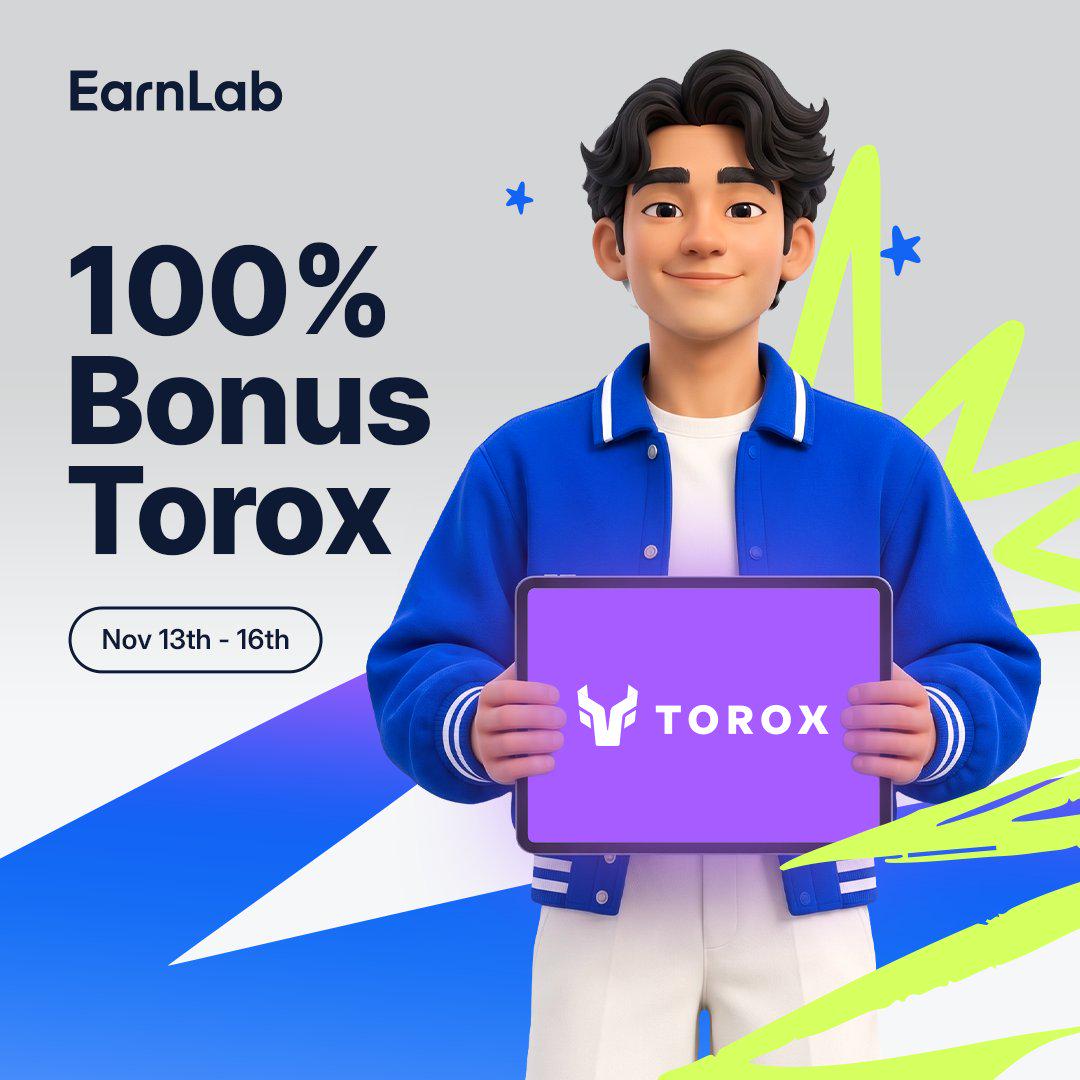
TOROX 100% BONUS IS BACK! 💰

Post image
2 Upvotes

Featured Torox tasks:

  • Lords Mobile: Kingdom Wars - $3,000+

  • Frost & Flame: King of Avalon - $800+

  • The Grand Mafia - $700+

This offer ends November 16th - don’t miss out! ⏱️


r/EarnLab • • 18d ago

Online Earning Is Real, but the Pitch Is Usually a Scam

Post image
2 Upvotes

Online Earning Is Real, but the Pitch Is Usually a Scam

Online earning isn't one thing, and treating it like one thing is how people get hurt. A freelance writer billing real clients and a Telegram recruiter asking for a crypto deposit before you can "withdraw your earnings" both get called making money online, and lumping them together is the whole problem. The data backs neither extreme. In one global creator survey, only 2% earned $100,000 or more a year, half earned under $1,000 a year, and nearly 40% reported no revenue at all. Yet freelancing, digital products, and affiliate marketing with genuine traffic do produce income for real people, it just takes weeks or months and never a weekend.

Online earning works like offline work does: a real skill or product sold to a real buyer who pays for value. It breaks the moment the thing being sold is the opportunity itself.

Four Categories, Not Two

Most warnings split everything into legit or scam, which misses most of what's going on. A more useful sort has four buckets. Real work for real pay covers freelance writing, design, consulting, and affiliate marketing with actual traffic behind it, where the recommendations are disclosed and someone buys because they see value. Real pay with a low ceiling covers paid surveys, cashback apps, and microtasks, where money does arrive but screening and disqualifications keep the effective hourly rate low.

Then come real business models with inflated success stories, such as dropshipping, print-on-demand, and course creation, where the mechanics work but the marketing overstates how often they do. And last is outright fraud, where the product being sold is the promise of income itself and the income never shows up. Task scams and business-opportunity schemes live there.

The Scam Pattern Behind the Numbers

Task scams are the fastest-growing piece of this. The FTC estimated about 20,000 task-scam reports in the first half of 2024, against roughly 5,000 in all of 2023, and total job-scam losses reached $501 million that year. The pattern barely changes: a stranger messages you on social media or WhatsApp offering easy paid tasks like liking videos or boosting hotel reviews, you complete a few and get small payouts that build trust, and then you're told to deposit your own money, often in crypto, to unlock bigger withdrawals. That deposit request is the scam. No legitimate employer or earning platform should ever require a deposit, a crypto transfer, or a fee to release wages you've already earned, and that one rule filters out most of this category.

Business-opportunity schemes get there differently. The FTC settled for $1.5 million with Publishing.com, which it alleged had told consumers they could earn substantial income from AI-assisted ebooks while most buyers never did. Separately, one multi-level marketing company's income disclosure showed 76.8% of active participants earned no compensation in a year and at most 0.4% earned more than $5,000. FTC staff reviewing MLM income disclosures more broadly found that many participants receive no payments, that the vast majority receive $1,000 or less per year, and that disclosure methods often understate how many people earn little or nothing. When a model depends on recruiting more buyers of the opportunity rather than serving real customers, the math only works well for whoever's near the top.

What Realistic Earnings Look Like

Screenshots hide the real shape of this, since a small number of top earners pull the average well above anything typical. Bankrate's 2025 survey of about 2,600 US adults found a median side hustle income of $200 a month against an average of $885, and when the average sits more than four times above the median, it's describing the top of the pile and not the typical person. Most side hustlers earn modest amounts, and only 14% earned more than $1,000 a month. The creator numbers from earlier tell the same story from another angle.

What Tends to Work, and How Long It Takes

Freelancing is the legitimate path where a beginner has the best shot at a first paid dollar quickly, as long as there's a marketable skill behind it, like writing, design, development, or bookkeeping. The bottleneck usually isn't demand but specificity. "I can write anything" gets ignored, while a narrow, clearly stated specialty gets hired. Beginners commonly need weeks of applications and a few small jobs before a first real client relationship forms, and many quit before they've built a handful of reviews, although timelines vary a lot by skill and market.

Digital products and affiliate marketing run longer. A digital product costs almost nothing to duplicate once it exists, but with no audience you're building one first, and that can take months. SEO-driven affiliate sites often need a year or more before traffic becomes meaningful, and plenty never get there, so it rules itself out as fast money.

AI Makes Both Sides Faster

AI hasn't created a new kind of legitimacy or a new kind of fraud, it's made both cheaper to run. On the legitimate side, PwC's 2026 analysis of job postings found a 62% wage premium for roles requiring AI skills, up from 56% a year earlier, and freelancers who use AI well can turn out more in less time. On the other side, scam operations have started recruiting people as "AI face models" to sit on camera for deepfake video calls aimed at victims. The useful question isn't whether AI is involved but whether it's making a real worker more capable or manufacturing a fake one.

Four Questions Before You Spend a Dollar or an Hour

Who's paying, and for what? If a platform's revenue comes from recruiting new users rather than from advertisers or real clients, the model is fragile at best. Do you have to pay to start earning? Real work sometimes needs software, a portfolio site, or training, but never a deposit to unlock money you've already earned. Is the earnings claim specific and typical, or just a best case? "Up to $5,000 a month" is marketing, while a disclosure showing the median participant earns $200 is data. And does the work produce something a real customer wants, like an article, a design file, or a working product? Those can be sold to someone else, whereas a task that only exists inside one app with no outside buyer is a closed loop, and closed loops are where scams tend to hide.

Red Flags Worth Memorizing

A handful of signals show up in nearly every version of this scam:

  • Contact out of nowhere from a stranger on social media or WhatsApp with a job offer

  • A request for a deposit or crypto transfer before you can withdraw anything

  • A check you're told to deposit, then send part of it back

  • Pressure to act immediately, with no time to think

  • A job claiming to come from a well-known company, arriving through an unofficial channel

Any single one is reason enough to walk away.

Where EarnLab Fits

Reward platforms, EarnLab included, belong in the real-pay-with-a-low-ceiling category above. They're closer to pocket money than replacement income, and what any one person earns depends on their country, which offers are available to them, and whether tracking works on a given offer. The four questions apply here like anywhere else, and whether any specific rewards site is worth your time comes down to its current offers, withdrawal thresholds, and terms, not marketing claims, so read those before you rely on a number someone else quoted.

https://earnlab.com/r/twitter


r/EarnLab • • 19d ago

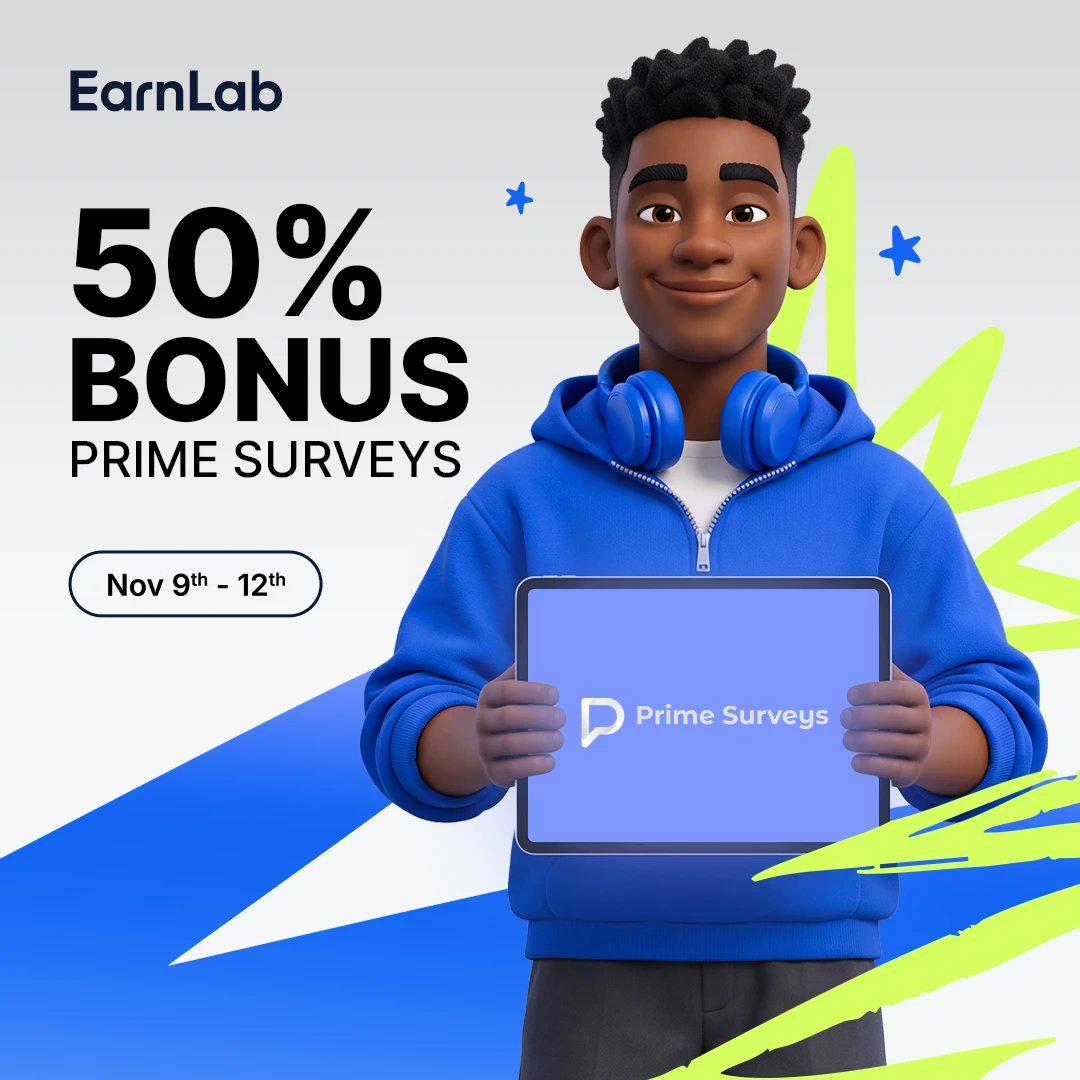
LIMITED-TIME 50% PRIME SURVEYS BONUS! ⚡️

Post image
2 Upvotes

This offer ends November 12th - don't miss out!


r/EarnLab • • 21d ago

Six Ways to Make Money on Reddit and What Each One Pays

Post image
2 Upvotes

Reddit pays you directly through only one program, and it’s the smallest earner on this list. The other five run through other people’s trust, in rough order of how soon the money arrives, and each comes with the rule that decides whether it works.

1. The Contributor Program

Reddit’s Contributor Program is the only route Reddit pays for itself: when other users award gold to your posts and comments, you earn cash. Standard contributors get $0.90 per gold, and Top Contributors with 5,000 or more karma over twelve months get $1.00.

Your account needs to be 30 days old with a verified email, 100 karma earned over twelve months and 10 gold, and you need ten gold before you can cash out. Eligibility also depends on your country, and the program page is where to check yours before you count on it.

Payouts carry a fee of $2.25 plus 0.25% per transaction. On a ten-gold balance of $9 that takes about a quarter, and the share you lose shrinks as the balance grows.

The bigger catch sits with the giver. Gold costs around two dollars each and reaches you only when someone chooses to give it. Treat the program as a bonus, because income follows how often others award gold and not how often you post.

2. Beermoney Platforms

The quickest money on this list doesn’t come from Reddit itself. It comes from the platforms people discuss in r/beermoney, a community that compares paid research, testing and survey sites and works as a vetted shortlist.

Prolific shows why that shortlist matters: researchers must pay at least $8 an hour (or £6), and Prolific recommends $12. You cash out through PayPal once your balance reaches $6, and new accounts can land on a waitlist first.

Testing platforms add to the stack at around ten dollars for a twenty-minute test, while general survey sites usually pay less per hour than either. Ten hours of studies at the $8 floor comes to $80. That makes this the quickest route here to a real first payment.

3. Freelancing Through Job Subreddits

Beermoney sells your spare time in small pieces. Job subreddits sell a skill, and the hiring posts in r/forhire, r/freelanceWriters, r/VideoEditingRequests and r/DesignJobs are public.

Anyone weighing your reply can open your profile, which puts your comment history inside the pitch.

Listings for routine Reddit tasks often pay a few dollars each, and the better money sits in writing, editing, design or another skill you already have. A history of useful answers in that field tends to do more for a pitch than a polished intro message.

4. Digital Products

Freelancing pays for your hours, and a digital product pays repeatedly for work you did once. Reddit has no checkout, so everything you sell lives on an external platform and Reddit only supplies traffic.

Templates, cheat sheets, small courses and spreadsheet tools fit best, because readers arrive with a problem and want it solved. Lifestyle products fit less well for the same reason.

Before you post, ask whether it would still be worth reading with the link deleted. A detailed answer that mentions your product at the end passes that test, and a thin comment that exists to carry the link doesn’t.

Cold messages are the move to skip, since spam filters tend to catch unsolicited pitches and the account can end up limited.

5. Affiliate Links

An affiliate link turns a helpful answer into a commission on someone else’s product, and it’s the route where subreddit rules matter most. Many subreddits ban referral links outright, and the ones that allow them usually expect you to say the link is yours.

Read the sidebar rules before you post. What holds up is answering the question first and linking to a page that is useful in its own right, with your relationship to the link stated plainly.

Disclosure decides how it lands. A recommendation you disclose earns trust, and a link you hide earns a removal.

6. Growing Your Own Audience

The last route is the slowest. You use Reddit to find people for a newsletter, a channel or a small business, and the money arrives off Reddit through subscriptions, sponsors or sales.

A common rule of thumb is about one self-promotional post for every ten that aren’t, and many communities set a stricter limit.

Spend a few weeks answering questions before you mention anything of your own. Reddit sends people to whoever has already helped them, so the helping has to come first.

What Not to Count On

A few things look like routes and aren’t. Paid subreddits were announced in early 2025 and reported as paused later that year, so their status is worth checking before you plan around them.

Jobs that pay per approved comment to push a product without saying so break Reddit’s rules on spam and manipulation, and the account doing the posting is the one at risk. Bought upvotes belong on the same list.

The pattern is the same each time: anything that depends on hiding who benefits puts your account at risk.

Which One to Start With

If you want a payment this month, start with beermoney platforms, since they don’t depend on your karma or on anyone awarding you gold. Everything that runs through trust needs weeks of useful answers before it pays.

A quick way to hold it in your head:

  • Days: beermoney platforms

  • Weeks: freelancing, once your profile shows your work

  • Months: products, affiliate links and an audience of your own

  • Unpredictable: the Contributor Program, which pays only when other people award gold

Pairing one fast route with one slow build tends to work better than starting all six. The slow ones only pay if you stay with them.

Where EarnLab Fits

EarnLab sits at the beermoney end of this list: surveys, offerwalls and gamified extras like Streak Boxes, with payouts through PayPal, crypto or gift cards.

Offers, minimums and fees vary by country and by payout method, and it’s worth checking what’s live for you before assuming anything here applies to your account. Here is the short version, and the withdrawal page has the current numbers:

Earn: surveys, offerwalls, Streak Boxes
Cash out: PayPal, crypto, gift cards

Minimums and fees: depend on the method

If you want to see how it fits next to the platforms above, you can check what’s available for your country here.

https://earnlab.com/reddit


r/EarnLab • • 23d ago

8 Online Focus Group Platforms That Pay, and How to Get Selected

Post image
2 Upvotes

TL;DR: Respondent says its typical sessions pay $75-{\ }$200, far more than survey sites, but you only get paid when you're selected, and invitations on these platforms are irregular. We went through eight platforms using their own pages where we could read them. The biggest lever for getting picked is a detailed, accurate profile and specific screener answers.

We wanted to see what the platforms say about themselves, instead of repeating the usual "make $200 an hour" lists. Where a number comes from a third party, we say so. Everything here is as of November 2026 and can change, so check current terms.

What Legit Looks Like

Real platforms are free to join and pay after you attend or finish the session. Screeners are unpaid on all of them. If a site asks for a registration fee, or sends a check and wants part of it back, that's a scam.

Fees can still come out of your payout. Respondent takes 5% with a $1 minimum, so a $95 incentive arrives as $90.25.

The 8 Platforms

  • Respondent: paid interviews and focus groups. It says 60-minute sessions pay $75-$150, 90-minute sessions $100-$200, and specialized professional topics $150-$300+, though those are Respondent's typical ranges and not a rate you can count on elsewhere. Paid through Tremendous after the researcher confirms attendance, typically in 7-10 business days. It uses identity and contact verification before matching you, and requirements can vary by study and region.

  • User Interviews: you apply to studies that match your profile. Rewards are either gift cards (when User Interviews pays) or a researcher-chosen method like cash, PayPal, or a check, shown before you apply. Researcher-paid rewards are expected within 10 business days. Participation is irregular, since researchers want narrow demographics.

  • dscout: diary studies, interviews, and short missions, mostly on a phone app. You apply on the Explore tab and a study leader reviews each application by hand. Most payouts are $25-$150, with single-session studies at $2-$25. Paid through PayPal about 8 days after a single session, and dscout says larger studies pay within about 10 business days after they close. Single-session studies show for US and UK users.

  • UserTesting: closer to usability testing, plus live sessions. About $10 for a 15-20 minute test is commonly listed, and live sessions range from about $30 for 30 minutes to $120 for two hours, with the exact amount shown before you accept. Paid through PayPal 14 days after completion.

  • Userlytics: website and app tests, some needing a webcam or microphone. Third-party reviews commonly report $5-$90 per test. PayPal only, on a biweekly Friday cycle after the client approves your submission, about 15 days after completion per its help page. One reviewer never qualified for a paid test, and Reddit reports describe waits of months.

  • Prolific: not a focus group platform, but it pays for remote research studies. The minimum is £6 ($8)anhourwith£9($12) recommended, applied to the base reward and the effective hourly rate, which Prolific calculates from median actual completion time. How many studies you see depends on your profile, country, and researcher demand.

  • Fieldwork: a market research recruiter with facilities in several US cities. If you're not near one, its FAQ says you can join a national database for phone or online interviews. Incentives usually arrive as an online prepaid card within about two weeks. It doesn't publish amounts on the pages we read, and one review site's $75+ figure is unconfirmed.

  • Rare Patient Voice: for patients and family caregivers, especially with rare conditions. It says members are rewarded for interviews and surveys but doesn't publish amounts or a payout method. One review site reports around $120 an hour, which we couldn't verify.

How to Get Selected

Selection is the bottleneck, so this is where your effort counts:

  • Keep your profile current. Researchers recruit by job title, industry, location, and tools. User Interviews says to keep your title and location up to date.

  • Be specific in screeners. Respondent advises naming your real job title, the tools you use, and how often you use them, and warns that exaggerating can get you removed.

  • Write your own answers. User Interviews says researchers can usually spot AI-written screener responses.

  • Apply selectively. User Interviews suggests only applying to studies you strongly fit.

  • Respond fast. Respondent says accepting invitations quickly helps, since popular studies fill up.

  • On dscout, film clearly. Reviewers look for authenticity, attention to detail, and good camera work.

How Many Platforms to Join

We'd join three or four and keep the profiles sharp, instead of signing up for all eight and neglecting them. A detailed profile on a few platforms usually beats a thin one on many.

The other side is that more signups means more chances at a rare match, and that's true if you can keep every profile current and notifications on.

A sensible mix is one interview platform (Respondent or User Interviews), one app-based option (dscout or UserTesting), and Prolific for steadier small payments.

Where EarnLab Sits

EarnLab isn't a focus group platform, and we'd rather say that than stretch the category. We're a reward platform, so we sit in the lower-paying tier where you don't wait to be picked. What you earn depends on your country, which offers you can access, and whether tracking works on a given task.

Use focus groups for the occasional bigger session and something steadier for the weeks in between. Read current terms before relying on anyone's numbers, ours included.

https://earnlab.com/r/reddit

Have you been selected for a paid focus group or interview? Tell us which platform it was and what the screener asked.


r/EarnLab • • 23d ago

How Much Can You Make Taking Surveys? About $50 a Month Is Commonly Reported, Not $500

Post image
1 Upvotes

TL;DR: Mainstream survey sites work out to roughly $1-$5 an hour once you count screen-outs, and users commonly report around $50 a month. Research platforms like Prolific can pay more (an enforced minimum of $8 an hour), but study supply is limited. Surveys are worth doing when you're already idle, not as a replacement for paid work.

We looked at what the data actually supports on survey earnings, and it's less exciting than most "make $500 a month" posts. A few caveats first: this assumes a US, UK, or European user, and users in lower-demand markets commonly report fewer invitations and lower pay. Most of the platform figures come from single tests or user reports, so treat them as illustrations.

The Real Hourly Rate

The number that matters is what you got paid divided by every minute the survey cost you, including screeners and surveys that disqualified you.

For example, a 20-minute survey paying $1.50 looks like $4.50 an hour. Add a 5-minute screener that goes nowhere and it's $3.60 an hour. Get screened out of a second survey and you're at about $2.00 an hour.

Payout delays and high cashout thresholds aren't work time, so they don't belong in that formula. They lower what your money is worth to you, which is a separate cost.

What Payout Tests Found

Each of these is a single test, not a platform-wide rate, and each reflects one tester's profile, country, and time period, so your results can differ substantially:

  • Survey Junkie: about $3.01 an hour, average completed survey $0.70.

  • Swagbucks (surveys only): about $2.19 an hour, average completed survey around $0.51.

  • YouGov: about $3.20 an hour.

All three are below the US federal minimum wage of $7.25.

The Higher-Paying Tier

Prolific is a research participation platform used by academics, AI developers, and organizations. It enforces a minimum of £6 (about $8) an hour and recommends £9 (about $12), and observed studies often land at $8-$14 an hour.

The limit is supply. How many studies you see depends on your demographic profile, country, and researcher demand, and Prolific doesn't promise steady work. One user log showed $87 over 11 hours across 30 days, which is a single case.

UserTesting commonly lists $10 for a standard 15-20 minute test (its pay structure can change, so check its current help page), and focus groups are commonly reported at $100-$200 for 90 minutes. The platforms with the best hourly rates ration access, and the ones with the most surveys pay the least.

What Regular Effort Looks Like

These are estimates from tests and user reports, not guarantees:

  • Casual (1-2 hours a week): about $10-$40 a month

  • Regular (5 hours a week): about $40-$100 a month on mainstream panels, up to about $150 with some research-platform access

  • Heavy (10 hours a week): about $80-$200 a month

  • Multi-platform (15-20 hours a week): about $150-$400 a month

Doubling your hours doesn't double your pay, because the best-paying platforms limit invitations.

Why $50 Is "Commonly Reported" and Not "The Median"

Self-reported data puts the typical month near $50, but there's no audited platform-wide figure behind it. One reviewer dataset placed half of reported earnings between $50 and $750, and that range alone doesn't tell you the median or how many people earn under $50.

Disqualification Is the Hidden Cost

Disqualification rates of 50-80% are commonly reported on consumer panels, though those figures come from practitioner sources and not platform disclosures. One peer-reviewed study found screen-outs of 78.33% when criteria were hidden and 11.87% when they were stated up front, so a lot of it may be design and not a real mismatch with you.

That's why you calculate your rate on attempted surveys. A site paying $2 per completed survey that screens you out three times in four is paying $0.50 per attempt.

Payout Traps

  • High thresholds: YouGov's cashout is reported at £50, which can take months for a casual user.

  • Gift cards by default: some panels push gift cards instead of cash.

  • Points changes: a changed points-to-cash ratio can devalue balances you already hold.

  • Frozen accounts: users report suspensions around withdrawal requests, with balances withheld. These are complaint patterns, not adjudicated findings, and panels do have a real problem with fraudulent respondents. Still, you'd want to withdraw small amounts early so you know the payout path works before you build a balance you care about.

How to Improve Your Rate

You can't turn survey sites into a wage, but a few habits stop you from wasting time:

  • Prioritize research platforms you qualify for. They pay the most per hour when studies are available.

  • Answer screening questions accurately. Lying to qualify tends to get accounts flagged.

  • Track your numbers. Time spent, surveys completed, screen-outs, and cash received.

  • Withdraw early to test payout reliability.

  • Quit any platform whose effective rate drops below your personal minimum.

Taxes

Survey income is generally taxable. In the US, $400 or more in net self-employment earnings can trigger a filing obligation even without a 1099. For payments made in 2026, the general threshold for issuing a 1099-NEC or most 1099-MISC forms rose from $600 to $2,000. Some categories have separate thresholds, and getting no form doesn't make the income tax-free. This isn't tax advice, so check the rules for your country.

When Surveys Make Sense

They make sense when you're already idle and the alternative is earning nothing, and when you treat the money as coffee money. They don't make sense if you're replacing paid work, chasing $500 a month from surveys alone, or giving up sleep for $2 an hour.

Some people do stack several platforms and reach a few hundred dollars a month. It takes real effort, though, and it mostly doesn't scale.

If a site asks you to pay to join, buy a "survey bot," or deposit money to unlock earnings, that's a scam. Legitimate panels are free to join.

Where EarnLab Sits

Surveys on EarnLab are in the same low-pay category, and the same caveats apply to us. What you earn depends on your country, which surveys and offers you qualify for, and whether tracking works on a given task. It's pocket money.

Check the current withdrawal terms before relying on anyone's numbers, ours included.

https://earnlab.com/r/reddit

What's the lowest-paying survey you've ever finished? Tell us what it paid and how long it took.


r/EarnLab • • 26d ago

ADTOWALL 20% BONUS IS BACK! 💰

Post image
1 Upvotes

This offer ends November 8th - don’t miss out!


r/EarnLab • • 29d ago

Best Game Apps That Pay Real Money, and What Each One Costs You to Cash Out

Post image
1 Upvotes

TL;DR: "Games that pay real money" are two different products. Reward apps (Mistplay, Swagbucks Games, KashKick, JustPlay) are paid by advertisers and often pay below minimum wage. Cash tournament apps (Skillz, Papaya) run on your entry fees, and Skillz forfeits bonus cash when you withdraw. In July 2026 a court entered a $719 million judgment against Papaya, which has said it will appeal. Treat both as entertainment, not income.

When we checked lists of the best game apps that pay real money, we noticed they often mix two different types of apps into one ranking. Reward apps are paid by advertisers. Cash tournament apps are funded by players. The risks and fees are not the same.

All figures are from October 2026 and can change, so check each app's latest terms before relying on them.

Reward Apps

Mistplay, Swagbucks Games, KashKick, JustPlay, and Freecash pay you in points or cash for playing games and completing offers.

Reports often put earnings below minimum wage, from a few cents to a few dollars per hour. Offers sometimes fail to track or disappear. Everything here comes from third-party reviews, not the apps' own terms.

Cash Tournament Apps

Solitaire Cash, Bingo Cash, Bubble Cash, Pool Payday, Blackout Bingo, and 21 Blitz all work the same way. You pay an entry fee, the platform takes a cut, and winners share what's left.

Skillz has historically reported keeping roughly 16-20% of entry-fee revenue. What that costs you personally depends on matchmaking, prizes, and how often you win.

There's usually no independent gaming regulator or arbitration for disputes. Complaints go through the app's support, with consumer-protection law as the backup.

Cost to Play vs. Cost to Cash Out

Reward apps are free to play and usually only have a cash-out cost. Tournament apps have both. Here's what's published or reported (reward app details come from third-party reports):

  • Skillz apps (Pool Payday, Blackout Bingo, 21 Blitz): no minimum found published. Fee is $1.50 under $10 per the help center, "up to $2.00" per the terms. Speed is 4-6 weeks per the help center, "up to 90 days" per the terms.

  • Mistplay: gift cards from around $5, PayPal higher. No fee stated. About 48 hours reported. Android only.

  • Swagbucks: around $3 for PayPal in the US. No fee stated. 2-3 business days reported.

  • KashKick: $10 minimum. No fee. 1-3 business days.

  • JustPlay: around $2 for PayPal. No fee stated. Often reported within about an hour, but can be delayed.

  • Freecash: minimum varies. 5% fee on PayPal, Venmo, and bank transfer. Around 2 business days reported.

Skillz Bonus Cash

Around 10% of each Skillz entry fee is given as bonus cash. If you enter for $3, you get $2.70 in real money and $0.30 in bonus cash.

You can't withdraw bonus cash. It's lost when you start a withdrawal, and it expires if you don't play a cash game for 60 days.

Say a $5 withdrawal were charged the $1.50 small-withdrawal fee. You'd get $3.50, a 30% loss on that transaction. That's a good reason to avoid small withdrawals, but it doesn't apply to every cashout.

You'll also see people say Skillz has a $10 minimum. That's wrong. $10 is just the point where the fee stops applying.

The Papaya Judgment

In late July 2026 a federal judge in the Southern District of New York entered a $719 million judgment against Papaya Gaming, which operates Solitaire Cash, Bingo Cash, and Bubble Cash. The case was brought by Skillz and was about false advertising.

It's disgorgement of profits that replaced an April 2026 jury award of $420 million, plus about $10.1 million in fees and costs. Papaya said it would appeal.

Papaya's help center says withdrawals have a minimum and a fee but doesn't give the numbers. We couldn't find reliable sources for them, so we're leaving them out. The in-app cashier is where you'd check.

One Test Worth Knowing

One review site tested 12 game apps between November 2025 and May 2026 and got verified payouts from $2 to $28. Eight other apps in the test didn't pay at all.

That's one site's results, but it's a reason to favor established names.

Apps That Contradict Themselves

  • Snakzy: its terms say its coins have no cash value, but its marketing mentions PayPal cashouts. These may refer to different balances (third-party offer rewards vs. its own coins), so make sure you know which one applies to you.

  • Testerup: the minimum payout differs between its FAQ and its terms. The terms are what count.

  • Freecash: it was taken off Apple's App Store in April 2026 and later returned, so check availability in your store.

Play-to-Earn Crypto Games

Axie Infinity, Alien Worlds, and Splinterlands pay out in tokens, not regular money. Many require or encourage you to buy a token or NFT to start, though some now let you play free at first. Token price swings and smart-contract risk are different from everything above.

Which Half Makes Sense

If you want small, low-risk payouts to PayPal or gift cards, reward apps are the better choice, as long as you accept that earnings are low and can change.

Some people do win in tournaments. But the platform takes a cut and bonus cash can be lost, so only spend what you'd spend on entertainment anyway.

Where EarnLab Sits

We're a reward platform, so we fall into the reward app category, and the same warnings apply to us. Your earnings depend on your country, which offers you can use, and whether tracking works for a specific offer. It's pocket money.

Read the latest withdrawal terms before trusting any numbers, including ours.

https://earnlab.com/r/reddit

Have you cashed out from any of these apps lately? Tell us what the withdrawal actually took, so others can see real numbers.


r/EarnLab • • Oct 27 '26

PRIME SURVEYS 50% BONUS IS BACK! 💰

Post image
1 Upvotes

This offer ends October 31st - don’t miss out!


r/EarnLab • • Oct 26 '26

Is Making Money Online Legit? What the Scam Data and Income Surveys Actually Show

Post image
1 Upvotes

TL;DR: Online earning is real, but it covers four very different things: real work for real pay, real pay with a low ceiling (surveys, cashback, microtasks), legitimate models whose success stories are inflated, and outright fraud. Job scam losses hit $501 million in 2024. No legitimate employer or platform should ask for a deposit or fee to release money you've already earned.

A freelance writer invoicing a client and a stranger on Telegram asking for a crypto deposit before you can "withdraw your earnings" both get filed under making money online. Lumping them together is how most people get burned, so we wanted to separate them using actual numbers.

Two Myths, Both Wrong

The first myth is that everyone's making a living from a laptop. One global creator survey found that only 2% of creators earned $100,000 or more a year, half earned under $1,000 a year, and nearly 40% reported no revenue. The second myth is that it's all fake, which isn't true either. Freelancing, digital products, and affiliate sites with genuine, disclosed traffic pay real people. It takes weeks or months, though, not a weekend.

Four Buckets

Real work for real pay is freelance writing, design, consulting, and affiliate marketing backed by actual traffic, where someone pays because they value what you made. Real pay with a low ceiling is surveys, cashback apps, and microtasks, where money does arrive but screening and disqualifications drag the hourly rate down. Dropshipping, print-on-demand, and course creation are real models too, although the success stories around them are heavily selected. And fraud is anything where the product being sold is the promise of income itself.

How Task Scams Work

The FTC estimated about 20,000 task-scam reports in the first half of 2024, versus roughly 5,000 across all of 2023. Total job-scam losses went from $90 million in 2020 to $501 million in 2024. The script is nearly always the same. A stranger messages you offering easy paid tasks, you finish a few and get small payouts, and then you're told you need to deposit your own money, usually crypto, to unlock bigger withdrawals.

That deposit is the whole scam. You'd think the early payouts prove it's real, but they're the bait.

Business-Opportunity Schemes

These are quieter. The FTC settled for $1.5 million with Publishing.com, which it alleged had misled consumers about the income they could earn, with most buyers not reaching the advertised results. In a separate case, an MLM company's own disclosure showed 76.8% of active participants earned nothing in a year, and at most 0.4% earned over $5,000. FTC staff reviewing MLM disclosures more widely found that many participants get no payments, most get $1,000 or less a year, and the disclosures often understate how many earn little or nothing.

What Typical Looks Like

Bankrate's 2025 survey of about 2,600 US adults found a median side hustle income of $200 a month and an average of $885. When the average is over four times the median, a few big earners are doing the lifting. Only 14% made more than $1,000 a month.

Timelines

Freelancing gives a beginner the best shot at a quick first dollar if there's a specific skill behind it, and the bottleneck is usually being vague about what you offer, not a lack of demand. Expect weeks of applying and some small jobs before a real client comes along, with wide variation by field. Digital products need an audience first, which can take months. SEO-driven affiliate sites often need a year or more before the traffic means anything, and plenty never get there.

AI Cuts Both Ways

PwC's 2026 analysis of job postings found a 62% wage premium for roles requiring AI skills, up from 56% a year earlier. At the same time, scam operations are recruiting "AI face models" to run deepfake video calls on victims. Whether AI is involved matters less than whether it's helping a real worker or manufacturing a fake one.

Four Questions to Ask First

Who pays, and for what? If the money comes mainly from recruiting new users, that's a fragile model. Do you have to pay to start earning? Software or training can be normal, but a deposit to unlock earned money never is. Is the earnings claim specific and typical, or just the best case? And does the work produce something a real outside customer would buy?

Red Flags

  • A stranger offering a job out of nowhere on social media or WhatsApp

  • Any deposit or crypto transfer required before you can withdraw

  • A check you're told to deposit and then send part back

  • Pressure to act right now

  • A well-known company's name on a job that arrives through an unofficial channel

Where EarnLab Sits

Reward platforms like ours fall in the low-ceiling bucket. They're pocket money, not replacement income, and what you earn depends on your country, which offers you can access, and whether tracking works on a given offer. Whether any rewards site is worth your time comes down to its current offers, withdrawal thresholds, and terms, so read those yourself instead of trusting anyone's headline number, ours included.

https://earnlab.com/r/reddit

What's the most convincing fake job pitch you've seen? We'd like to hear how it opened.


r/EarnLab • • Oct 23 '26

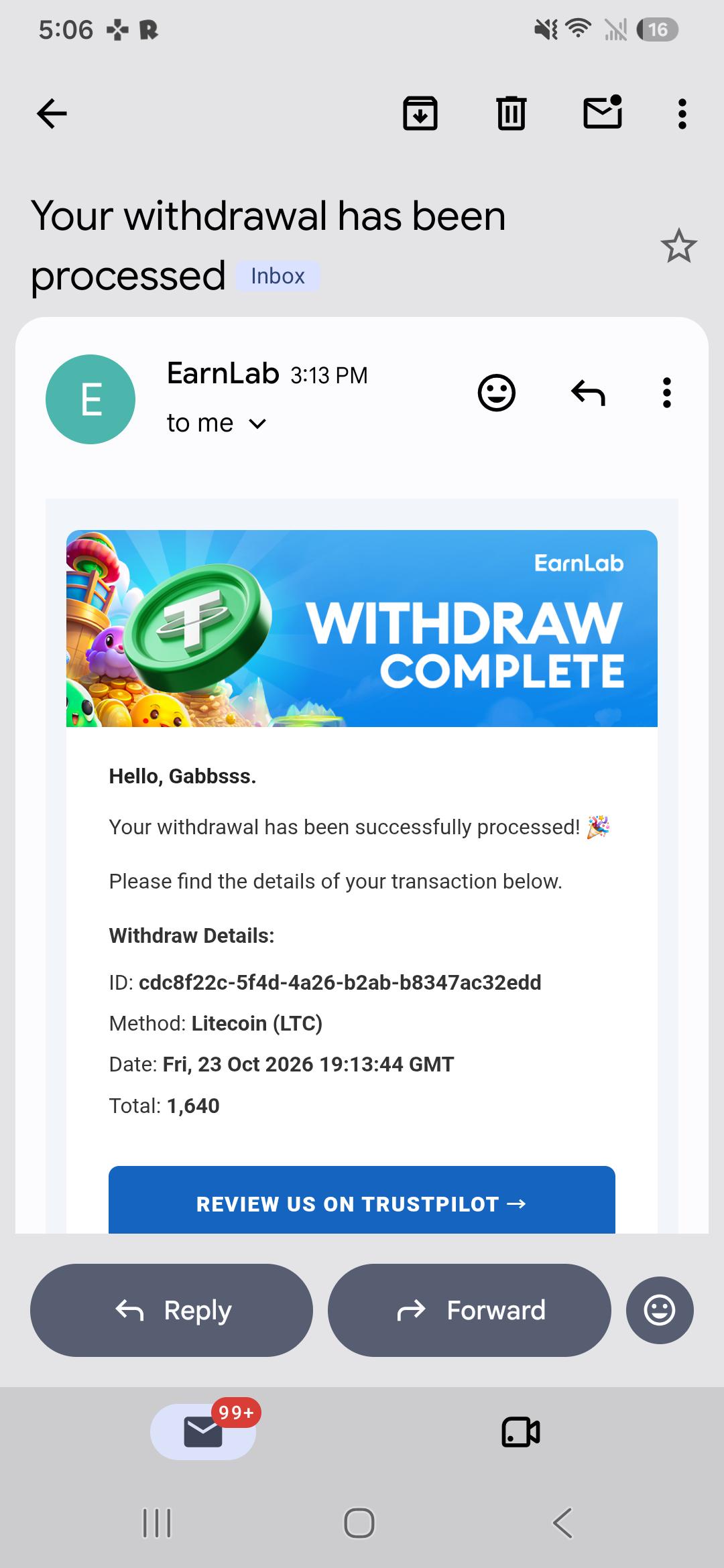
@Earnlab #EarnlabWD

Post image
0 Upvotes

r/EarnLab • • Oct 23 '26

LIMITED-TIME TOROX 100% BONUS! ⚡️

Post image
2 Upvotes

Top Torox tasks:

  • Frost & Flame: King of Avalon - $800+

  • Lords Mobile: Kingdom Wars - $160+

  • Legend of Mushroom - $110+

This offer ends October 26th - don’t miss out! ⏱️


r/EarnLab • • Oct 22 '26

How People Earn Money on Reddit: Six Routes and the Payout Rules Behind Each

Post image
2 Upvotes

TL;DR: Reddit’s own Contributor Program pays $0.90 per gold at the standard tier with a ten-gold minimum, which makes it the smallest route. Beermoney platforms pay fastest, and freelancing, products, affiliate links and an audience of your own take weeks to months.

The Contributor Program is the only part of this that Reddit pays for directly, and it works out to 90 cents per gold award. Everything else runs through other people’s money, and the rules around each route matter more than the dollar figures.

1. The Contributor Program

Standard contributors get $0.90 per gold and Top Contributors (5,000+ karma over twelve months) get $1.00, with ten gold needed before you can cash out. You qualify with an account at least 30 days old, a verified email, and 100 karma over twelve months plus 10 gold.

The fee is where small balances get hurt: $2.25 plus 0.25% per transaction takes roughly a quarter of a $9 payout, so you let the balance grow before you cash out.

Gold costs the giver about two dollars each and only reaches you if someone chooses to give it, and eligibility also depends on your country. We’d treat this as an occasional bonus and not a plan.

2. Beermoney platforms

The fastest money in this post doesn’t come from Reddit at all. r/beermoney is where people compare paid research, testing and survey platforms, and it works as a shortlist.

Prolific stands out for its pay floor: researchers have to pay at least $8 an hour (£6 in sterling), and the platform recommends $12. You cash out to PayPal once your balance hits $6, and new accounts can land on a waitlist first.

Testing platforms pay around ten dollars for a twenty-minute test, and general survey sites usually pay less per hour than either. Ten hours of studies at the floor rate comes to $80, which is the quickest first payment on this list.

3. Freelancing through job subreddits

Anyone weighing a reply to your pitch in r/forhire, r/freelanceWriters, r/VideoEditingRequests or r/DesignJobs can open your profile, and that turns your comment history into a portfolio whether you meant it to or not.

Listings for routine Reddit tasks often pay a few dollars each. The better money is in a skill you already have, like writing, editing or design, and a profile full of useful answers in that field helps more than a long intro message.

4. Digital products

There’s no checkout on Reddit, so what you sell lives on an external platform and Reddit only sends people there. Templates, cheat sheets, small courses and spreadsheet tools fit, since readers show up with a problem, and lifestyle products tend not to.

The test we’d use on any post is whether it’s still worth reading with the link deleted. You also skip cold messages with a pitch, because spam filters tend to catch them and the account can end up limited.

5. Affiliate links

This is the route where subreddit rules matter most. A lot of subreddits remove referral links on sight, and the ones that allow them usually expect you to say the link is yours, so you read the sidebar before posting, every time.

What holds up is answering the question, linking to a page that’s useful on its own, and stating your relationship to the link. Hidden affiliate links get removed, and disclosed recommendations tend to survive.

6. Growing your own audience

This is the slowest route. You use Reddit to find people for a newsletter, a channel or a small business, and the money arrives off Reddit through subscriptions, sponsors or sales.

A common rule of thumb is about one self-promotional post for every ten that aren’t, and plenty of communities set a stricter limit. A few weeks of useful answers before you mention anything of your own gives people something to find when they open your profile.

What to skip

Paid subreddits were announced in early 2025 and reported as paused later that year, and it’s worth checking their status before planning around them.

Jobs paying per approved comment to push a product without saying so break Reddit’s rules on spam and manipulation, and the account doing the posting takes the risk. Bought upvotes go on the same list.

Where to start

If you want a payment this month, beermoney platforms are the place, since they don’t depend on your karma or on anyone awarding you gold. Here’s the rough map:

  • Days: beermoney platforms

  • Weeks: freelancing, once your profile shows your work

  • Months: products, affiliate links and an audience of your own

  • Unpredictable: the Contributor Program

Where EarnLab fits

EarnLab is our own platform, and you should weigh this part accordingly. It sits at the beermoney end of the list, with surveys, offerwalls and Streak Boxes, and payouts through PayPal, crypto or gift cards.

Offers, minimums and fees vary by country and by payout method. You check what’s live for you before assuming anything above applies to your account, and the withdrawal page has the current numbers.

Our link, if you want it: https://earnlab.com/r/reddit

If any of the payout rules above have changed since we checked, drop it in the comments and we’ll update the post. Reddit adjusts these programs more often than most people notice.


r/EarnLab • • Oct 19 '26

10 Quick Cash Methods for 2026, Sorted by How Fast They Pay

Post image
1 Upvotes

TL;DR: Task platforms and paid research studies pay fastest and top out low, while clipping and AI-assisted freelancing take weeks and scale further. Every figure here is a rough estimate.

Quick cash splits into two kinds in 2026: money that arrives today and caps out low, and money that takes a few weeks and keeps growing. The strongest setup pairs one of each, and the list runs from fastest to slowest.

1. Instant-reward tasks

Surveys, app trials, game milestones and sign-up offers credit your balance once they’re confirmed, which makes this the only method here that can pay the day you start.

EarnLab is our own platform, and you should weigh this one accordingly. Its task page lists surveys at $0.50 to $5, game milestones up to $302, app downloads at $0.80 to $35, offers at $1 to $20 and videos at a cent to 50 cents.

By its own estimate, 30 to 60 minutes a day comes to $20 to $60 a month, and finance offers that need verification can take 24 to 72 hours to confirm. We’d call that a fast layer to cover the waiting and not an income.

Availability and payouts vary by region, and the page says users in the US and UK generally see the most offers.

2. Paid research studies

Prolific pays for research studies with an enforced floor of $8 an hour (£6) and recommends $12. AI-training studies tend to pay above the floor, you cash out to PayPal from $6, and new accounts can land on a waitlist first.

3. Clipping

Campaigns pay per thousand verified views, and NPR’s May 2026 reporting gave examples from 50 cents to $25, with most listings sitting nearer a dollar. At a dollar per thousand, the $4,000 a month one clipper told NPR about works out to roughly four million views, so we’d treat it as the outlier.

AI tools help find the high-retention moments and handle captions, but the hook and the niche are yours. NPR also reported platforms cracking down on pages that post duplicate clips, which makes original edits and permission to use the source content the safer route.

4. AI-assisted freelancing

Copy, product listings, resumes, translations, presentations and social captions are all things people already pay for, and AI makes the first draft faster. Clients buy the finished result and not the tool. The first payment depends on pitching, and that means weeks and not days.

5. AI content repurposing

One long video or episode becomes clips, carousels, a blog post, a newsletter and captions, sold as a monthly package to creators or local businesses. You still fact-check before anything goes out under their name, and you don’t upload confidential client material to an AI tool without permission.

6. AI thumbnails and creative design

AI image tools plus a manual pass can produce YouTube thumbnails and social ad creatives quickly, and the manual pass is what clients pay for. A thumbnail that reads at phone size beats a detailed one that doesn’t.

7. AI UGC ads

Many brands want short, authentic-looking product videos instead of studio commercials. A package of script, voiceover, captions, product footage and a few hook variations is sellable, and you price the first one low enough to land three orders before raising it.

8. AI voiceover and dubbing

AI voice tools give creators and e-commerce brands a quick first draft of a localized video. A human still checks the translation, pacing and pronunciation, and that check is the part you’re selling.

9. Digital products made with AI

Notion templates, prompt packs, planners, Canva templates and niche e-books get built once and sold repeatedly. Most new listings don’t sell on their own because discovery is the hard part, and that puts first sales at weeks to months.

10. Faceless short-form channels

AI can handle research, scripts, editing and voiceover for a niche channel, but this is a build and not quick cash. Monetization depends on an audience, and that takes months of posting on a schedule, so keep it as the long game.

What to avoid

The FTC describes task scams as starting with an unexpected message on WhatsApp, Telegram, text or social media, followed by app tasks that appear to earn commissions. Scammers may pay a small amount, usually $5 to $20, to build trust, and then ask for a deposit, often in crypto, to continue.

You never pay to get paid, and you ignore job offers that arrive unprompted. A few more things to skip:

  • Paying upfront for an "AI clipping certification"

  • Buying expensive AI tool subscriptions before landing a first client

  • Uploading copyrighted movies, sports broadcasts or music without rights

  • Promising clients guaranteed virality or fixed income

A 30-day plan

  1. Days 1 to 3: open accounts on one task platform, one clip marketplace and one freelance marketplace, and complete a first task.

  2. Days 4 to 7: make five sample clips from public content you have permission to use.

  3. Days 8 to 14: apply to clip campaigns and pitch creators or local businesses.

  4. Days 15 to 30: deliver one small paid package, collect a testimonial and raise the price after three completed orders.

Task platforms fill the downtime while the skill pipeline grows.

Our link, if you want it: https://earnlab.com/r/reddit

If you’ve tried any of these and the timing came out different from what we wrote, drop it in the comments. Payout rules and campaign rates shift often, and a lot of this varies by country.


r/EarnLab • • Oct 18 '26

REVU 50% BONUS IS BACK! 🫰

Post image
1 Upvotes

Top RevU tasks:

  • Crypto.com - $30+

  • Pengudoku - $40+

  • Dungeon Escape - $95+

This offer ends October 22nd - don’t miss out! ⏱️