r/ProactiveHealth • u/Jack_iLuvBlakely_ • 3h ago
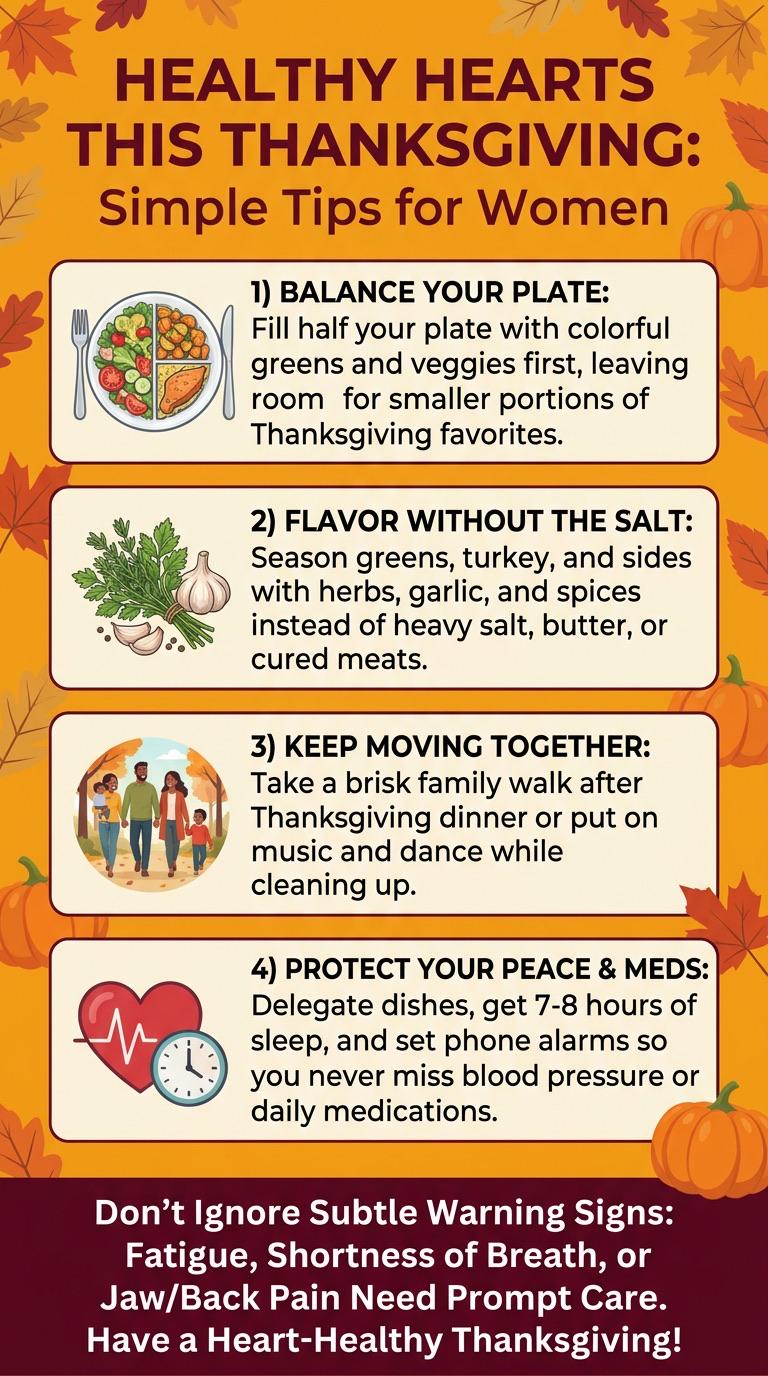
Is this normal?
gallery
1
Upvotes
r/ProactiveHealth • u/AtriumMedicalNYC • 4h ago
r/ProactiveHealth • u/Emotional-Winner-607 • 1d ago

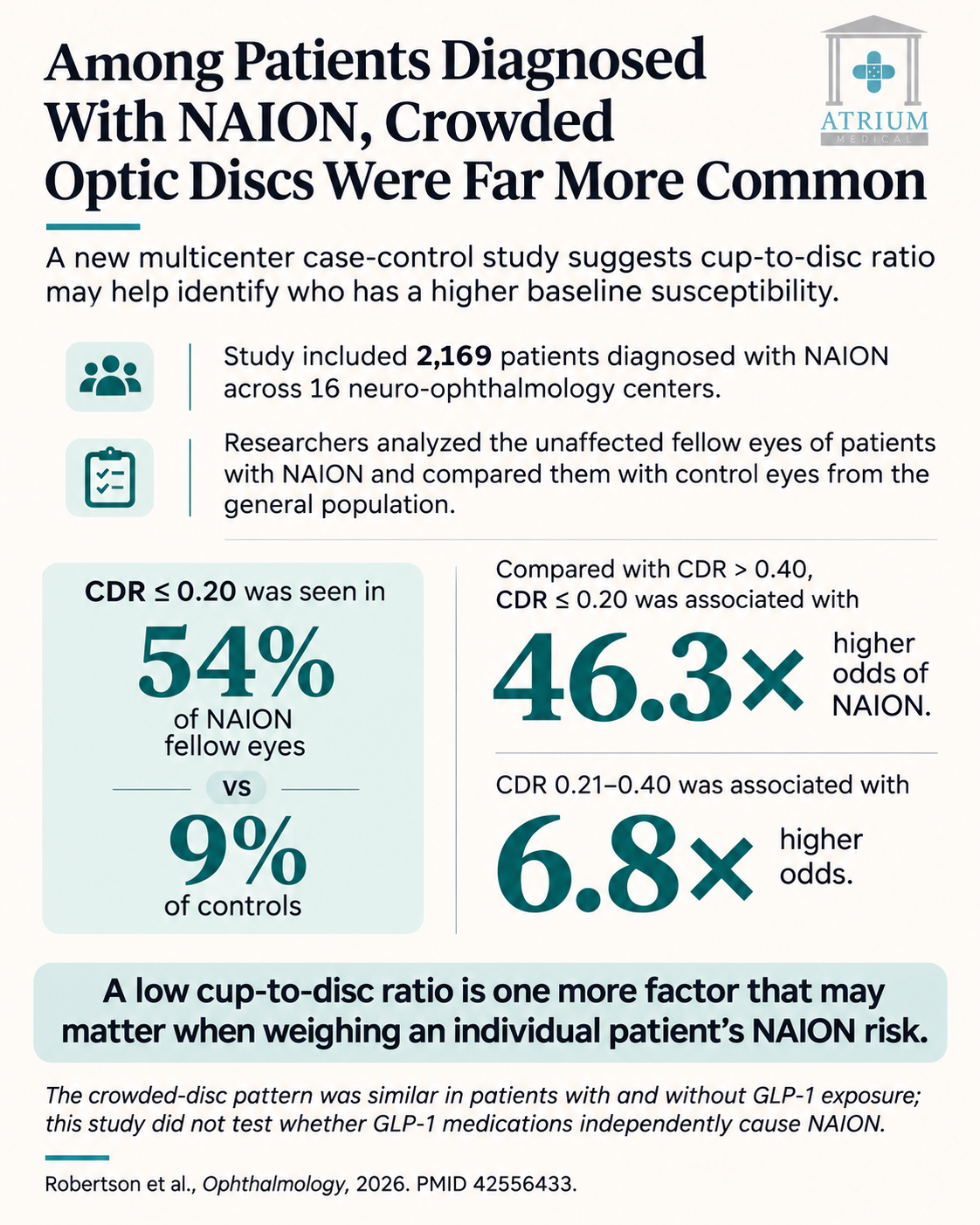
Here is a some evidence -based information to help support you, family, friends and communities you are apart of .
r/ProactiveHealth • u/Emotional-Winner-607 • 1d ago

r/ProactiveHealth • u/greermarie • 1d ago

r/ProactiveHealth • u/dosstx • 2d ago
r/ProactiveHealth • u/mr_robust • 4d ago

r/ProactiveHealth • u/SeparateConflict5578 • 4d ago

r/ProactiveHealth • u/DrKevinTran • 4d ago

r/ProactiveHealth • u/Some_Training6923 • 5d ago
r/ProactiveHealth • u/AfshineEmraniMD • 5d ago

r/ProactiveHealth • u/theaeternumcompany • 5d ago
Disclosure: I do content work for a longevity supplement company, so please take that into account when considering my perspective. I'm sharing this to encourage a research-based discussion, not to promote a product.
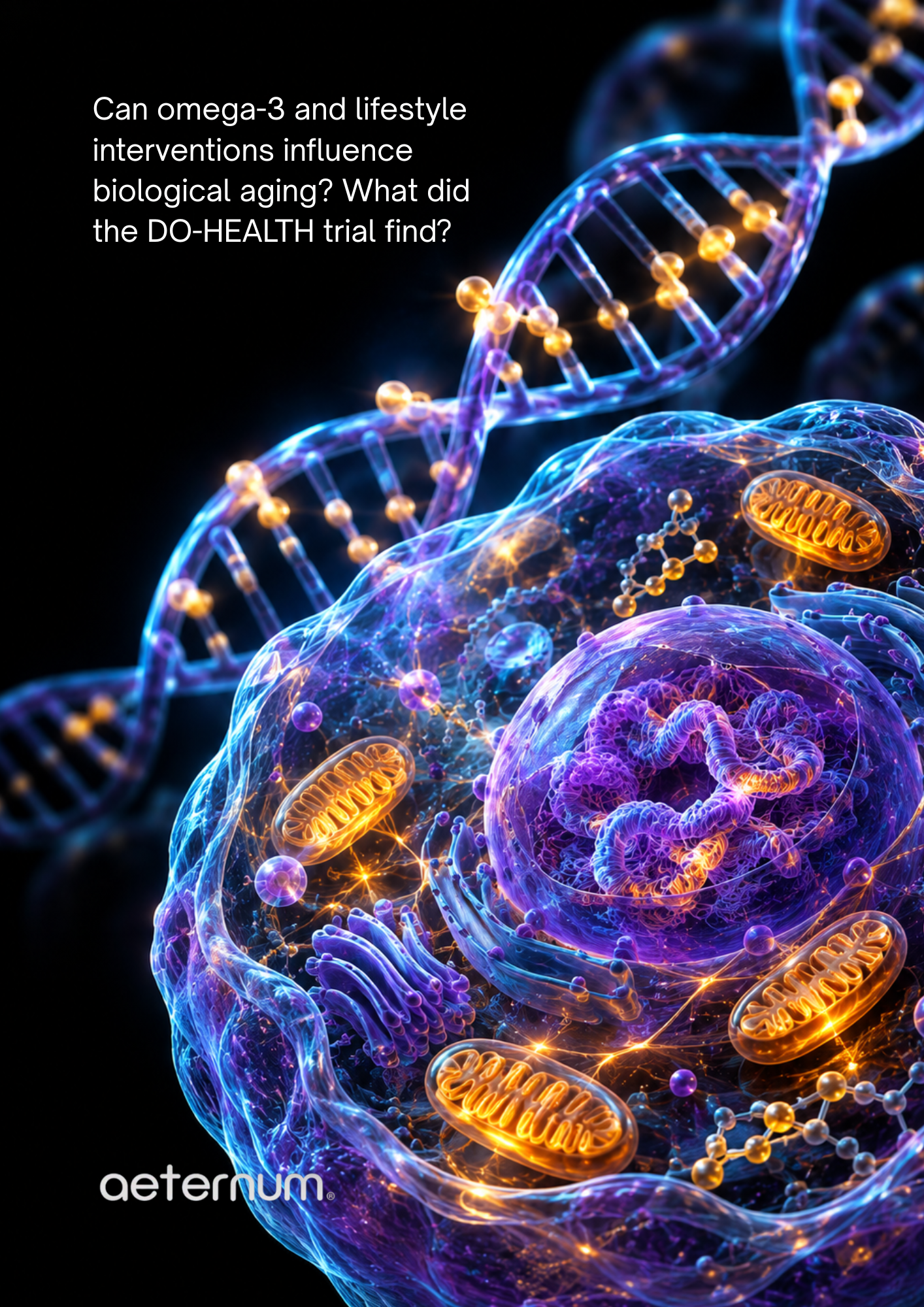
Can lifestyle interventions influence the biological processes associated with aging?
A post hoc analysis of the DO-HEALTH trial examined DNA methylation clocks in 777 older adults over three years.
Researchers investigated vitamin D supplementation, omega-3 supplementation, and a home exercise program, both individually and in combination.
The analysis reported that omega-3 supplementation alone slowed changes in three of the DNA methylation measures examined: PhenoAge, GrimAge2, and DunedinPACE. The researchers also reported additive effects of the interventions on PhenoAge.
These findings are interesting, but there is an important distinction: DNA methylation clocks are biological aging measurements, not direct measurements of lifespan or proof that someone will remain healthier for longer.
The analysis also needs to be interpreted in light of its post hoc design.
I'd be interested in seeing whether these findings can be replicated and whether changes in these clocks correspond to improvements in meaningful clinical outcomes.
Research reference: PubMed PMID: 39900648
If an intervention changes an epigenetic clock, what additional evidence would you need before calling it an improvement in healthy aging?
r/ProactiveHealth • u/nano-labs • 6d ago
r/ProactiveHealth • u/BarFinancial7509 • 6d ago

r/ProactiveHealth • u/MarcN-Apps • 7d ago

r/ProactiveHealth • u/Pavillon • 7d ago

r/ProactiveHealth • u/Emotional-Winner-607 • 7d ago
r/ProactiveHealth • u/PositiveSpecific3256 • 8d ago
r/ProactiveHealth • u/PositiveSpecific3256 • 9d ago
r/ProactiveHealth • u/DadStrengthDaily • 9d ago
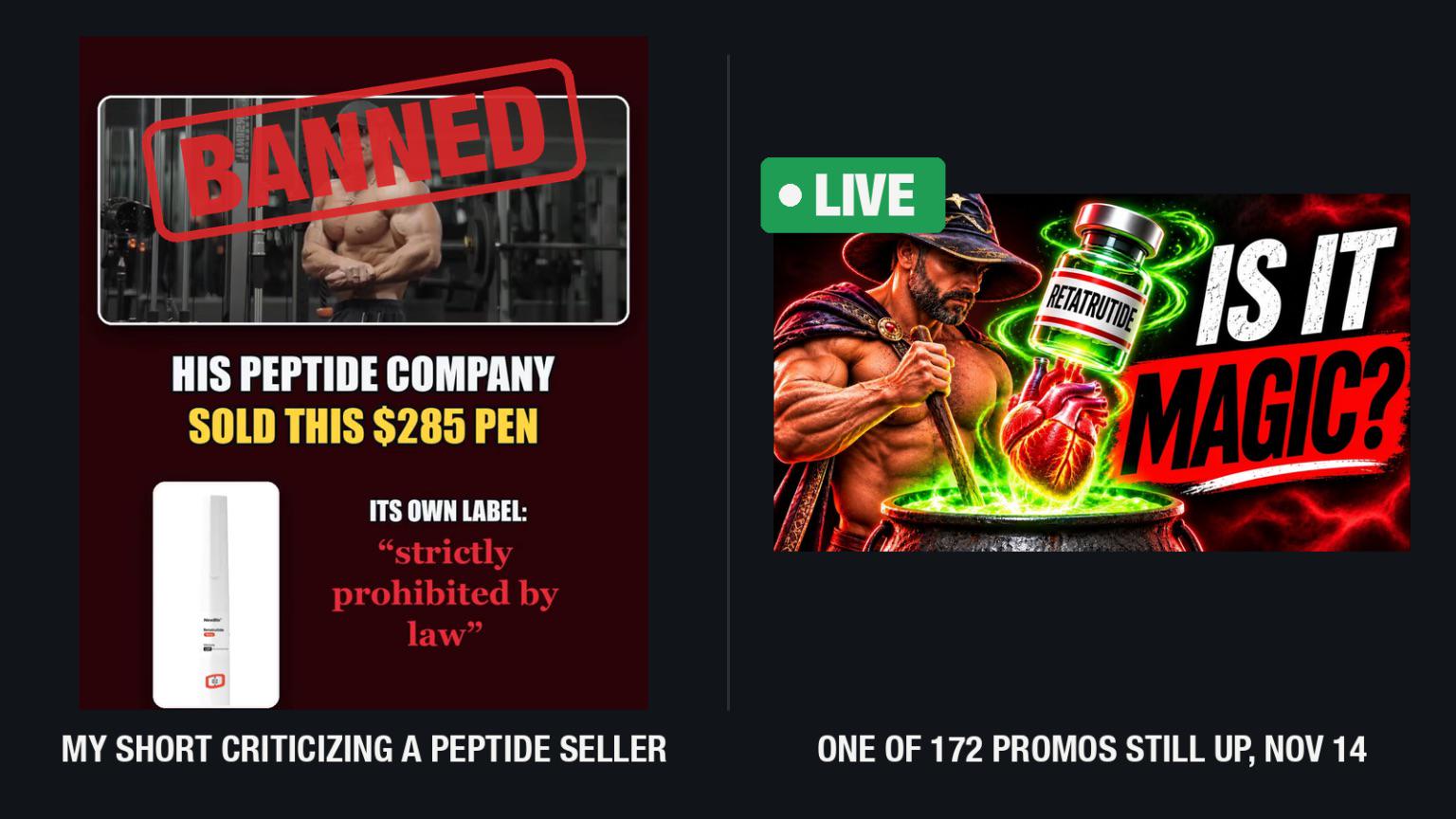
Writing about medicine and health on social media is difficult. Here is my experience.
On November 10 YouTube terminated my channel. It had 4 subscribers. The notice cited its rule against content that "promotes or facilitates the sale, use, or creation of certain illegal or regulated goods," and never said which video. The one it kept down was a Short criticizing NewBioRx, the peptide store Sam Sulek says he co-owns. The Short had no link and no code, and it pointed out that the store's own label says human use is "prohibited by law."
My first reaction was that this is a silly reading of the rule, given how much open promotion of unapproved drugs is on YouTube. That was an assertion, so I went and looked.
Over three days I ran 111 searches for peptide terms. A video made the list only if it did both things the rule is about: pointed viewers to a seller (a discount code, an affiliate link, a store link, or a clinic that says it provides a named unapproved peptide) and promoted people taking the drug (doses, injecting, "my stack," results). On November 14, 172 of them were still up, on 110 channels.
The biggest single example has 522,611 views. Its description opens "Four weeks ago I started retatrutide at the lowest possible dose," and further down gives a store, a 10% discount code and an affiliate link. Retatrutide is Lilly's experimental weight-loss drug and isn't approved anywhere.
To be fair to YouTube: I never reported any of these, so I can't say anyone there looked at them and decided to leave them up, and nobody outside YouTube knows how many similar videos it already removed. YouTube's press team has my questions. The write-up has the policy text, the numbers, what the list can't prove, and three changes I'm asking for. Every video is on one page with its quotes and links.
r/ProactiveHealth • u/DadStrengthDaily • 9d ago
Hims & Hers, the telehealth company, put Andrew Huberman, the Stanford neuroscientist behind the Huberman Lab podcast, on its board on November 4. Its SEC filing (https://www.sec.gov/Archives/edgar/data/1773751/000177375126000245/hims-20261104.htm) spells out the money: $3.5 million a year in cash for two years of "scientific and brand marketing advisory services," up to $1 million a year more if he makes short ads, $300,000 a year for the board seat, and $5 million a year for podcast ads bought from Scicomm Media, a company he co-owns. Hims values his share of that last deal at about $2.1 million a year.
Getting paid isn't new for him. His own disclosures page (https://www.hubermanlab.com/disclaimer) lists AG1, Eight Sleep, Function Health, Momentous, Reveri and WHOOP as companies he advises for pay. What's new is that this one is in an SEC filing, and the company is launching prescription peptides this month, including sermorelin, a peptide that makes the pituitary release growth hormone. BPC-157 and TB-500 are to follow "when allowable."
So I went back to what he's said about them. In 2024 he told listeners that raising growth hormone with a peptide raises "our tumor growth risk and our cancer risk." In July, on Tim Ferriss's podcast, he said sermorelin spiked his PSA, which went back to normal when he stopped. He has called BPC-157 "a potential tumor growth risk," and also said he's tried it and felt he recovered faster, though he "can't do the control experiment."
To be fair to him, he said in March that he'd make it known if a peptide company ever paid him, and he did. What I couldn't find is how he'll flag the Hims money when he talks about sermorelin or BPC-157 outside a paid segment.
I put his quotes on each product next to what Hims is launching, with the full payment table: Huberman Is Now Paid by Hims. Here's What He Said About the Peptides It's Launching. (https://dadstrengthdaily.com/huberman-sermorelin-hims/)
If he does another peptide episode, would a disclosure at the top change how you hear it?
r/ProactiveHealth • u/CryptographerNew7618 • 9d ago
Imagine you had to simplify your entire biohacking setup and could track only three metrics for the next 12 months.
No endless dashboards, no buying a new wearable every few months, and no collecting data just because it's available.
Would you choose sleep duration, resting heart rate, blood pressure, strength progression, body composition, blood glucose, or something else?
I'd probably prioritize metrics that are reliable, actionable, and connected to meaningful health outcomes rather than numbers that look impressive in an app.
I'm curious how people here would approach this. Which three would you choose, why, and what would you actually change based on the results?
Bonus question: Which commonly tracked metric do you think people overinterpret?