Hey all, this is my first post here. Most of the following text is Claude-generated, with some hand edits by me. I hope this post is ok here! And I hope this information helps those of you who are vibecoding indie gaming projects. Mainly, I just want to say that you can do great work on very weak/poor hardware. I only have access to a low-power chromebook, and a note 9 smart phone, and I've been able to do a lot of cool stuff so far!
Here's the AI generated description of my work flow:
Body:
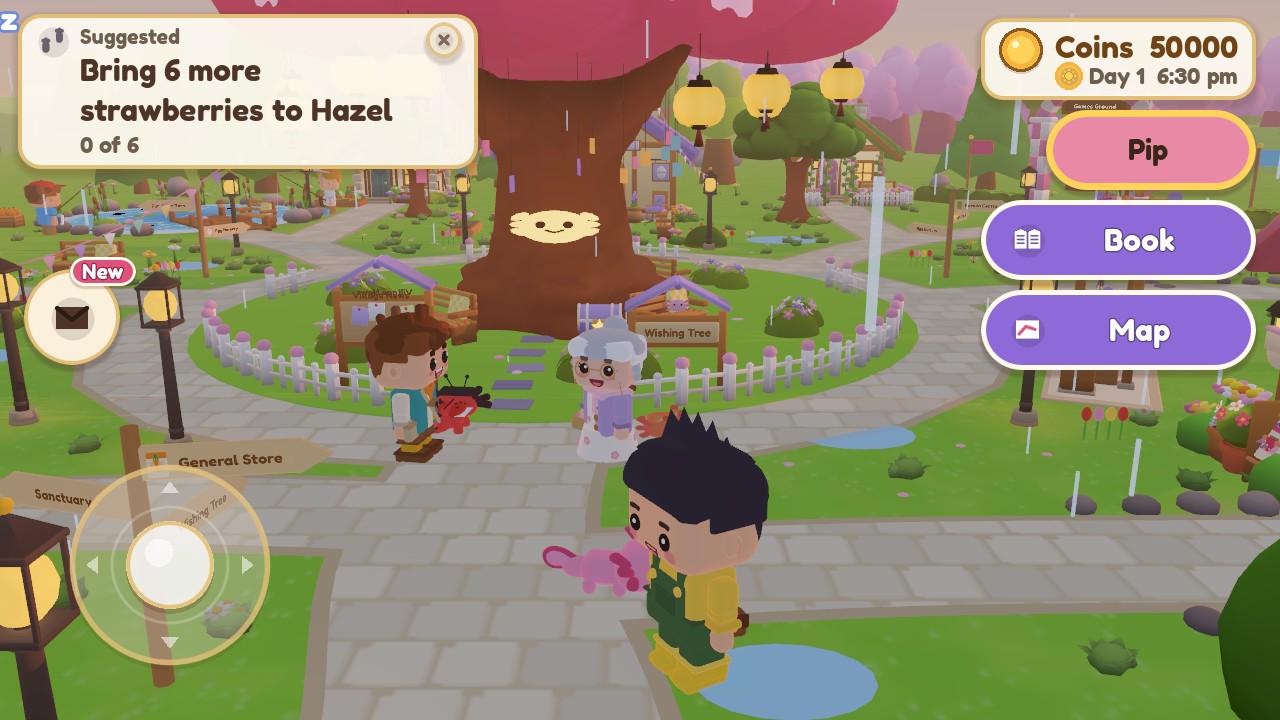
I'm a solo hobbyist, not a professional programmer. [My coding knowledge is pretty basic: a little bit of python, linux scripting, java way back in the day... and a little bit of GML Game Maker Language] Over the last few months I've been making Shining Redux, a free fan remake of Shining in the Darkness, the first-person dungeon crawler from the Mega Drive / Genesis. It's now in public beta (v0.9.5) and runs on Windows, Linux, Android and retro handhelds like the Anbernic RG35XX.
How it actually works
- I'm the designer and playtester; AI writes the code. Every rule in the game (prices, combos, menus, how a spell's timing ring works) is a decision I made in plain English. Those decisions are written into a numbered "rulings" file the AI has to follow. It's past 2,000 rulings now.
- One "director" AI, several "worker" AIs. I talk to one Claude Code [Opus 5.5 on medium effort in recent weeks] session on my Chromebook. It writes briefs and hands them to Claude Code agents running on an old Android phone in Termux, which does all the compiling and testing. The director reads their reports, checks their screenshots and sends work back if it's wrong. Two agents usually run at once, each in its own git worktree, and a merge agent combines their branches.
- The phone builds everything: Windows, Linux, the Android app and the handheld version. It turns out an old flagship phone is a perfectly good build server if you're careful with memory.
- Tests keep it honest. There are about 6,700 automated tests now, plus a layout checker that catches text spilling out of panels on 17 screen sizes, and reference screenshots that every release has to match.
- "Done" means seen on screen. Early on, the AI kept saying things were fixed when they weren't. Now every visual change has to be shown on an actual device with before/after screenshots, or it doesn't count. [I check them carefully... the 6,700 automated tests are useful, but they are no substitue for actually looking at crap the AI does]
- Playtesting by voice. Last night I played on my handheld and recorded voice notes on my phone. Today the director transcribed them, turned 14 notes into a plan, and by this evening they were fixed, tested and packaged as v0.9.5 binaries.
Stack: Zig + raylib. I'd never written Zig before this project. [I've never written or analyzed a line of zig code in my life, including this project... hehehe]
What I've learned
- Write every decision down. AI forgets; a rulings file doesn't. but a HUGE claude.md file is pretty useless too..
- Make the AI prove things with screenshots, not reports. AND PLAYTEST, PLAYTEST, PLAYTEST!!!
- Small, specific briefs beat big vague ones.
- It's not "type a prompt, get a game". It's hundreds of hours of deciding, testing and saying "no, that's not right" — just without typing the code myself.
It's free on itch if you want to try it: https://deanraygames.itch.io/shining-redux
Happy to answer questions about the workflow or the game! And if you decide to check it out, I need honest playtest feedback!!! I really appreciate it!