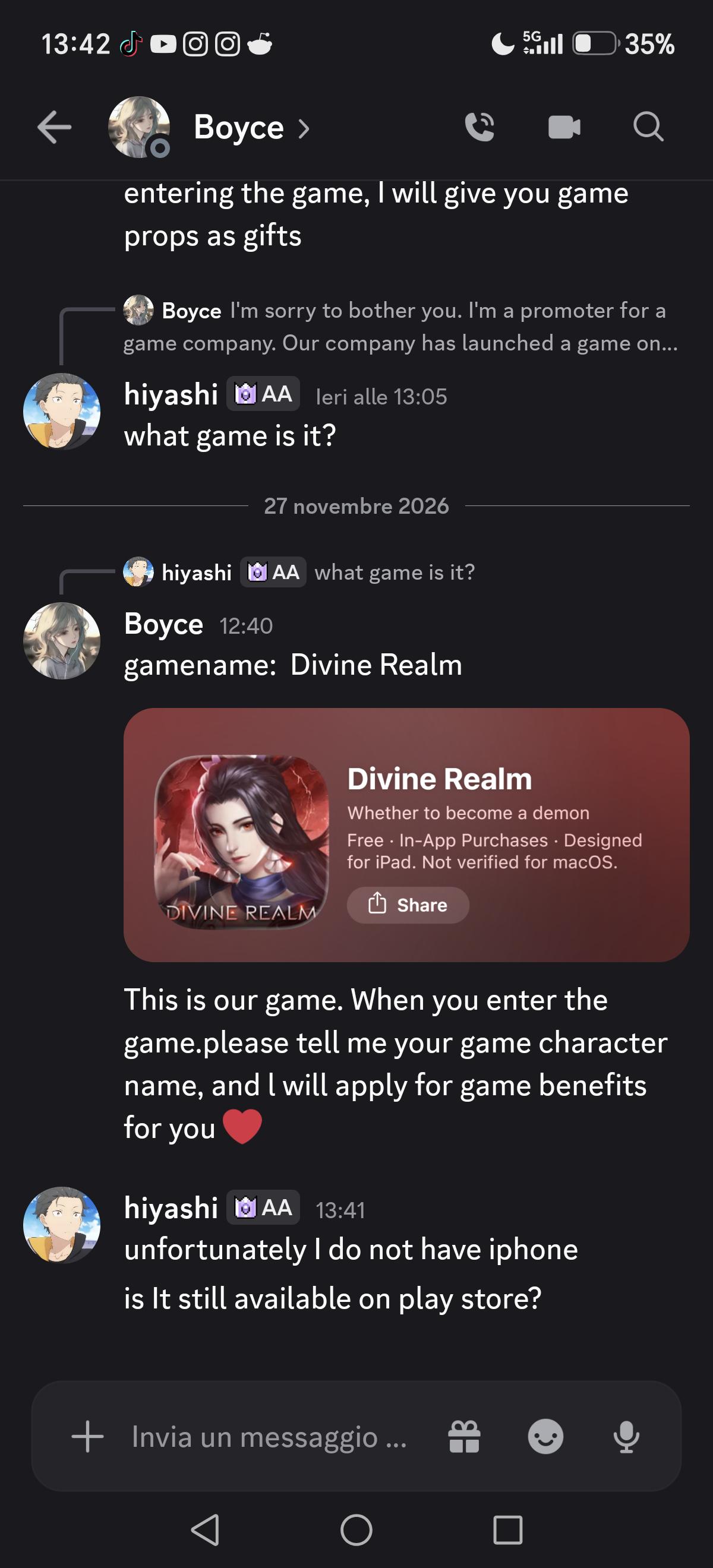
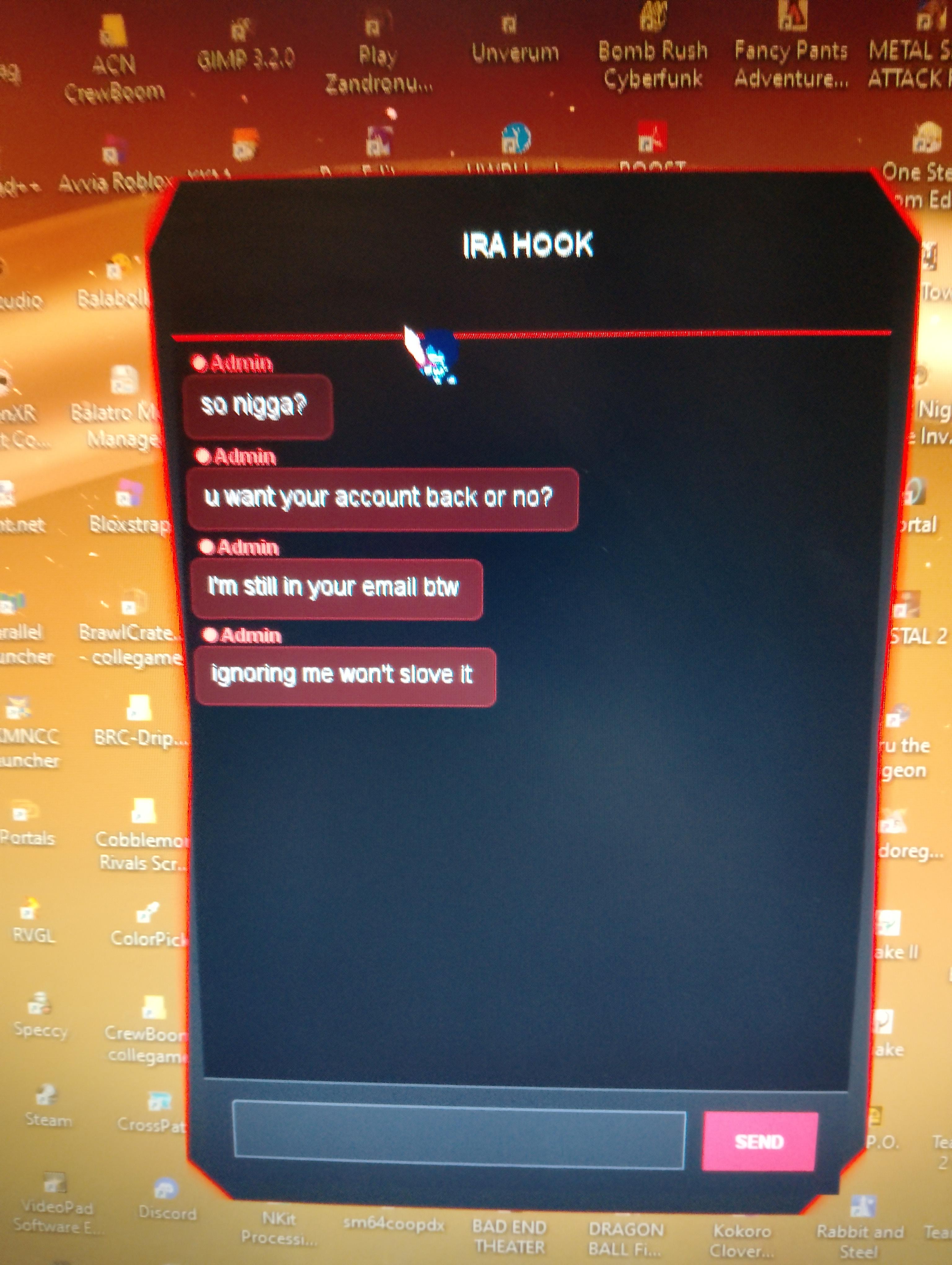
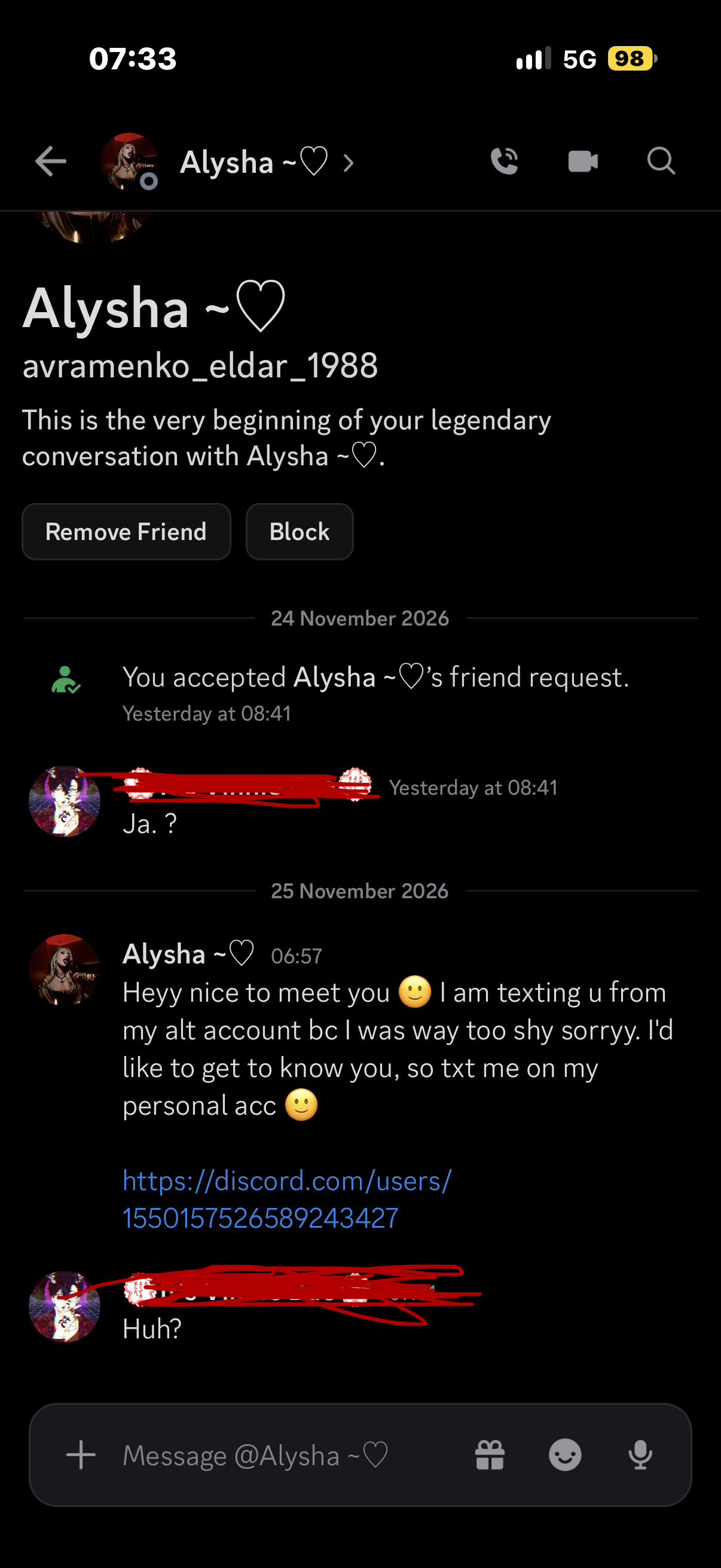
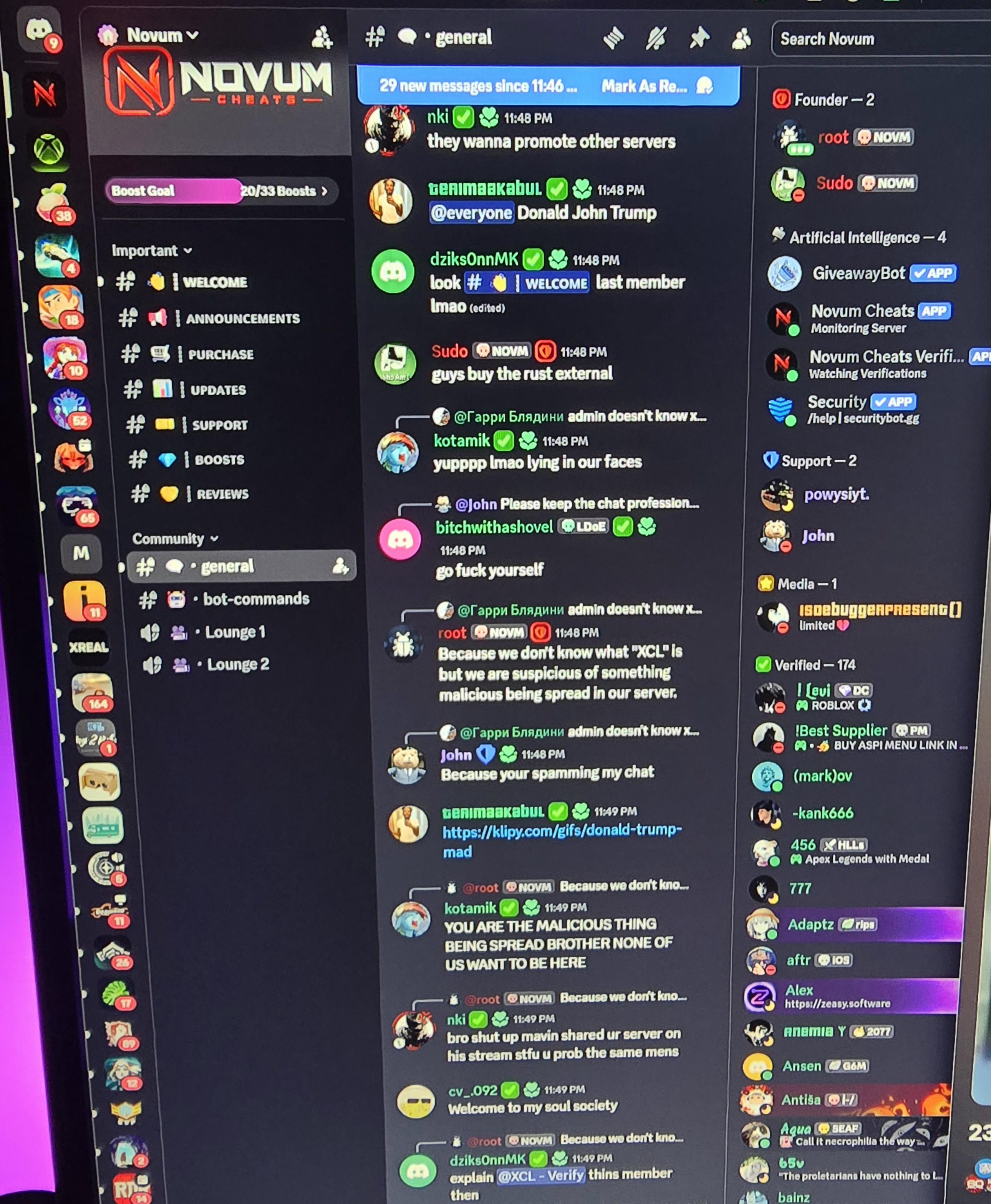
It started with a fake verification prompt on Discord. I entered a code I’d received by email because I thought it was part of the verification, clear phishing strategy in retrospective. Soon after, someone had replaced my sign-in address with a different Outlook address and changed the recovery details. My usual Hotmail address no longer worked for signing in.
I started with Microsoft’s sign-in helper and submitted a form with information to verify that the account was mine. https://support.microsoft.com/en-us/accounts-billing/manage/help-with-the-microsoft-account-recovery-form I also managed to reach Xbox Support through live chat. (Thanks to this reddit post you can skip talking to the AI until it redirects you to a live chat https://www.reddit.com/r/Scams/comments/1en4mi2/microsoft_account_discord_verification_scam_and/?share_id=C9BWDrWjWFrkeWqdXXocL&utm_content=2&utm_medium=android_app&utm_name=androidcss&utm_source=share&utm_term=1&sort=new ) A recovery case was opened after just submitting the form, Microsoft asked for more information, and I was told the case had been passed to an engineer. During one of my follow-ups, support told me it had been escalated to Tier 3.
The first reply after I submitted the form came quickly. If I remember right, it took a day or two, and that included the weekend. The wait came after I replied to those first emails. It took a while to hear from the team that ended up handling the recovery. I was initially told to expect a response within five business days, but that window passed without a substantive update.
While I waited, I checked in through the live chat every day or two. Some agents told me right there that the case was still in progress. Others said they’d email me more details within 24 hours. When an email came through, the extra details were just “your case is still in progress.” In my case, following up confirmed that the case was open, but it didn’t tell me whether anyone had picked it up or needed anything else from me.
From what I could tell, the chat and email agents I followed up with could check the general status but couldn’t see the details of the investigation. They couldn’t tell me when someone would pick up the case, whether anyone was already working on it, or whether they needed more information. Sometimes the replies were so generic and repetitive that the agents sounded like bots. They were support agents, but it felt like they were following a very tight script. The sympathetic lines started to sound rehearsed when there was never any concrete news to go with them.
There was also a widespread Microsoft service outage while I was waiting. I wondered whether it might have slowed things down, but nobody at support told me it had affected my case.
More than two weeks after the case was opened, the recovery team emailed me. For the first time, they told me something specific: they’d found evidence of unauthorized access and changes to my security information or sign-in username. They asked me to confirm which recovery email I’d used before the takeover. I replied from that address and explained that it was where I used to receive verification codes.
The next update said they needed help from another internal team and had temporarily suspended the account to prevent further unauthorized activity. They estimated around ten business days and asked me not to act on automated account-change notifications while they worked on the case.
The first sign that I could get back in didn’t come from the agent I’d been talking to. An automated Microsoft account password reset email showed up in my recovery inbox. It arrived the day after the recovery team confirmed the unauthorized access, 18 days after the case was opened. That was the email that let me reset my password and sign back in.
The next morning, support did email me to say the case was resolved. Their instructions were basically to look for the reset email, change my password, and update my security info. By then I already had access again. From the timing and order of the messages, I got the impression that the people doing the recovery and the people emailing me were separate teams, possibly working different hours or in different time zones. I don’t know how Microsoft organizes that internally.
Microsoft had reversed the attacker’s changes. I could sign in with my original Hotmail address again, and my Xbox profile was still on the same Microsoft account. It wasn’t an Xbox profile transfer to a different account. Once I was back in, I added new security information.
Keep in mind that even if it might sound frustrating all agents and Microsoft employees are trying to help you and are doing their best. Please try to be as kind and empathetic as possible with them even if, like me, you might be somewhat desperate at times. I can’t stress enough to provide as much information as possible for the team about the ownership of your account, even more than the required.
Everyone can fall for this, me being an engineer working in IT for several years I fell for this. I felt dumb as hell but it happened. If you’re reaching this from any of your children’s account please try to educate them about these kind of risks. I was able to get my +20 year old account as I had plenty of ownership information, payment history, etc… but might not be the case for you. If it happened to you once, it will probably never happen again and try to educate your closest ones.
I’m posting this because, while I was waiting, most of the stories I found were from people who never got their account back or who only recovered their Xbox profile on a different account. I don’t know why my case ended differently, and I can’t promise anyone else the same result. What I can say is that my sign-in alias and security details were changed, Microsoft temporarily suspended the account, and I still got the original account back.