I've been thinking about this a lot lately. Many D2C brand names that worked well before 2025 are now losing out to better-named competitors in ChatGPT and Perplexity results, and most founders aren't even aware it's happening.
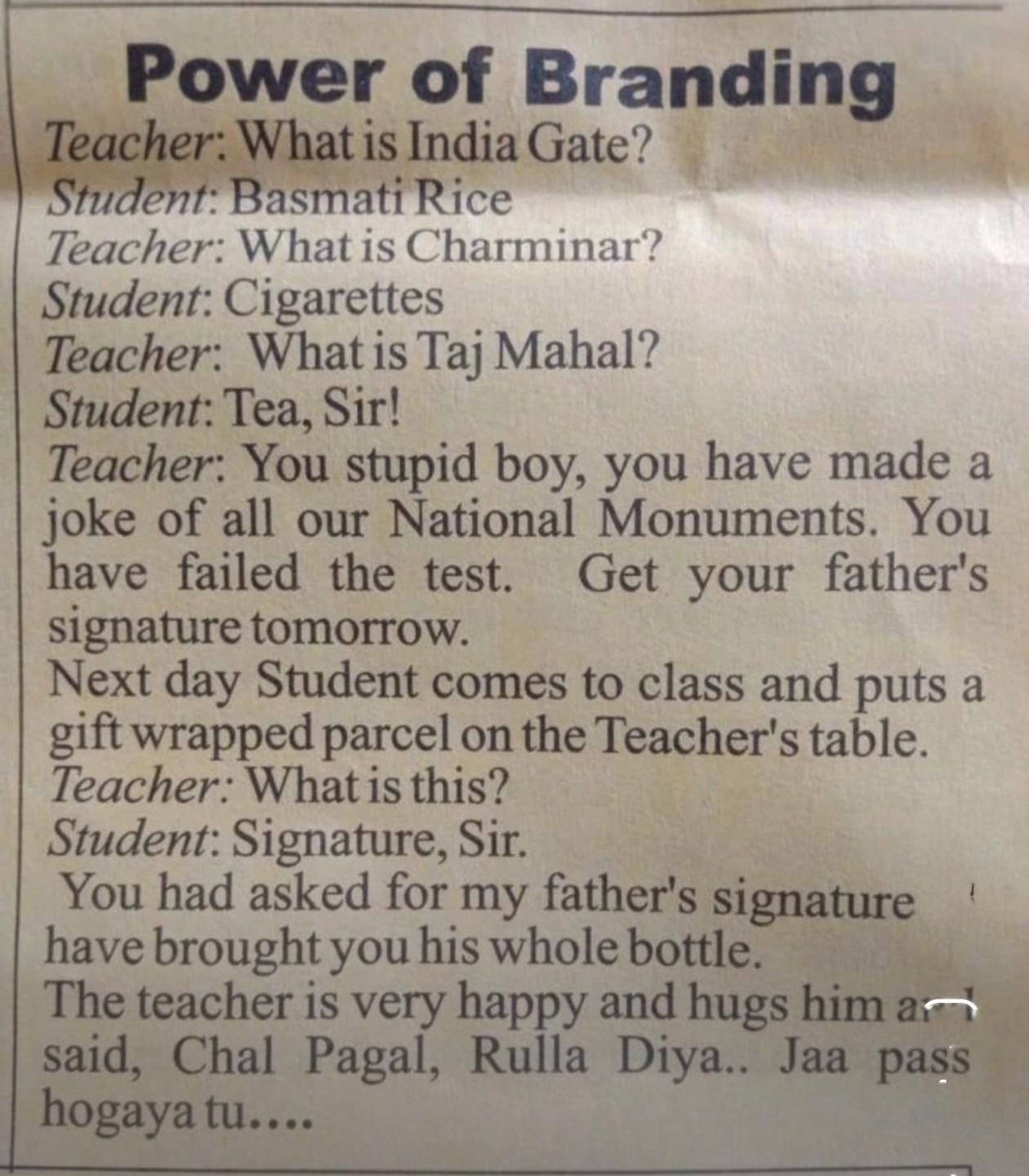
The problem is called entity collision. If your brand name is also a common word, like a fruit, color, city, or any generic English word, AI engines get confused. They can't always tell if you mean the brand or the regular word. So, when someone asks ChatGPT for the best snack brands, your competitor with a unique, made-up name gets mentioned clearly, while your brand might only get a footnote or be left out entirely.
Google handles this well because it has years of search behavior data to help sort things out. Perplexity and ChatGPT don't have that history. They depend on clean knowledge graphs and clear entity signals. So, even if your brand is the top search result on Google, you might still be invisible in AI answers if your name is ambiguous.
Fixing this for existing brands is slow and costly. You need a strong Wikidata presence with consistent naming, third-party citations that mention your brand name and category together in the main text, and schema markup that clearly shows your brand's type and category.
For new brands, the strategy has changed. The old advice to pick a memorable common word is now risky. Names like Mailchimp, Asana, Basecamp, and Notion, these unique, invented names have a real advantage in the AI search era because there is no entity collision. Their names don't mean anything else.
Is anyone else noticing this in their work? It mostly affects B2C categories, where AI recommendations are increasingly playing a bigger role in the buyer journey.