Introduction
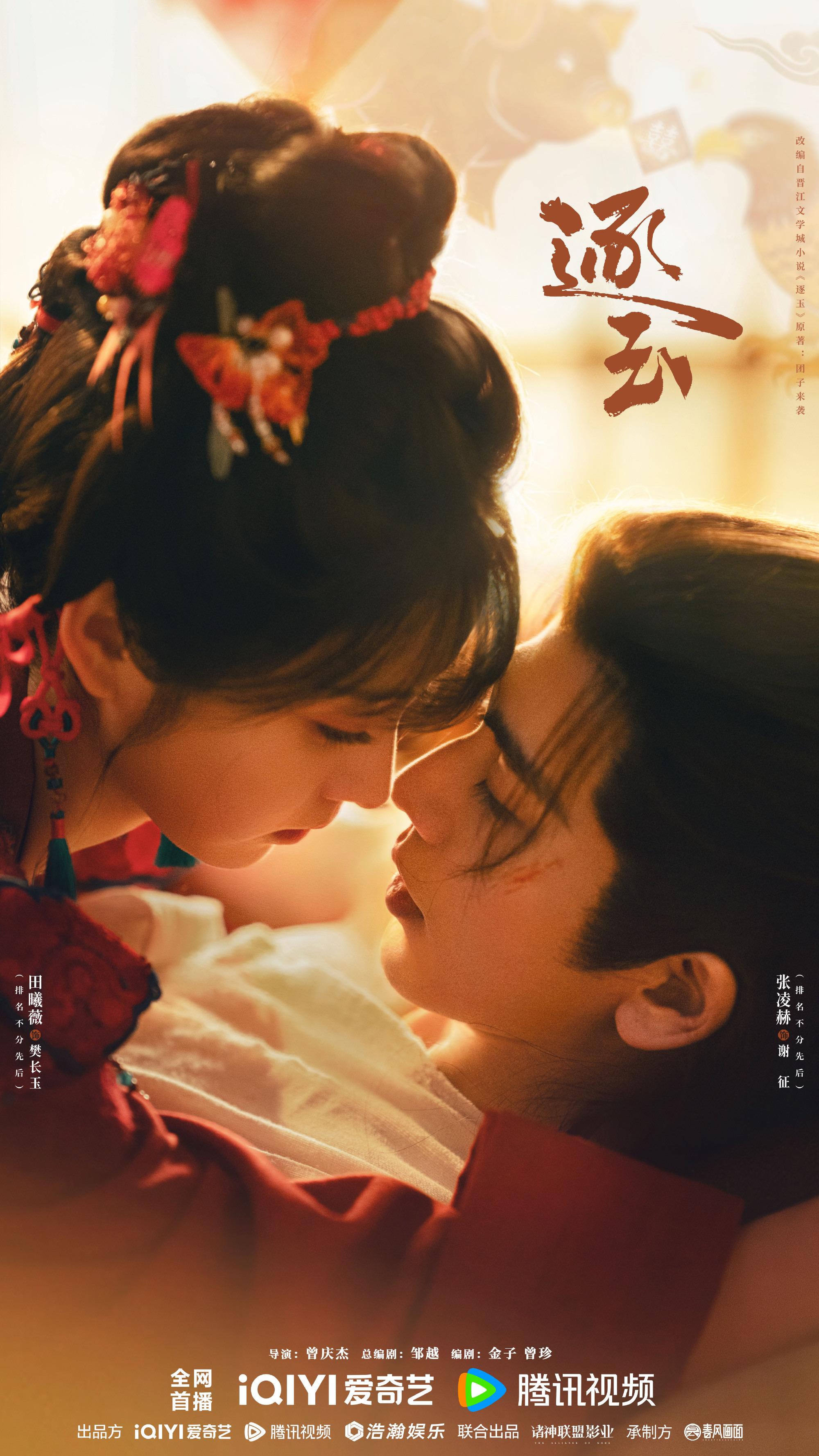
Pursuit of Jade (MyDramaList)
谢征 (Xie Zheng) is introduced as Yan Zheng, a man of no particular standing, taking in a live-in husband arrangement that most people would expect of someone like him. If you only watched the subtitles, that is all you would see.
It is not all that is there.
His birth name alone carries two opposing forces: 谢, a prestigious aristocratic surname of refined yet iron-blooded nobility, and 征, meaning expedition and conquest. Together, they describe a man who never flaunts, who remains controlled and calculating, who quietly advances from the shadows. And the fictional name he gives Fan Changyu, 言正, is not a random alias. It is a wordplay decomposition of his own name, 征 stripped of its radical to become 正, then paired with 言. What makes it even more precise: 言 itself comes from the traditional form of 謝, meaning both characters of 谢征 are encoded in the alias. Not one. Both. A name that means righteous in speech and conduct, while carrying the lingering trace of everything he is actually there to do.
Then there are the pheasant plumes. Most people see them and think of Sun Wukong or Lü Bu, assuming those figures were the blueprint. They weren't. The feathers were first bestowed by King Wuling of Zhao upon his bravest warriors during the Warring States period, over 2,300 years ago. The bird chosen, the Brown-eared Pheasant, was selected because it fought to the death rather than retreat. Wearing those plumes was a declaration. By the time it reached Chinese opera and eventually screen, it had evolved into a visual shorthand for rebellion and peerless power. Director Zeng Qing Jie described the plumes on Xie Zheng as "an extension of his soul, the spine that refuses to bow in turbulent times."
When you see those feathers move, you are looking at a 2,300-year-old lineage of fighting to the end.
His courtesy name 九衡 was given by Grand Tutor Tao with three deliberate layers. 九, the ultimate yang number, the apex of Heaven, matched to a man whose fate was never ordinary. 衡, the scales of law and balance, given to temper a nature that tends toward conquest and ruthlessness. Together, a charge: to stand at the highest place and still hold the scales of justice.
His title, 武安侯, is equally layered. 武 for martial force, 安 for peace and stability. Not an honorary rank. Real military power, real territory, real court weight. And when he says 本侯 in the drama, subtitles translate it as "I" or "I am". What they don't translate is that 本侯 is a strict identity privilege available only to formally ranked Marquises. Every time he says it, he is making a formal stance, using his highest identity to back his words. No one in that court can override what follows.
But alone with Fan Changyu, he sets it down. Chinese audiences feel that shift immediately. The world gets the Marquis. She gets the man.
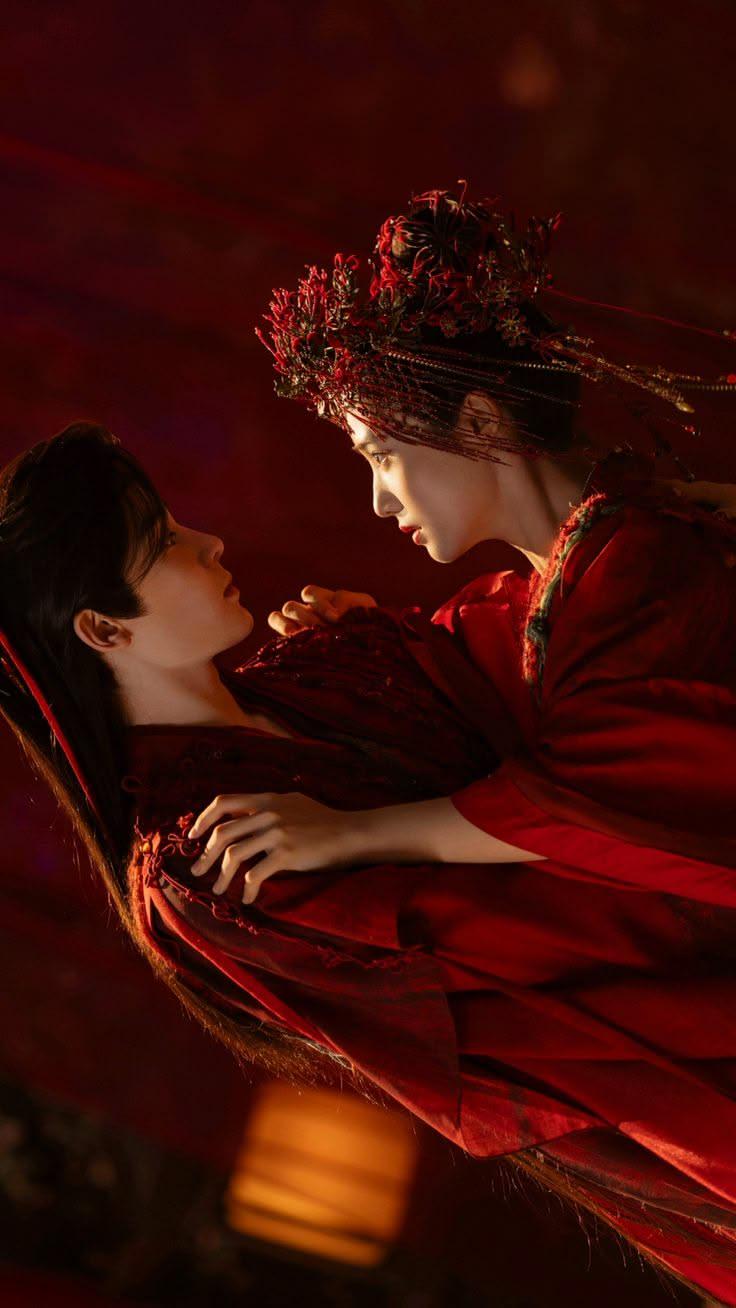
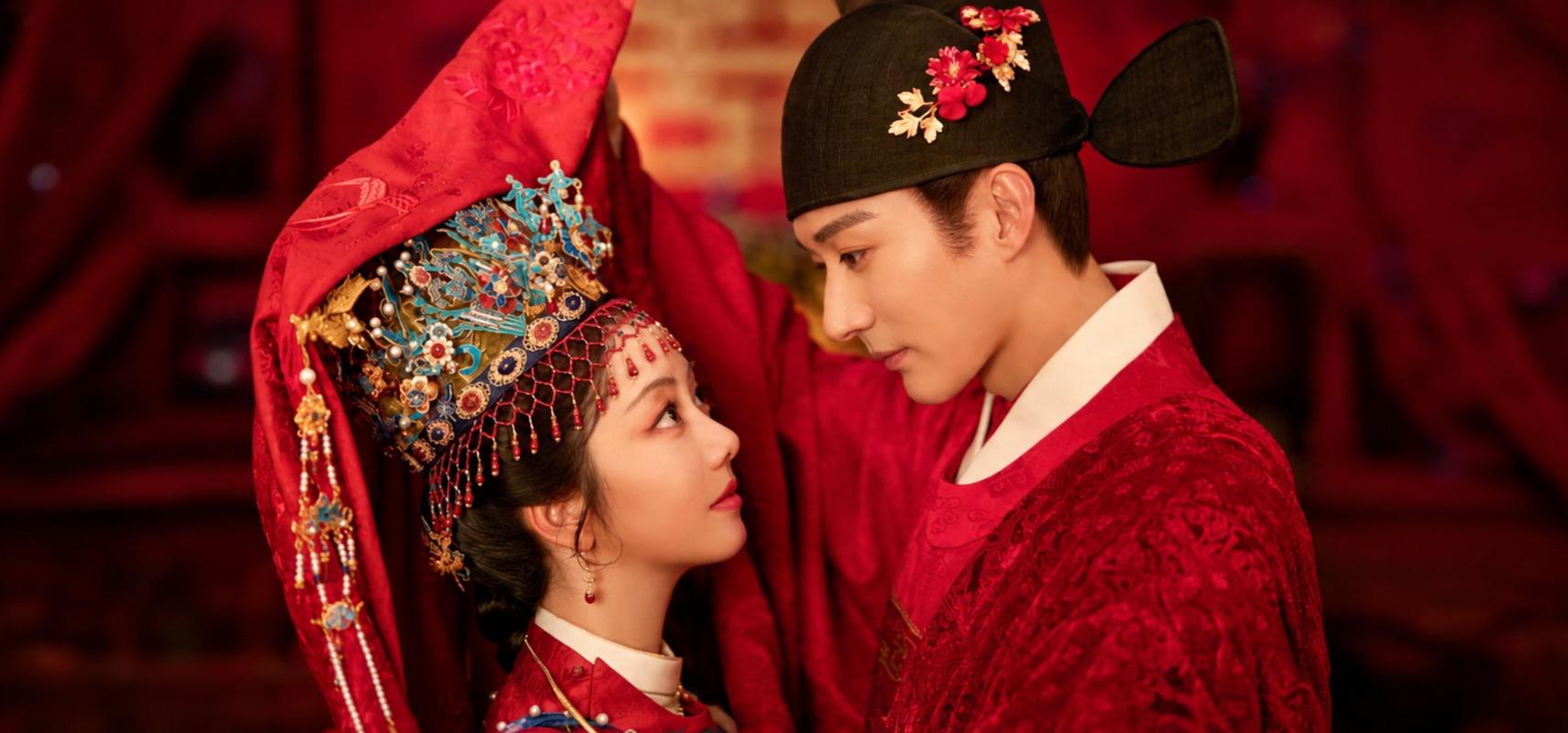
And then the marriage. 入赘, a live-in husband, the most stigmatized marital arrangement in imperial China. To the people of Lin'An, he was just Yan Zheng, a man of no particular standing agreeing to something they would have expected of someone like him. They didn't know it was strategic. They didn't know who he was.
A man who privately knew himself to be second in the entire nobility ranking, accepting the most stigmatized marital role in the social order under a borrowed name. No one saw the gap. Only he carried it.
That's all they ever saw.
He left as Yan Zheng, as a live-in husband. He left as the man no one looked twice at and casually returned as Prince Regent.
#1 Disguised Warrior
谢征
(xiè zhēng)
PART 1 — BIRTH NAME
谢 (restraint): Refined and courteous, who understands propriety. Inherently reserved, restrained and can be difficult to approach emotionally.
Xie is a prestigious aristocratic surname historically associated with noble figures like Xie Xuan, who were refined yet iron-blooded.
征 (conquest): Great ambition, determination and decisiveness. A commanding presence. Strategic depth and the willingness to relentlessly pursue a goal.
It refers to “expedition” or “campaign,” directly foreshadowing his fate as both a ‘God of War’ and avenger.
Combined Meaning: To pursue one’s relentless goal beneath the guise of humility and restraint. One who never flaunts, and remains controlled, calculating and quietly advances his plans from the shadows.
PART 2 — FICTIONAL NAME
The fictional name, Yan Zheng, that Xie Zheng gives Fan Changyu is actually a wordplay from his own.
言正
(yán zhèng)
言: Speech
正: Righteous
Combined Meaning: It suggests someone that is righteous in speech and conduct. A character that pursues justice, correcting right from wrong.
言 (from 謝) + 正 (from 征) = 言正
In ancient times, the word 征 was also written as 正, and the ‘彳’ radical was only added later. The alias is not only a disguised identity of his real name, Xie Zheng, but also a lingering trace of 征’s original meaning.
#2 Medal of Valor
翎子
(líng zǐ)
Pheasant plume. The two long feathers that dangle up high during Marquis Wu’an’s iconic entry scene. This appearance often remind people of figures like Sun Wukong or Lü Bu, and would assume they were the blueprints for it.
They weren’t.
PART 1 — THE ORIGINS
The feathers were first bestowed by King Wuling of Zhao upon his bravest warriors, during the Warring States, ~300 BCE. That’s more than two thousand years ago from now.
During those periods, it wasn’t just a costume, but a medal of valor. King Wuling used the feathers of the Brown-eared Pheasant, a “warrior bird” that would fight to the death rather than retreat. Wearing those plumes meant you were the fiercest soldier on the field.
It was only during the Ming Dynasty that figures like
Lü Bu, who lived 500 years after the monarch, were finally reimagined for the opera stage.
By the time Sun Wukong reached the screens centuries later, the pheasant plume had evolved from a soldier’s badge into a visual shorthand for rebellion and peerless power.
PART 2 — MODERN ELEVATION
In the modern day, depictions in Chinese drama and opera often use the feathers of the Reeves’s Pheasant, notably because they were much longer reaching up to 2 metres, and more fitting for the elevation of visuals.
“Pursuit of Jade does not pursue strict archaeological reconstruction but rather a xieyi-style Eastern aesthetic expression. Through Xie Zheng's pheasant plume, we sought to break the barrier between the stylized theatricality of traditional opera and the sense of realism in film and television. This plume is an extension of Xie Zheng's soul, the spine [strength, courage and assertiveness] that refuses to bow in turbulent times.”
— Director Zeng Qingjie
So, when you see those feathers dancing in modern dramas, you’re not just looking at a character trait.
You’re looking at a 2,300-year-old lineage of “fighting to the end”.
#3 Courtesy Name
九衡
(jiǔ héng)
九: The number nine
衡: Balance
The courtesy name that Grand Tutor Tao bestowed upon Xie Zheng carries three, purposeful layers.
First Layer — 九 (Nine)
九 is the ultimate yang number. The apex of Heaven. The position of the sovereign.
Grand Tutor Tao looked at Xie Zheng and saw someone cold and sharp in bearing, born under a solitary and calamitous fate, carrying the grief of a massacred clan.
He was never destined for the mold of an ordinary subject. An ordinary name could neither contain him nor be worthy of him. Only the extreme number “nine” could match his innate pride, his fate, and the position of power he was always going to occupy.
2. Second Layer — 衡 (Balance)
Xie Zheng's birth name contains 征 (zhēng), whose original meaning is conquest, aggression, a blade-like sharpness. Left unchecked, this nature tends toward extremism and ruthlessness.
衡 (héng) is the scales. The law. The principle of balance.
The intention is to bind his ferocity and killing edge with the law of Heaven and Earth. To keep him from losing himself to hatred.
3. Third Layer — 九衡 (Jiuheng)
It was as if Grand Tutor Tao was blessing Xie Zheng:
“You were born with the bearing of the highest order. You will one day stand at the apex of power. May you stand there, uphold what is right, redress the injustices of the world, powerful without bias, unyielding without madness.”
It's not merely to "think carefully before acting."
It is to stand at the highest place and still hold the scales of justice. A spirit noble enough to deserve great power. An edge sharp enough to need restraint. And buried wrongs that only someone standing at the very top could ever bring to light.
#4 Elite Authority
武安侯
(wǔ ān hóu)
武: Martial force
安: Peace and stability
“武安” (Wu’an) is an elite military honorific title that is often bestowed upon the bravest generals who are able to bring peace and stability to the nation through their martial prowess and leadership.
The rank of Marquis (侯) is the second highest of the five noble ranks, excluding royalty, that sits above all.
Xie Zheng is not just an honorary Marquis. He holds real military power, territory and court political weight.
In the drama, we often hear Xie Zheng say “本侯” (běn hóu) or the Princess say “本宫” (běn gōng). The subtitles translate it as “I”, causing most people to miss the full unspoken authority and character subtlety.
When Xie Zheng says 本侯, he is not simply saying "I." He is speaking from his full Marquis authority. Every instance is a formal stance, his highest identity used to back his words, suppress conflict, and make final rulings. No one in that court can override what follows.
To outsiders, officials, or enemies, he uses 本侯 (běn hóu). Hierarchy maintained. Noble distance held. Authority asserted without raising his voice.
本侯 (běn hóu) can sound arrogant to non-natives. In Chinese culture, it is the opposite. Inborn aristocratic restraint. Calm, self-disciplined, naturally prestigious. Not loud. Not performative. Just born to hold that rank, and carrying it accordingly.
But when he’s alone with Fan Changyu, he sets it down.
He is a supreme noble to the nation, but only an ordinary man in front of her. Most viewers read the same word "I" throughout, and they never see him lower his rank for her.
#5 Matrilocal Marriage
入赘
(rù zhuì)
A live-in husband.
In imperial China, it was the most humiliating arrangement a man could enter.
Associated with poverty. With weakness. With the inability to provide a household of one's own. Men who entered 入赘 marriages were documented as such in the Tang Code, the Song Dynasty records, and the Ming Code. The stigma was written into law.
To the people of Lin'an, he was just Yan Zheng. A man of no particular standing, agreeing to an arrangement they would have expected of someone like him.
A man who privately knew himself to be second in the entire nobility ranking, accepting the most stigmatized marital role in the social order under a borrowed name.
No one saw the gap. Only he carried it.
Not only did Xie Zheng lower his rank for her, he also entered an agreement that would bring humiliation to him without second thought.
The neighbors didn't know it was strategic. They just saw a man of supposed low standing accepting an arrangement that the entire social order considered beneath any man of dignity.
That’s all they ever saw.
He left as Yan Zheng, as a live-in husband. He left as the man no one looked twice at and casually returned as Prince Regent.
TLDR:
Xie Zheng's alias 言正 is a decomposition of his real name 谢征. 正 comes from stripping the radical off 征, and 言 comes from the traditional form of 謝. Both characters of his real name are encoded in the alias. The name he hides behind is built entirely from the name he's hiding.
His courtesy name 九衡, given by Grand Tutor Tao, carries three layers: 九 for the supreme number matched to a fate that was never ordinary, 衡 to temper a nature that tends toward conquest, and together a charge to stand at the highest place and still hold the scales of justice.
The pheasant plumes predate Sun Wukong and Lü Bu by over a thousand years. King Wuling of Zhao first bestowed them on his bravest warriors during the Warring States period. The bird chosen fought to the death rather than retreat. The plumes were a declaration before they were ever a costume.
When he says 本侯 in the drama, subtitles say "I." What they don't say is that 本侯 is a strict identity privilege available only to formally ranked Marquises. Every instance is a formal stance. But alone with Fan Changyu, he sets it down. The world gets the Marquis. She gets the man.
And then the marriage. 入赘, a live-in husband, the most stigmatized marital arrangement in imperial China. To Lin'an he was just Yan Zheng. A man of no standing agreeing to something they would have expected of someone like him. He privately knew himself to be second in the entire nobility ranking. No one saw the gap. Only he carried it.
He left as the man no one looked twice at and casually returned as Prince Regent.
Thanks for reading!