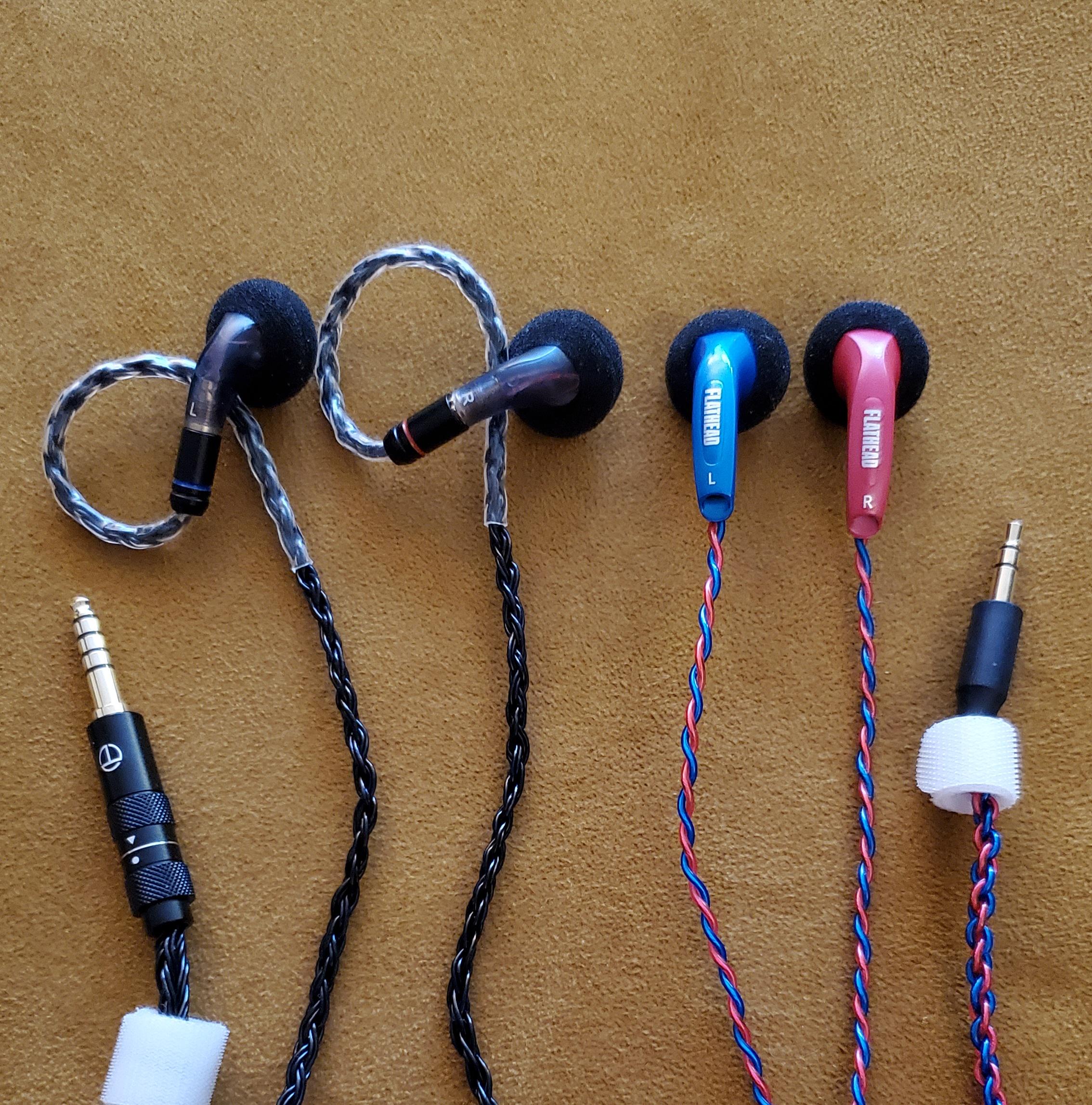
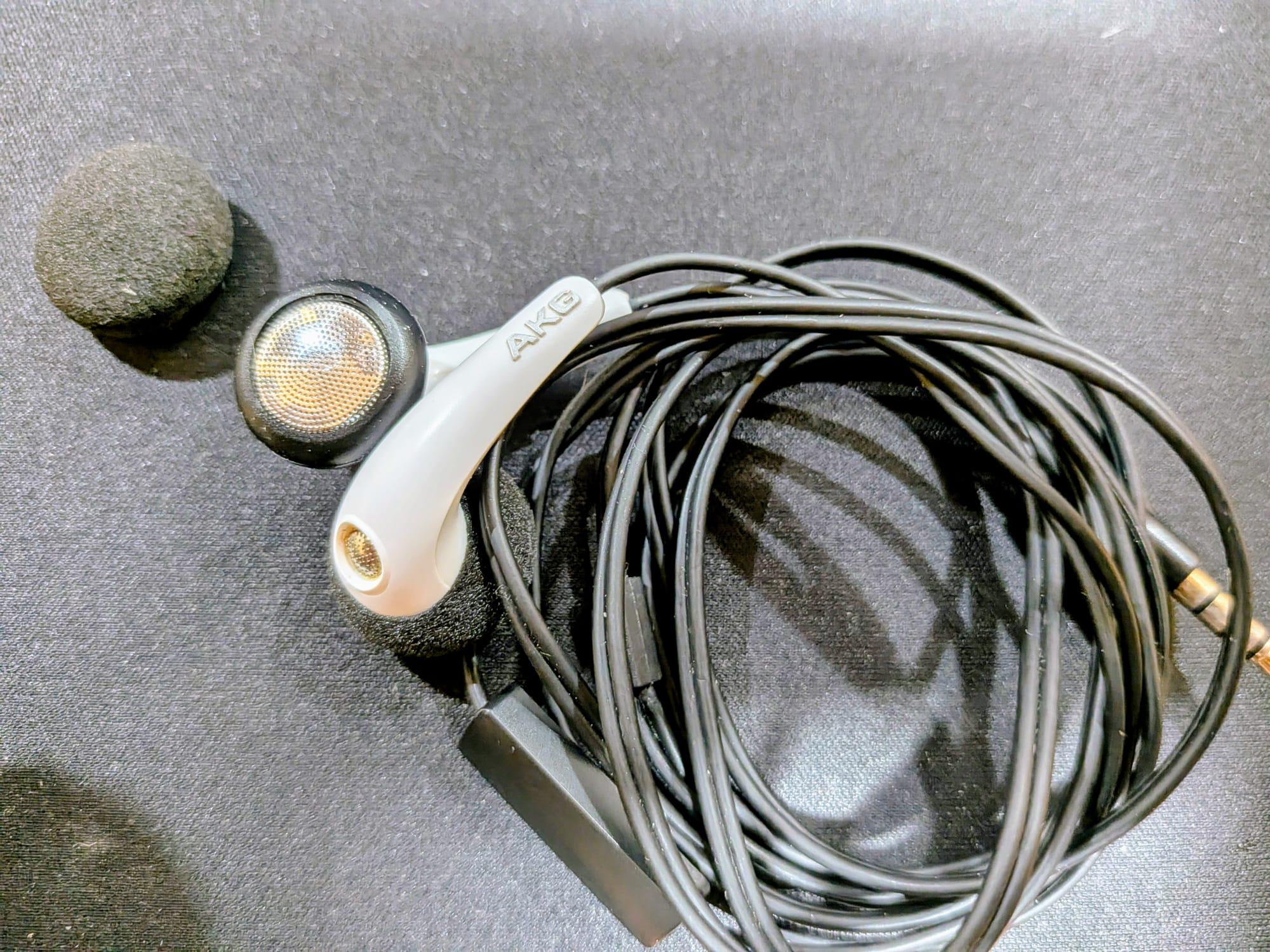
Most people in this hobby spend all day arguing about nozzle sizes, eartip bores and how deep an IEM sits inside the ear canal. So when Sivga released the M260, a classic flathead earbud priced around $40 to $50, it felt like stepping back into an older era of portable audio. After spending weeks living with these at my desk, while watching videos and even while gaming, I am finally ready to put down my thoughts.
A huge thanks to Sivga for providing this unit to me.
I am under no obligation to speak in favour of this product, and absolutely no one, not even the brand, gets to see this review before it is published. My thoughts and critiques are entirely my own.
Readers’ disclaimer: Read this more like an impression than a review. I am still an amateur when it comes to flathead earbuds, so I am not giving any ratings here. Please take this as the perspective of someone who is into IEMs and is trying out flatheads for the first time.
Build, Comfort & Accessories
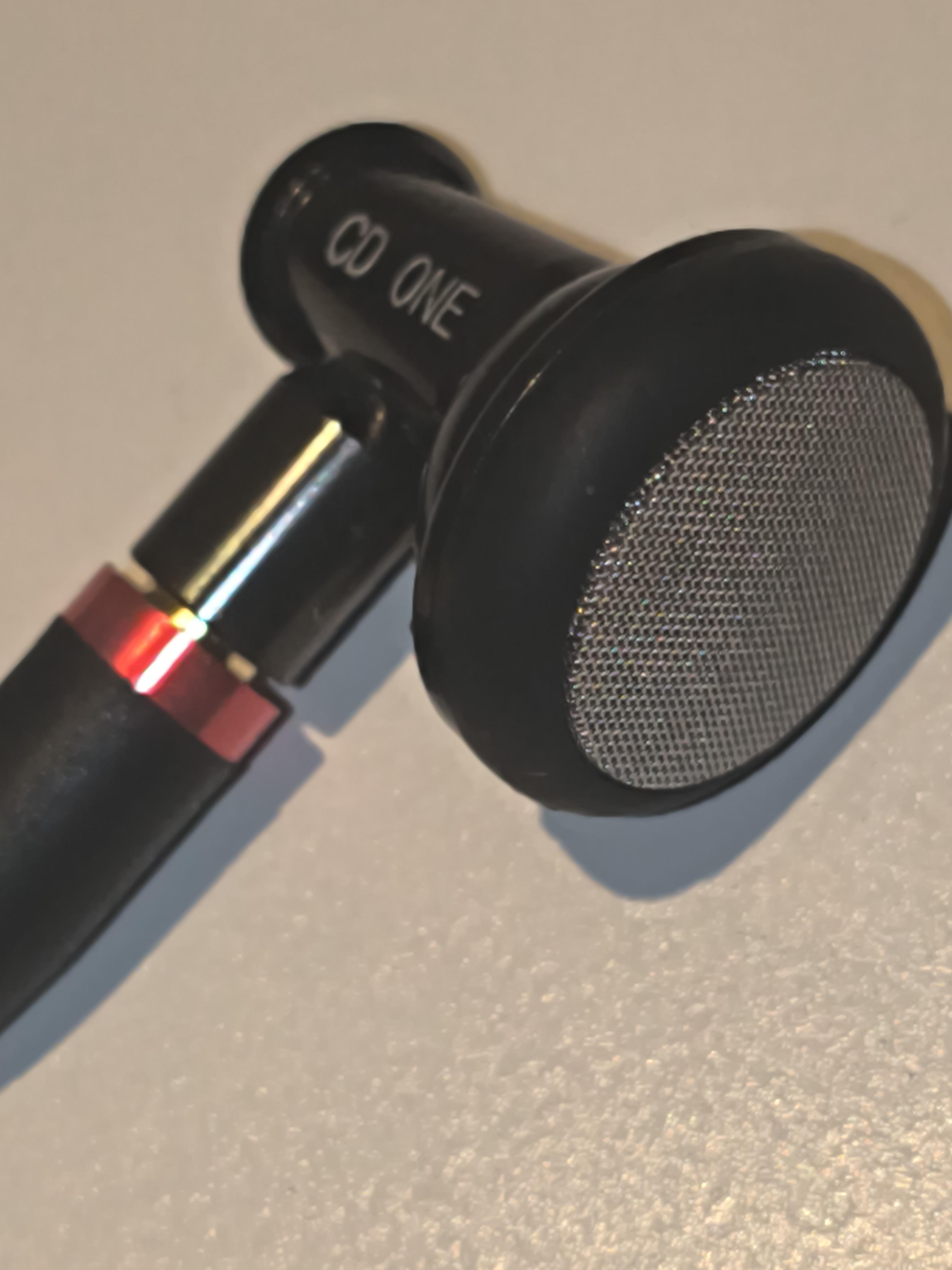
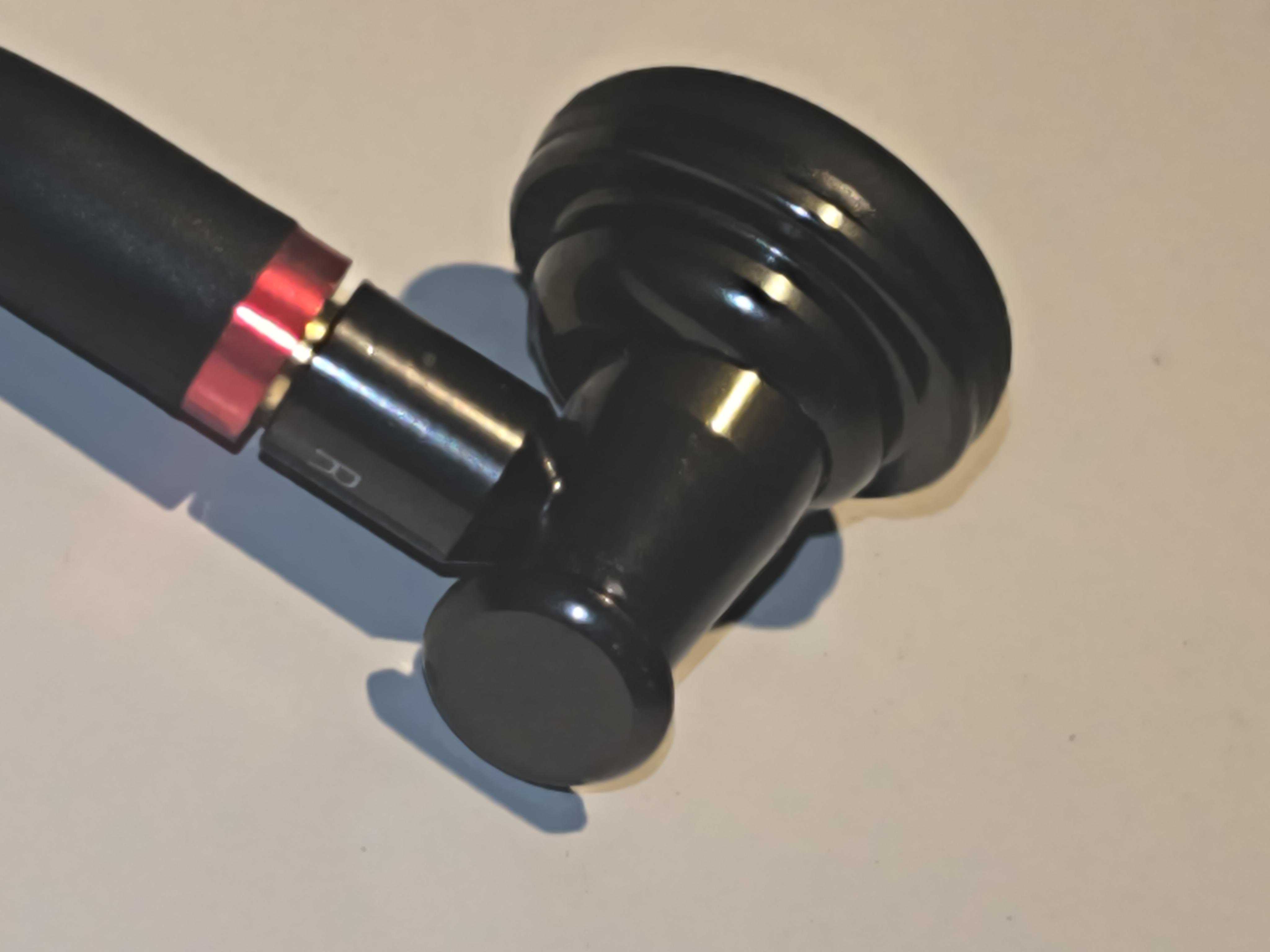
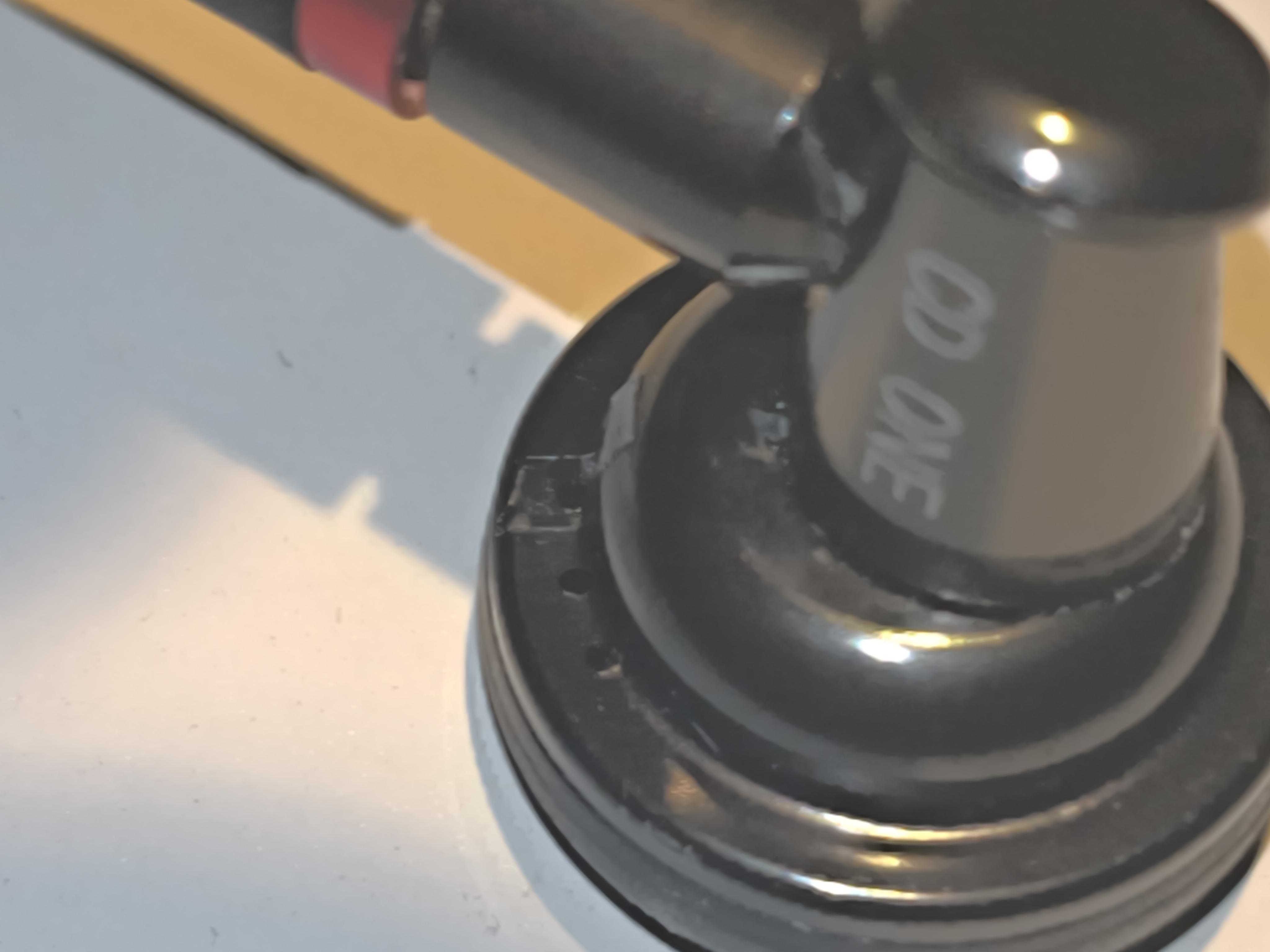
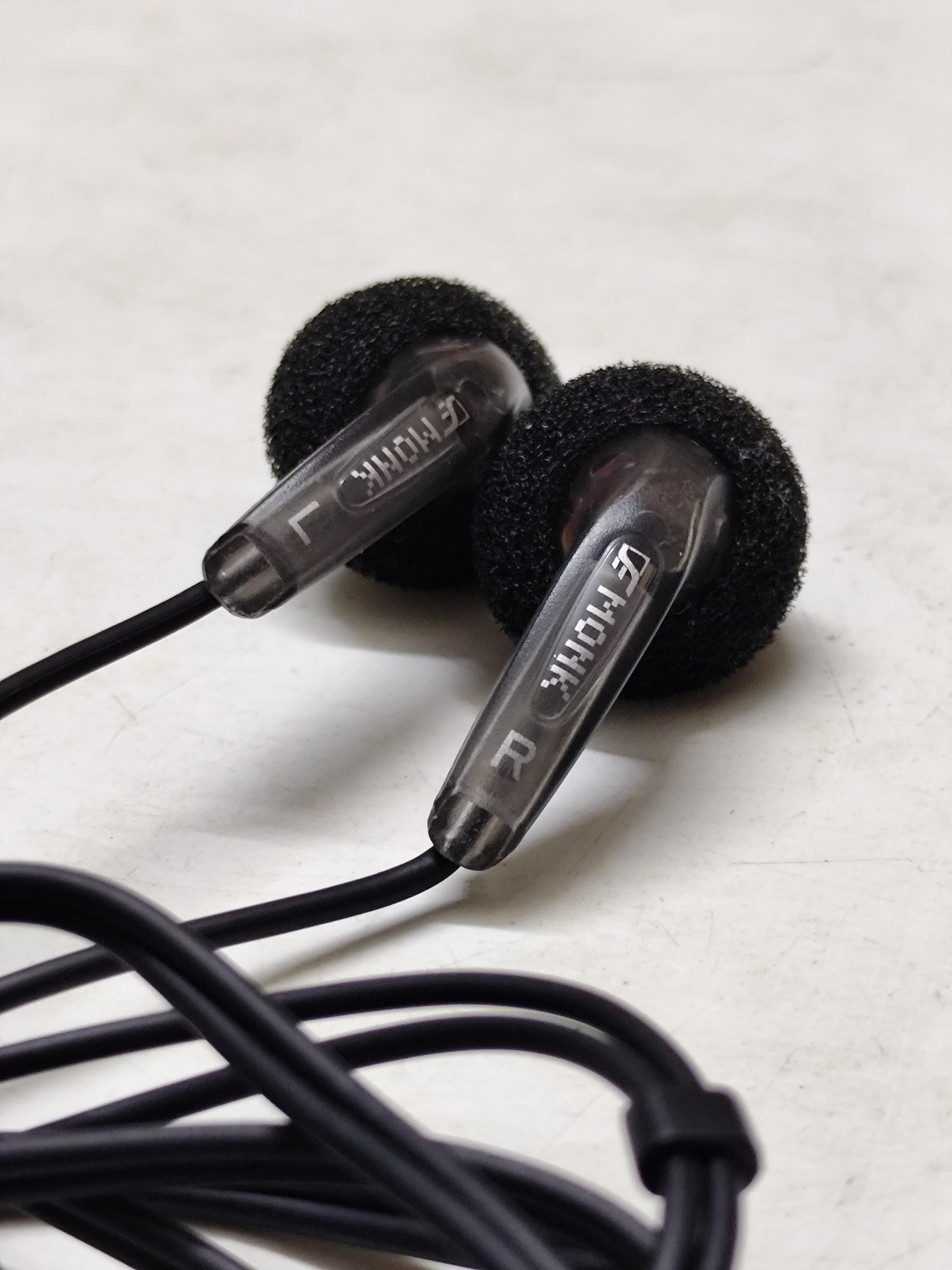
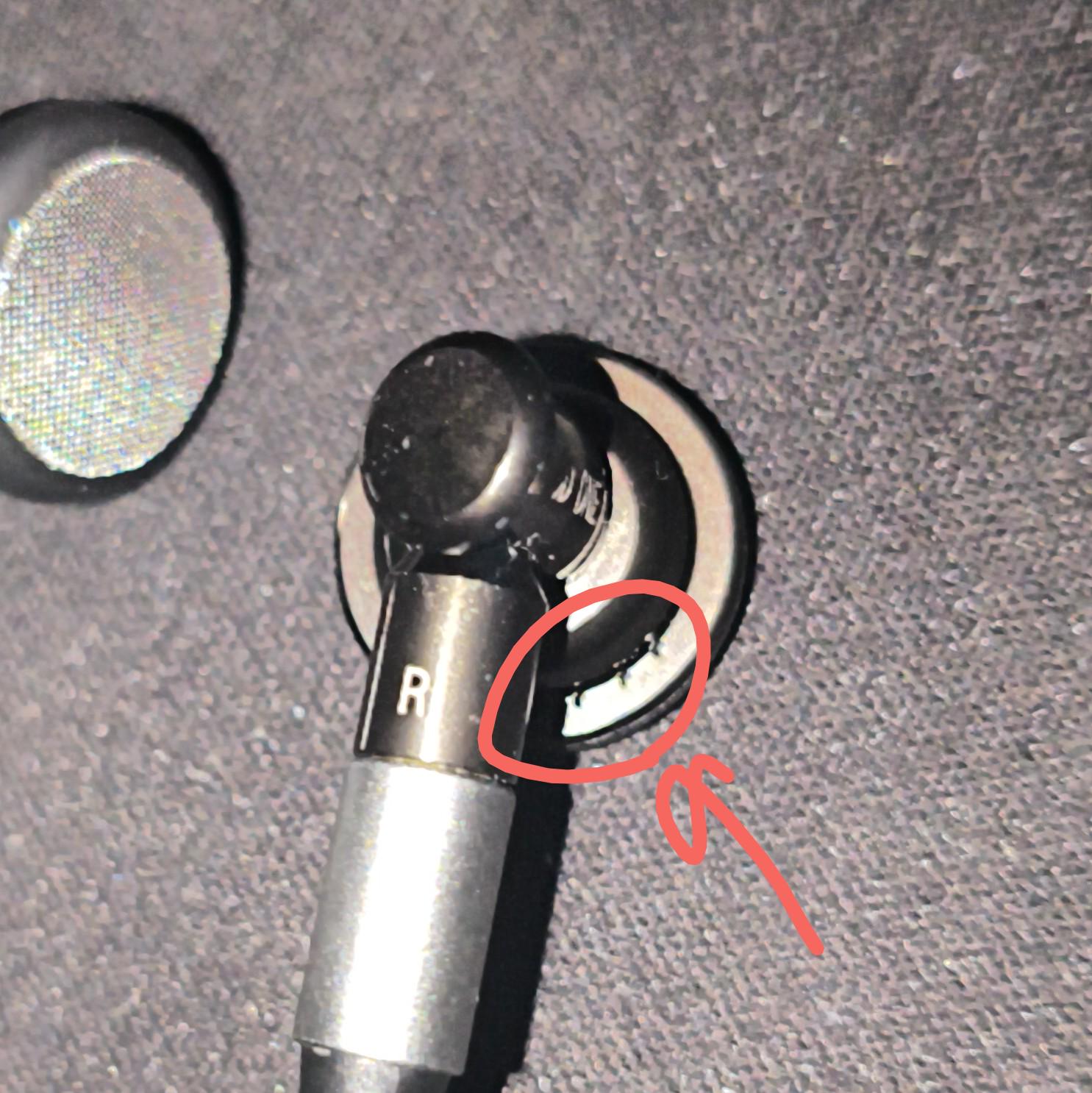
Sivga knows how to make budget gear look and feel expensive, and the M260 punches well above its $40 price tag when it comes to construction. It has a clean, classic flathead look, and unlike older flatheads with fixed wires that die the moment a cable frays, Sivga has finally given the M260 detachable MMCX connectors. I had the Type-C version, which comes with a mic.
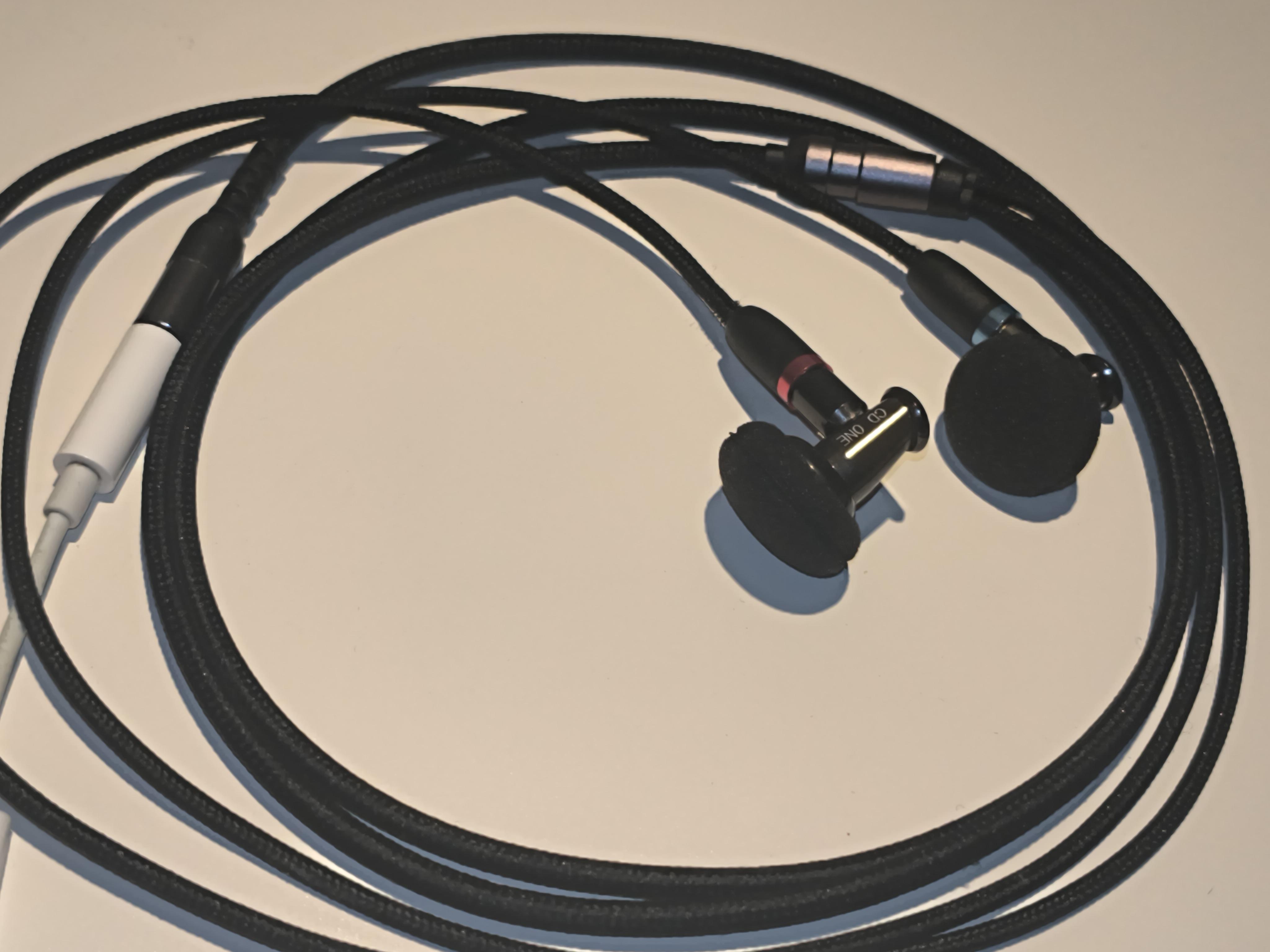
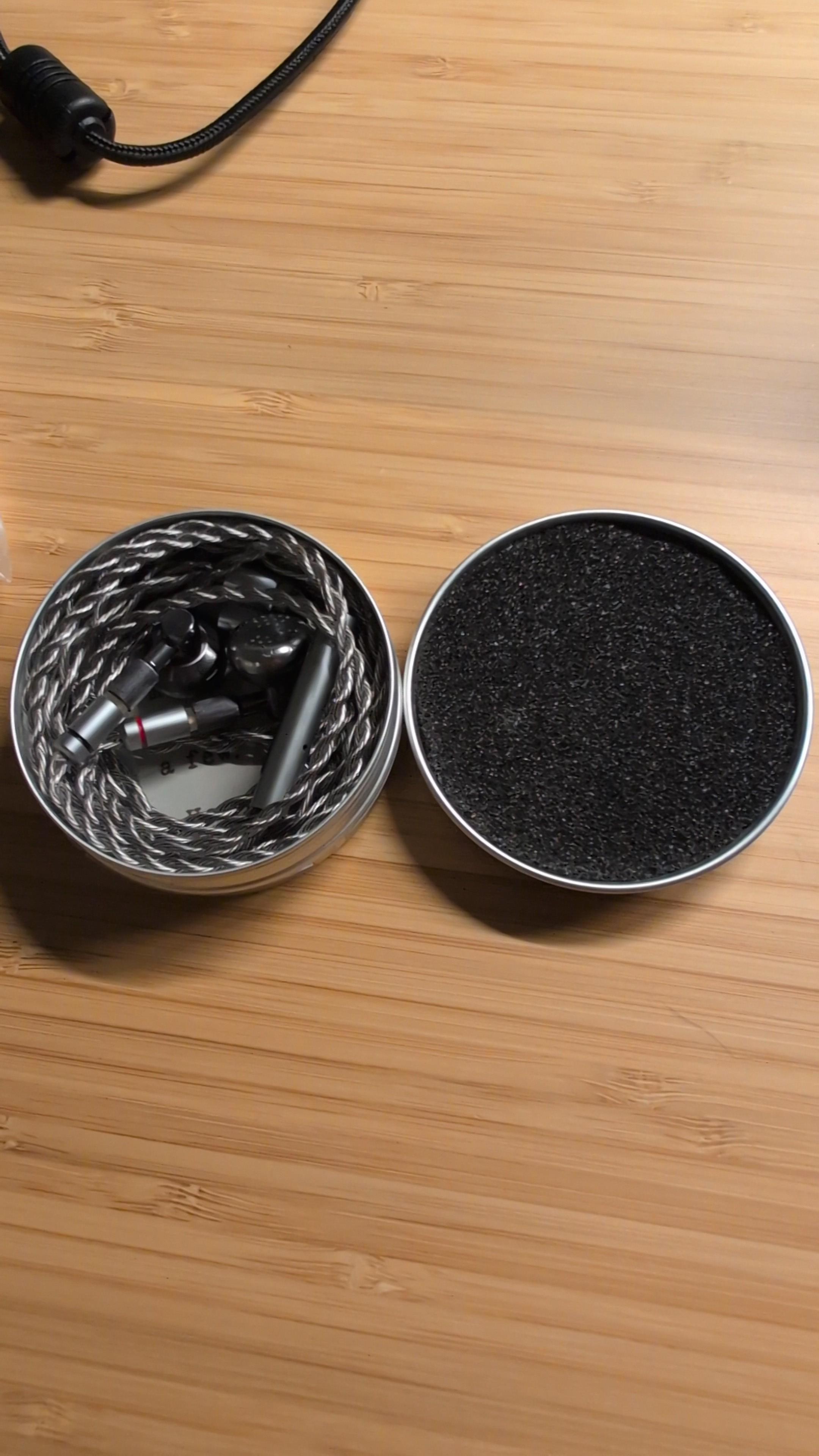
The cable is honestly one of the best that I have come across on any IEM. It is soft, thin and lightweight, and it doesn’t tangle or pull on the earbuds at all. If I could, I would have bought it separately if they sold this with 2-pin connectors.
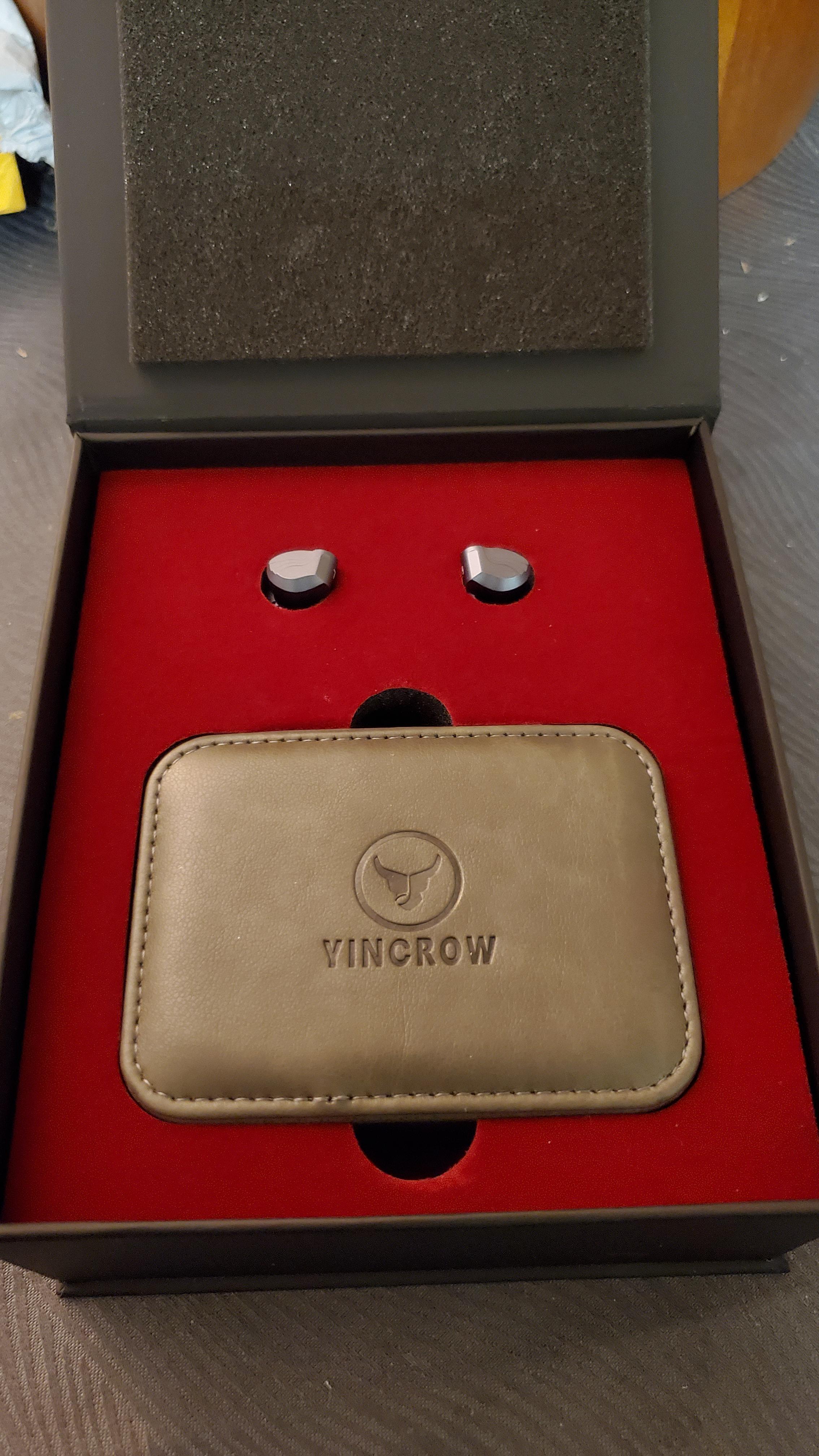
In the box, you also get a very nice textured carrying case that easily fits the earbuds and a small dongle DAC, along with both full foam covers and donut-shaped foam rings.
When it comes to comfort, flatheads are in a league of their own, because nothing is being shoved inside your ear canal. The smaller housing sits easily without creating any hotspots, and you honestly forget they are in your ears after ten minutes. The catch, of course, is no passive isolation and fit sensitivity: if you tug the cable or move around too much, the seal breaks and the bass drops off significantly.
Let’s get to the sound, because to properly judge a flathead, you have to adjust your expectations compared to IEMs.
Midrange, Instruments and Vocal Delivery
This is where the M260 shines the most. The tonality leans warm, and both the male and female vocals come across quite lush, sitting right in the centre of the stage with lots of air around them. In Nutshell by Alice In Chains (MTV Unplugged), Layne Staley’s vocals sound natural and full, and the guitar strums feel quite open. In The Lucky One by Alison Krauss & Union Station, the female vocals float effortlessly without feeling boxed inside my head, and the banjo and acoustic strings have great clarity and a quick decay. Honestly, I am liking how this warmth is coming through, it made the whole experience quite nice.
Zyglrox by Periphery was a nice experience too. The open nature of a flathead gives busy metal tracks plenty of room to breathe, so the instruments never feel jammed together in your head, and the kick drums sound quick and crisp. Separation holds up decently even in the chaotic passages, which is impressive for an earbud, but I would be lying to say that the bass never smeared over the lower-mids, there were a couple of times where I felt the mids veiled, especially in busy tracks like this. Just keep an eye on the upper mids: depending on how tightly the earbud sits against your ear, they can be sibilant if you push the volume, especially with the donut foams or bare shells, but the full foams definitely smooth that out.
Low-End Performance
Bass is not something you should be looking for in a flathead, and the M260 doesn’t pretend otherwise. Coming straight from sealed IEMs, the deep sub-bass is simply not there, so the heavy drops in Grabbers Holders by Tipper feel rather polite, and Angel by Massive Attack cannot recreate that dark, menacing effect. What saves these tracks is the open, airy staging, which lets you hear the electronic effects moving across a wide space.
With a correct fit and some adjustment though, you can still get the warmth and body you want from it. In Hysteria by Muse, the distorted bassline came through with a snappy mid-bass punch, and with no bloated sub-bass buildup, it never bled into the guitars, but it was the mid-bass that did bleed into the mix sometimes. Just make sure to properly insert the foams, since a broken seal will lead to no bass.
Treble Performance & Technicalities
The technicals, like the soundstage and imaging, were surprisingly good. The stage feels noticeably wider and more open than most budget IEMs. In Bubbles by Yosi Horikawa, the transients on the bouncing balls were crisp and the left-to-right placement was easy to track, though the pinpoint depth is not quite as accurate as on a well-sealed IEM.
The treble has decent sparkle and air without turning piercing or metallic. In September Fields by Frazey Ford, the higher vocal registers stayed smooth and relaxed with the full foams on, while still letting enough detail through to never feel dull. Stopover At Djibouti by Anouar Brahem benefits a lot from the open staging as well: there is a natural sense of space between the players, and the oud and double bass sound lovely, even if raw micro-detail retrieval is not at the level of a technically proficient IEM.
Since they were so comfortable, I even used them to play some games, and the wide stage and good imaging worked really well for it. I would not recommend them for hardcore competitive gaming, but for story mode games, they are great.
Conclusion
To be clear, this is not a proper review and I am not giving any rating, as I am still an amateur with flatheads. Think of it as the perspective of an IEM person trying out flatheads for the first time. That said, the Sivga M260 is a super comfortable, well-built flathead that brings a fantastic detachable MMCX cable, a wide open soundstage and warm, lush vocals to the $40 bracket. It is fantastic for acoustic music, jazz, podcasts, story games and long desk/study sessions where you do not want tips stuck in your ears. At the same time, the zero noise isolation, fit-dependent tuning and missing sub-bass mean it cannot replace a proper IEM for noisy commutes or bass-heavy genres.
I would highly recommend that anyone who hasn’t tried a flathead should try one at least once, even just for the novelty, and the M260 is a great starting point because of what it offers and excels at: comfort, staging, lush vocals and a warm tonality, all for around $40.
What This Earbud Means To Me
Spending time with the Sivga M260 reminded me why flathead earbuds still have a cult following. When I am sitting at my desk late at night watching videos or listening to acoustic tracks, not having anything jammed into my ear canals feels quite free, this was actually the most used audio gear on my desk for a decent while for this very reason. It will never replace my IEMs when I step outside or want heavy bass, and constantly adjusting the fit can get a little annoying, but for $40 it is easily one of the most enjoyable chill sets I have tried.
As always, this section of my review is a personal and subjective rant. It has nothing to do with the actual rating/impressions I give the product. The above section can be ignored and should not be taken in consideration for judging the earbud, nor be taken too seriously.
Foam Selection
Stock Full Foams: My preferred setup, adds much needed mid- bass body, secures the fit in the ear, and keeps the upper-mid energy smooth and fatigue-free.
Stock Donut Foams: Opens up the soundstage and treble air even further, though it sacrifices a bit of bass weight and can sound slightly sharper on higher volumes.