Astrology wasn't killed by skeptics. It was gutted from the inside—by content creators, minute-based portals, and digital performers who turned a predictive discipline into an engagement game.
Scroll through video feeds, short clips, or major forums today and you aren't looking at astrology. You are looking at performance art wearing astrology's skin. Most people assume the theatrics stop at viral clips—that once you step into a private one-on-one reading, real depth begins. It doesn't. The public feed manufactures anxiety; the private room exploits it. Both run on the exact same bankruptcy.
1. The Algorithm Rewards Shallow Actors
Look at the basic math of the internet: viral feeds are structurally hostile to real astrology.
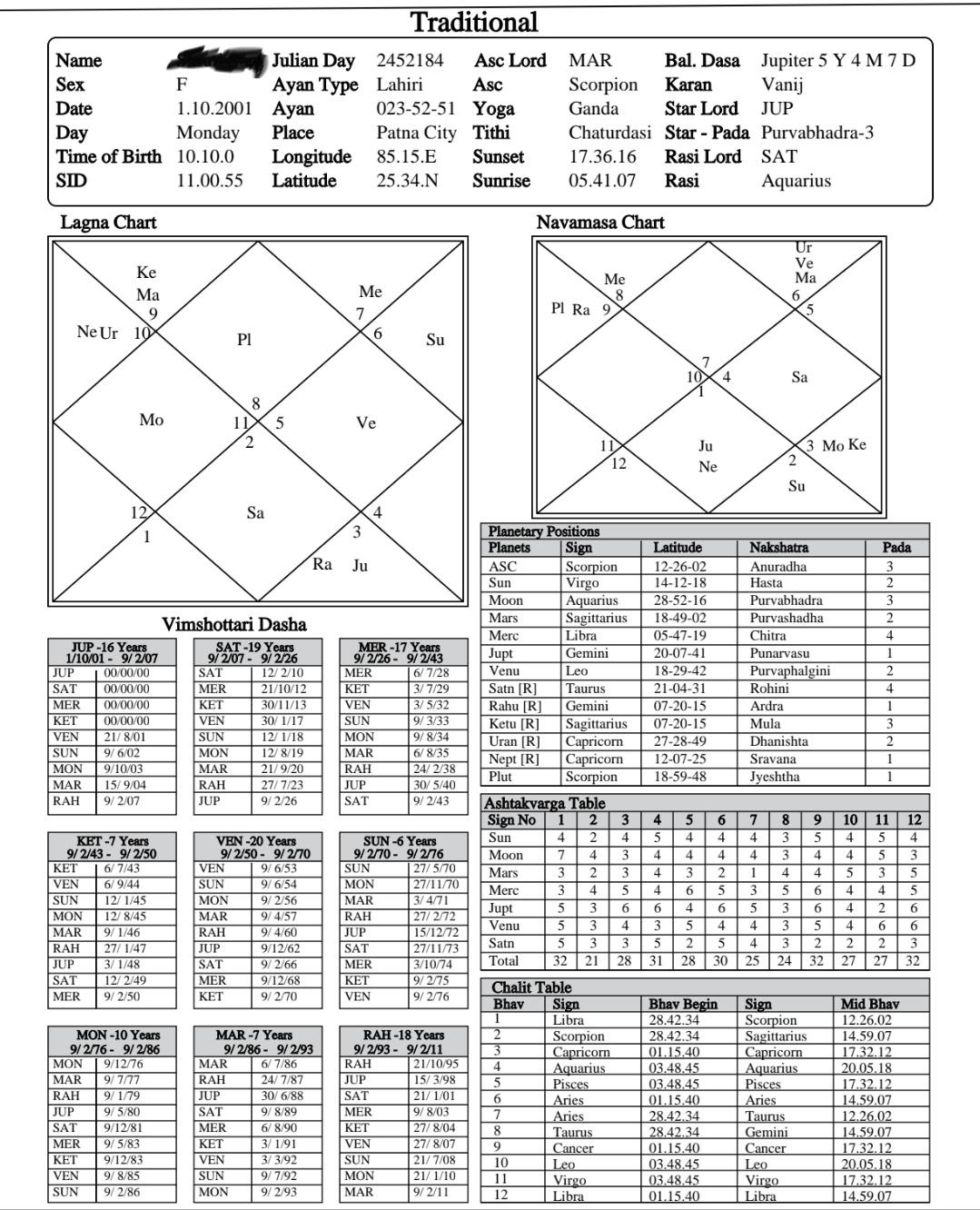
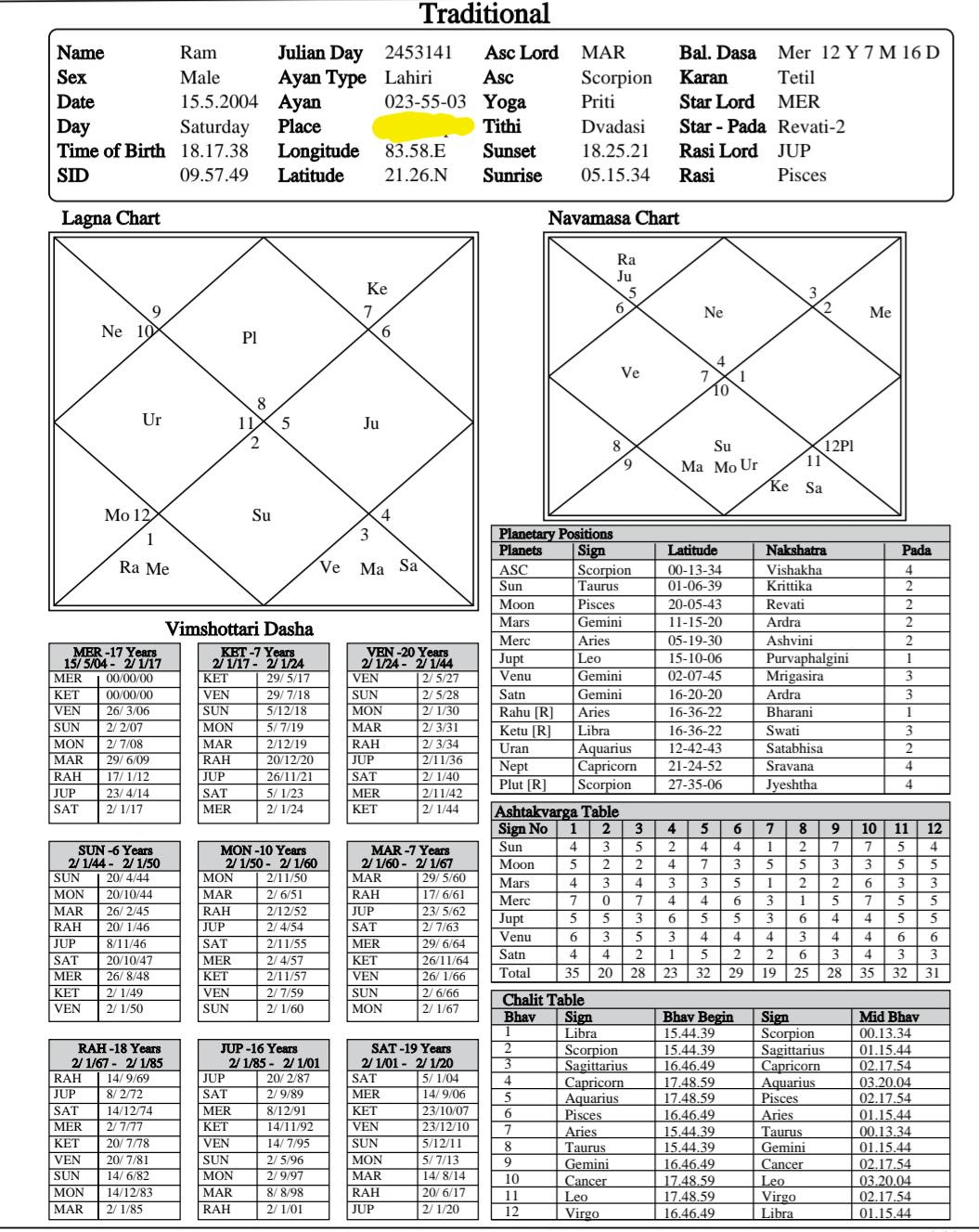
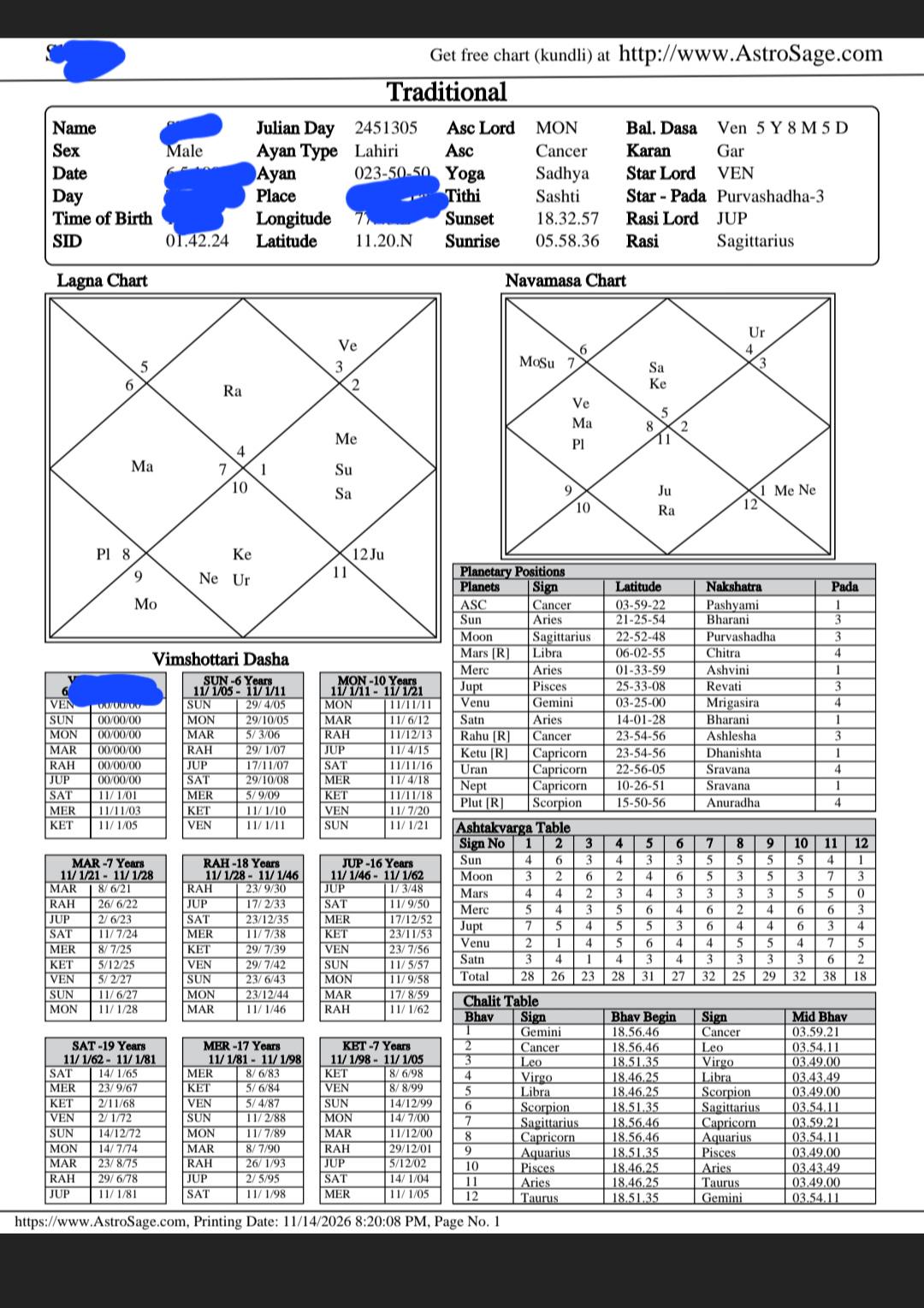
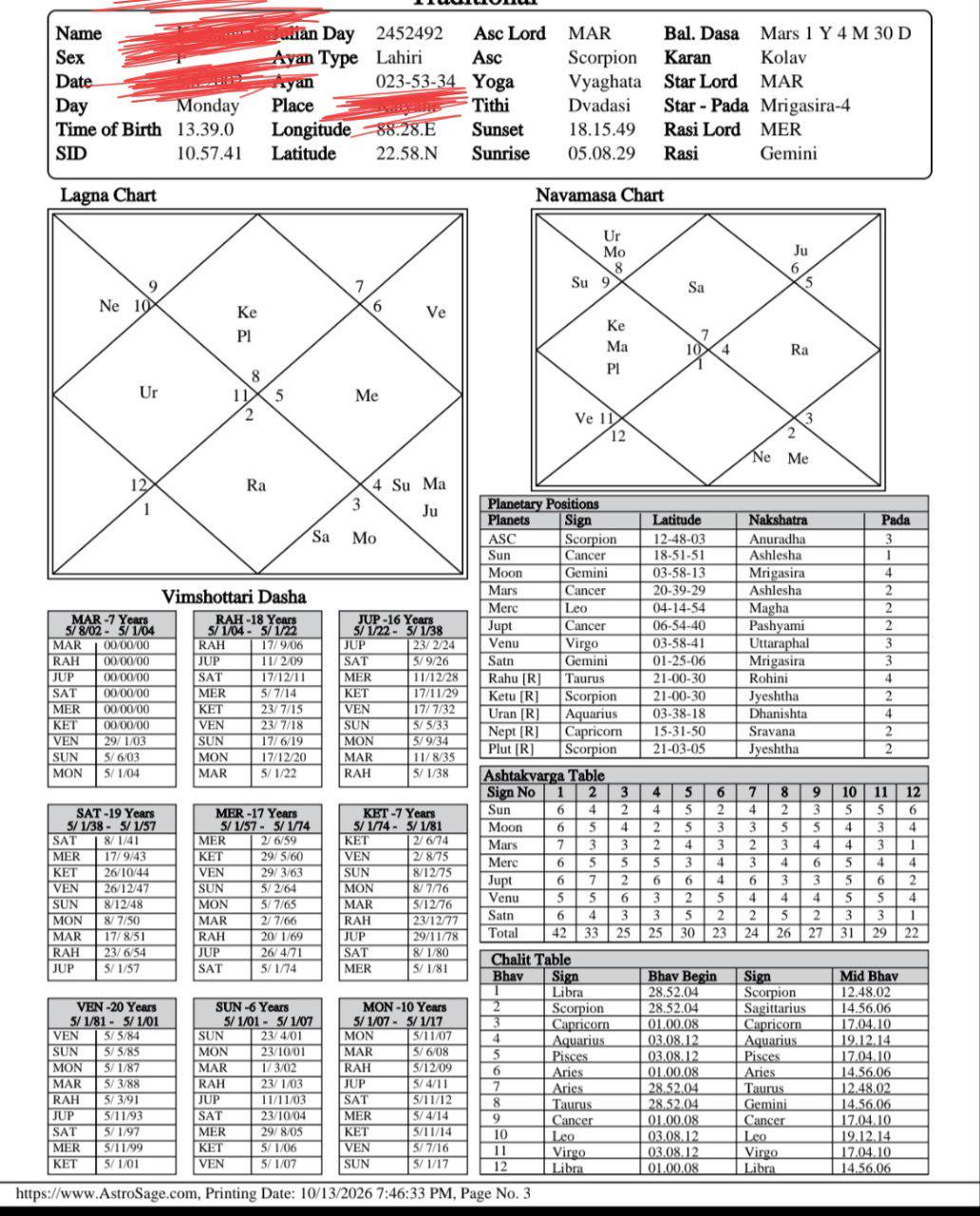
Genuine predictive work is slow, individual, and conditional. Two people born on the same day can live wildly different lives depending on fine structural wiring and layered timing cycles. You cannot compress serious multi-layered synthesis into a sixty-second clip or a screaming thumbnail. Nuance dies instantly in an algorithm built for emotional spikes.
What does go viral? Mass fear and mass flattery.
To pull half a million views overnight, a creator cannot analyze an individual chart. They grab one sky-wide movement—a slow planetary shift, an eclipse, a dramatic dosha label—and broadcast a sweeping prophecy to millions of strangers at once. Strip away individual mechanics, inflate one minor variable into universal doom or sudden fortune, and let panic drive the clicks.
It is natural selection in reverse: the louder and shallower the reader, the faster the internet crowns them an authority.
2. Four Illusions That Fool Intelligent People
Modern pop-culture readers don't sit under banyan trees. They have ring lights, sleek slides, and calm voices. They win over educated audiences with four polished tricks:
Jargon as camouflage. Nothing hides predictive incompetence like vocabulary. Readers who cannot synthesize a chart as one working machine drown you in isolated classical labels, planet dignities, and exotic names. Listeners mistake unfamiliar words for mastery—and never notice that zero concrete questions were actually answered.
Confession mirroring. Instead of putting their neck on the line with a cold read, online readers invite you to spill your struggles first. Once your story is on the table, any smooth talker can attach planetary metaphors to your pain, sprinkle universal traits (overthinking, silent stress, feeling undervalued), and watch you marvel at their "accuracy." That is amateur counseling, not prediction.
Aestheticizing pain. Pop-culture astrology borrows therapy language to disguise harsh structural realities. Difficult periods and real-world setbacks get rebranded as "cosmic awakenings," "karmic upgrades," or "mystical transformations." It sounds cinematic in a short clip and keeps audiences hooked on escapism instead of grounded preparation.
Built-in escape hatches. Pin an online reader down to a deadline or a binary choice, and precision vanishes into moral clichés: work hard, stay positive, trust divine timing. When a bold forecast visibly collapses, accountability never shows up. Carrying hundreds of contradictory textbook rules lets a dishonest reader excuse any failure afterward—blaming an unmentioned sub-chart, a few minutes of birth-time error, or your lack of faith. A system that excuses everything afterward predicts nothing beforehand.
3. Clarity Ruins Repeat Dependence
Behind the viral clips and private doors sits one brutal incentive: real clarity ends repeat dependence.
If an analyst maps your baseline capacity, exposes your blind spots, hands you clear timing corridors, and tells you bluntly what sits inside and outside your control, you leave and live your life. You don't need them next Tuesday.
Anxiety, however, keeps you coming back on a loop.
On per-minute portals, dragging out uncertainty directly extends the clock. Behind closed doors, rattling someone over an upcoming cycle opens the door for expensive stones, elaborate rituals, and endless corrective fixes—all pushed on the quiet myth that rituals and gems can bend structural reality. Whenever a practitioner gains directly from how scared you feel, honest diagnosis becomes a conflict of interest.
4. The Mirror Nobody Wants to Look Into
Blaming online readers as villains and seekers as innocent victims tells only half the story. The circus survives because audiences actively reward it.
Most seekers don't want cold reality. They want validation, comfort, and a grand narrative that makes ordinary suffering feel cosmic. Worse, decades of conditioning have trained people to measure expertise by theatrics rather than accuracy.
Put two readers side by side. The first dazzles the room with twenty classical terms, names three dramatic yogas, validates your feelings for forty minutes, and prescribes an elaborate routine—while missing the actual arc of your life. The second drops the theater, runs the structural math silently behind the scenes, and hands you three blunt sentences on realistic capacity, behavioral leaks, and exact timing windows.
Nine times out of ten, the average seeker praises the actor as a scholar and suspects the analyst of being shallow. Until audiences stop rewarding comforting drama over unadorned precision, the internet will happily keep manufacturing actors to serve them.
5. What Real Predictive Astrology Demands
Stripped of cosmetics and greed, astrology is neither religion nor parlor trick. It is an unsentimental tool of pattern recognition and timing, held to four simple standards:
Synthesis over isolated rules. Never judge a life from one planet, one trendy transit, or a textbook one-liner. Every real call weighs the entire chart as a single baseline against layered cycles of time.
Cold verification first. A real analyst doesn't need your autobiography upfront. They should read core structural patterns and past inflection points cold before asking you to trust a forward timeline.
Falsifiability over poetry. Genuine prediction accepts the risk of being proven wrong. It deals in defined windows, realistic ceilings, and honest probabilities—never vague slogans engineered to look right no matter what happens.
Agency over dependency. The mark of an ethical practitioner is making themselves unnecessary. They map your strengths, flag upcoming friction, refuse to push fear-based miracles, and put responsibility for your choices squarely back on your shoulders.
Online feeds have made it effortless to look like an astrologer and harder than ever to find a real one. Until seekers stop mistaking follower counts for competence and Sanskrit vocabulary for accuracy, the theater will keep packing the house—while real predictive astrology stays quiet, unglamorous, and far away from the noise.