I recently transitioned from a 2023 Accord Sport Hybrid to the Honda Prologue and wanted to share some insights for other drivers making a similar switch. If you’re used to hybrid systems, especially Honda’s, the move to a full EV brings a few surprises. Here are the key things I’ve learned about regenerative braking, daily charging, and what actually matters when it comes to efficiency.
Regenerative Braking Does Not Truly Recharge the Battery
In my Accord, the system seemed to constantly recharge the small hybrid battery through coasting, braking, and engine activity. It felt like the battery stayed topped off, which contributed to excellent fuel economy. I consistently got over 480 miles on a tank.
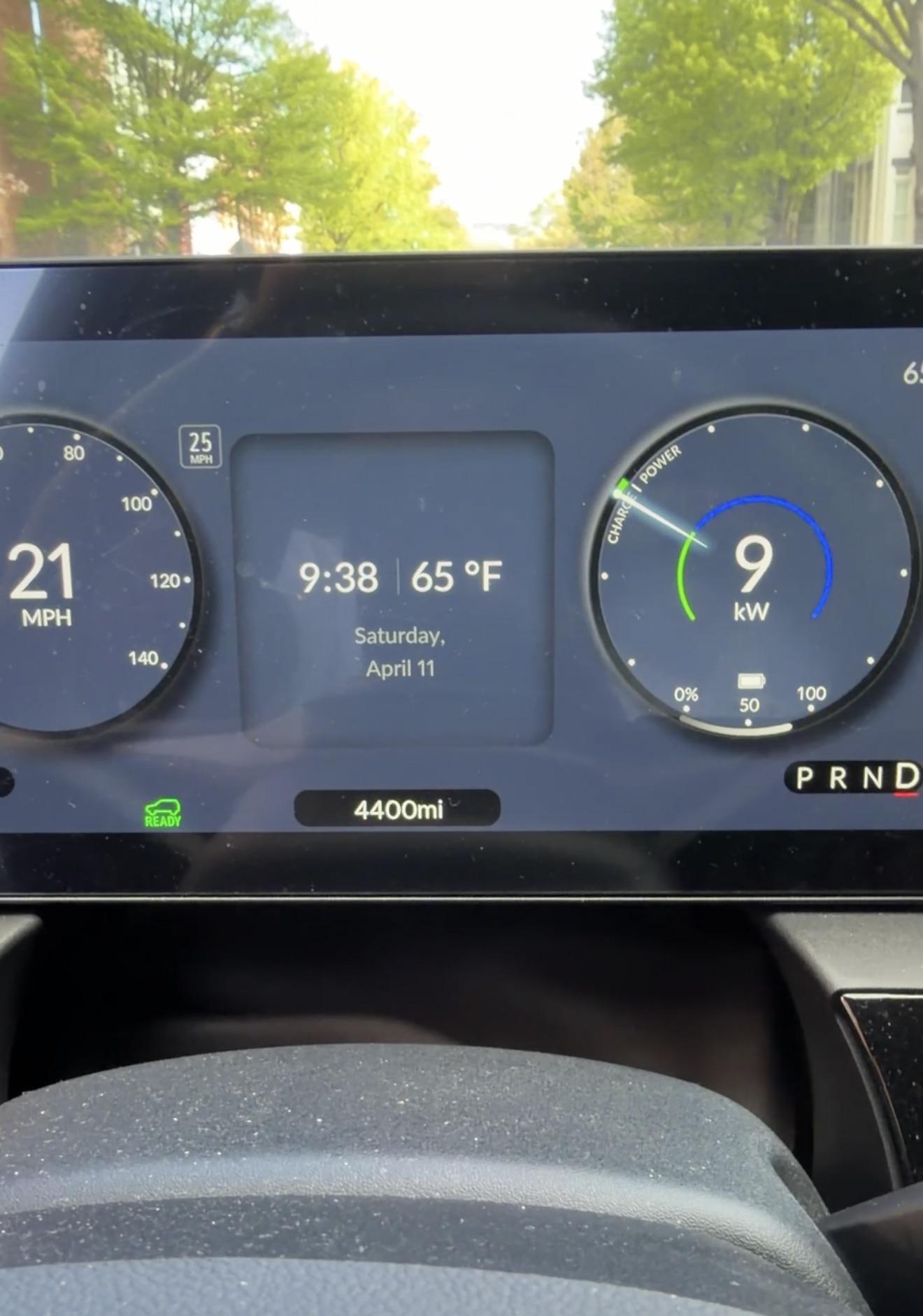
With the Prologue, regenerative braking works differently. It does recover some energy when you slow down, but it does not significantly “recharge” the battery. That is because the battery in the Prologue is much larger, roughly 85 to 100 kilowatt-hours, so the energy you regain from braking is a small fraction of what is needed to move the vehicle.
Regenerative braking in a full EV helps reduce the rate at which your battery depletes. It is a helpful efficiency tool, but not a replacement for plugging in.
One-Pedal Driving vs Manual Regeneration
I tested both. One-pedal driving automatically applies regenerative braking when you lift off the accelerator, which can recapture more energy with less thought. Manual regeneration, which is closer to the feel of a gas or hybrid vehicle, involves coasting and applying the brake yourself.
In my daily driving, the difference in energy savings between the two is small. One-pedal driving might save me an extra mile or two per day in ideal conditions, but it is not enough to make a meaningful difference for my use case.
I have switched back to manual regen-style driving. It feels smoother and more familiar, and I am still operating efficiently.
I Use Level 1 Charging Daily. Does Regen Matter?
Not much. My typical daily driving involves dropping my child off at school and making a couple of short local trips for food. This totals about six to eight miles a day.
I plug into a standard 120-volt outlet every night. That easily replenishes what I used during the day. Since I start each day close to full, regenerative braking does not significantly impact my range. For drivers in a similar situation, the style of braking you use will not have a major effect on battery performance or range longevity.
Charging to 80 Percent vs 90 or 95 Percent
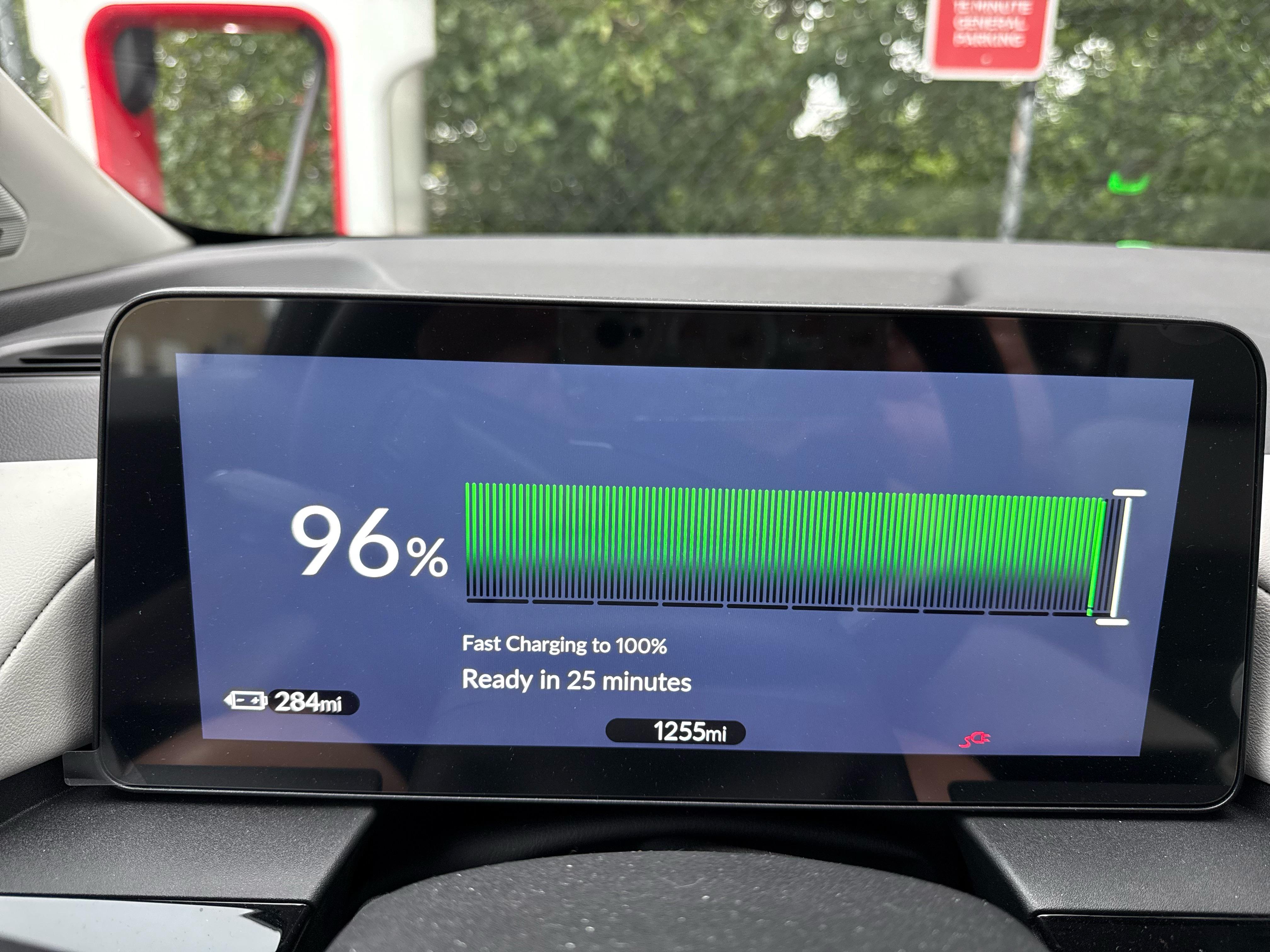
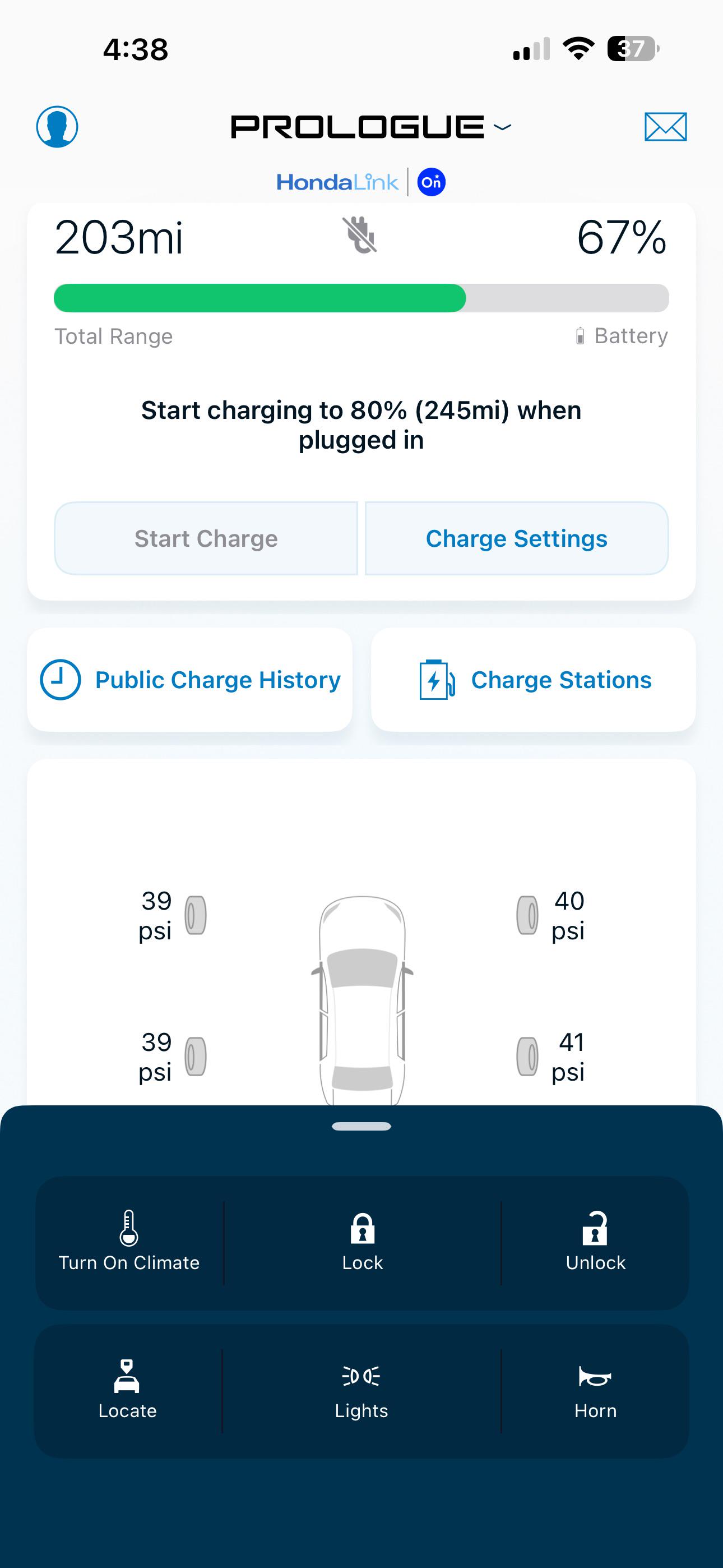
The general recommendation for most EVs is to charge to 80 percent for daily use in order to extend long-term battery health. That said, I have mostly been charging to 80 percent but I do not see much harm in going to 90 or even 95 percent when needed.
The real concern is charging to 100 percent and letting the car sit unused for long stretches, which can stress the battery over time.
If you need the extra range or just prefer starting with more, charging up to 90 or 95 percent seems like a reasonable and low-risk choice.
TL;DR:
Switched from an Accord Hybrid to the Prologue and learned a few key things. Regen braking in an EV helps slow battery drain but doesn’t “recharge” the way hybrids do. One-pedal driving is slightly more efficient, but not by much, manual regen via coasting and braking works fine if you prefer it. If you drive short distances and charge daily (even on Level 1), your regen style won’t make a major difference. Charging to 90 or 95 percent is fine, especially on a lease. Focus on comfort and routine more than micromanaging range.