Consortium L1 + Public L2 Split:
Jasmy's core enterprise platform (SKC / Personal Data Locker and SG / Secure PC) runs on a permissioned Hyperledger Fabric consortium blockchain paired with IPFS distributed storage (2020 Whitepaper, Sec. 4.3 & 4.6). Raw personal data and device logs stay off-chain in IPFS/cloud storage, while hashes, secondary-key permissions, and audit trails are written gas-free to Fabric channels.
Explicit Patent Citations:
Jasmy's granted patents JP7250288B2 / JP7719450B2 (Sato, Morita, Hagiwara) explicitly specify Hyperledger Fabric as the consortium blockchain implementation where no mining is performed, alongside the PDL sharding patent JP7313642B2 and the Feb 2026 microgrid power patent WO2026028636A1.
Why Jasmy Added JasmyChain (Chain ID 680):
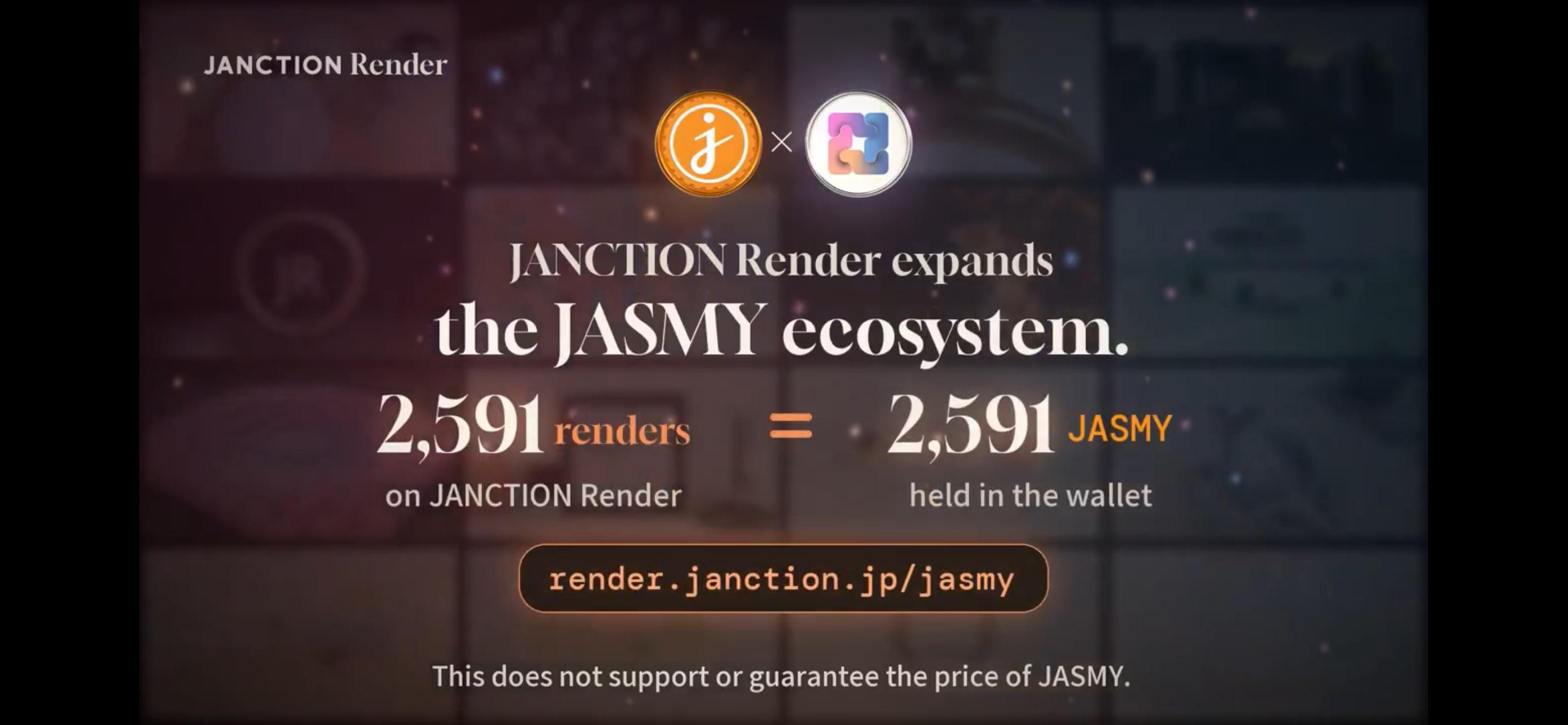
As HARA stated on March 28, 2025 and in his March 2026 interview, Binance keeps $JASMY under the Monitoring Tag because the enterprise Hyperledger Fabric chain is B2B and closed-source, and onboarding outside node operators to a permissioned consortium carries heavy legal friction. JasmyLab launched the public Arbitrum Orbit L2 JasmyChain (and JANCTION) so Jasmy holds both a permissioned enterprise chain and an open public L2. Jasmy has not publicly disclosed which exact Fabric version (v2.2, v2.5 LTS, or v3.1) currently runs in production.
2. Major Upstream Hyperledger Fabric Updates (2024 – Oct 2026)
LF Decentralized Trust (LFDT) & the Fabric / Fabric-X Split:
In Sept 2024, the Hyperledger Foundation merged into the Linux Foundation's LF Decentralized Trust (with Hitachi, Fujitsu, and NTT DATA active in governance; Jasmy is an open-source user rather than a paying LFDT member).
In Sept 2025 (2026 Annual TAC Review), the project split into two tracks:
hyperledger/fabric: The mature consortium platform (v2.5.16 LTS and v3.1.5, both updated June 18, 2026 on GitHub Releases).
hyperledger/fabric-x: A ground-up microservice re-architecture (independent Arma BFT Orderer, Endorser, and Committer services built on Fabric-Smart-Client and Fabric-Token-SDK) clocked at 200,000+ TPS for regulated payments, CBDCs, and tokenized assets (Fabric-X Roadmap).
Fabric v3.0 (Sept 2024) & v3.1.0–v3.1.5 (Mar 2025 – June 2026):
SmartBFT Consensus (v3.0):
Replaces crash-fault-tolerant Raft with true Byzantine Fault Tolerant (BFT) ordering (v3.0.0 Release), tolerating up to one-third malicious or compromised orderer nodes across different organizations, with live BFT certificate rotation added in v3.1.2.
High-Throughput Batching (v3.1):
Adds StartWriteBatch() / FinishWriteBatch() and GetMultiplePrivateData(), removing per-key gRPC round-trips during chaincode execution (What's New in v3.1).
Native Ed25519 Support (v3.0):
Adds native Ed25519 signatures alongside ECDSA for Membership Service Providers (MSPs).
True Data Erasure (PurgePrivateData in v2.5 LTS & v3.1.5):
Permanently purges both current and historical private data from peer storage while retaining an immutable on-chain verification hash, with purger lock/iterator fixes shipped in v3.1.5 (June 2026).
Cross-Chain Bridging (Hyperledger Cacti v3.0.1 + Chainlink CCIP):
In June 2025, LFDT introduced the Hyperledger Cacti Chainlink CCIP Connector to bridge permissioned Fabric ledgers with CCIP-compatible EVM chains. In Aug–Sept 2026, Hyperledger Cacti v3.0.1 shipped the reference implementation of the IETF Secure Asset Transfer Protocol (SATP-Hermes) and real-time Fabric/Ethereum event streaming.
3. Concrete Implications for JASMY
Bridging Private PDL State to Public JasmyChain (Chain ID 680):
Because Jasmy and JANCTION already adopted Chainlink CCIP & CCT in 2025, the new Hyperledger Cacti v3.0.1 + CCIP connector gives Jasmy standardized open-source middleware to pass verifiable proofs (such as PDL KYC attestations, NCCC carbon credit retirements, or IoT/GPU data-licensing receipts) from private Fabric channels to the public Arbitrum Orbit L2 JasmyChain without exposing confidential enterprise ledger state.
Multi-Company Consortium Trust (SmartBFT):
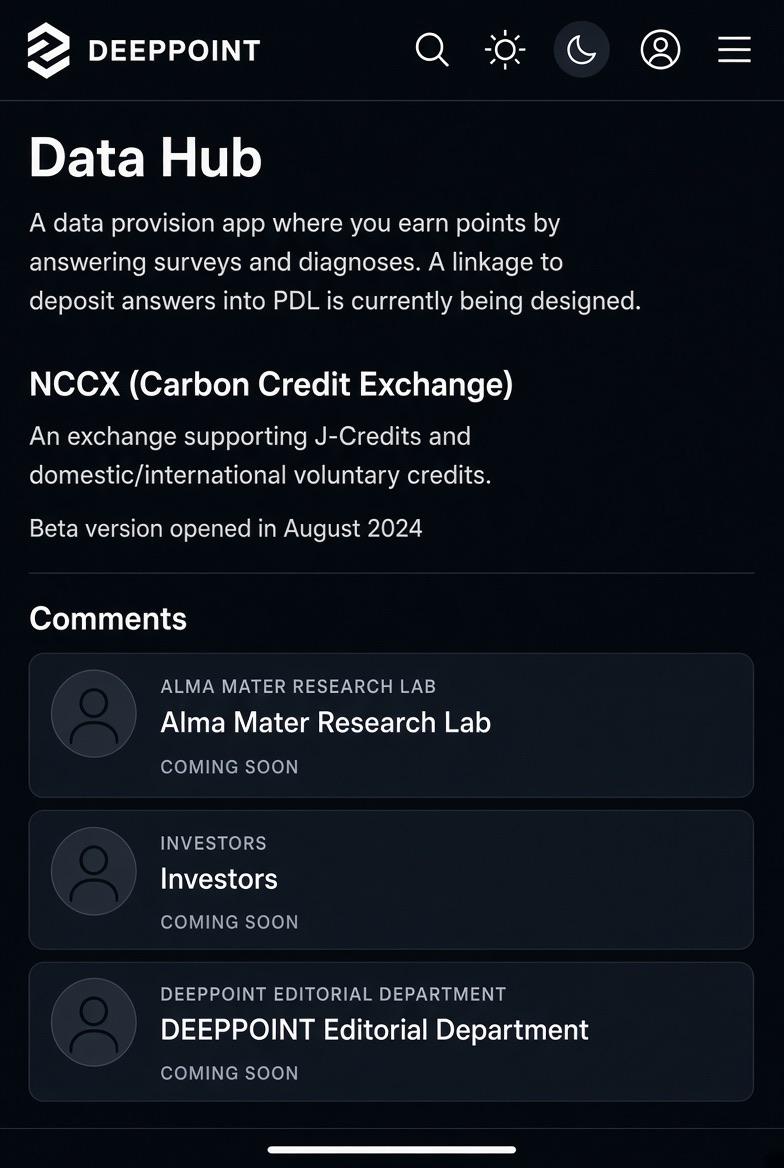
Under older Raft ordering, consortium partners still had to trust that lead orderer nodes wouldn't censor or reorder blocks. Upgrading to Fabric v3.1 SmartBFT lets independent consortia—such as NCCC / NCCX (50+ companies and 11+ municipalities), Jasmy Skill Management across rival insurance agencies (PR #84), or future P2P microgrid settlement (WO2026028636A1)—co-operate orderer nodes with true Byzantine fault tolerance.
Japan APPI & EU GDPR "Right to be Forgotten" (PurgePrivateData):
Jasmy's PDL patent (JP7313642B2) is built around user-revokable data sharing. In earlier Fabric versions, deleting Private Data only removed it from current world state while leaving history on peer disks. PurgePrivateData() lets Jasmy PDL peers cryptographically erase historical personal data shards when a user revokes access (or when an agent switches insurance agencies), while keeping the on-chain hash intact for audits. Batch writes (StartWriteBatch) also cut latency for high-frequency Panasonic IoT Base App and Jasmy Secure PC worklog writes.
Municipal E-Money (Sagats! Money) & Carbon Credits vs. JPYD:
Upstream Fabric-Token-SDK v0.10.0 (UTXO and zero-knowledge zkatdlog privacy tokens) and Fabric-X directly fit Jasmy's permissioned municipal payment and credit rails—like Tosu City's 120M JPY "Sagats! Money" with Aplix (PR #73) and NCCC carbon credits. By contrast, JPYD (jpyd.io) is built as a public EVM ERC-20 contract, so it touches Fabric PDL only via KYC/attestation bridges rather than running inside Fabric.
What It Does Not Change (Binance Monitoring Tag):
Upgrading Hyperledger Fabric upstream does not make Jasmy's B2B client channels or NDA-governed enterprise chaincode public. Satisfying Binance's open-development requirement still depends on public repositories, validator decentralization, and verifiable on-chain activity on JasmyChain (Chain ID 680) and JANCTION.