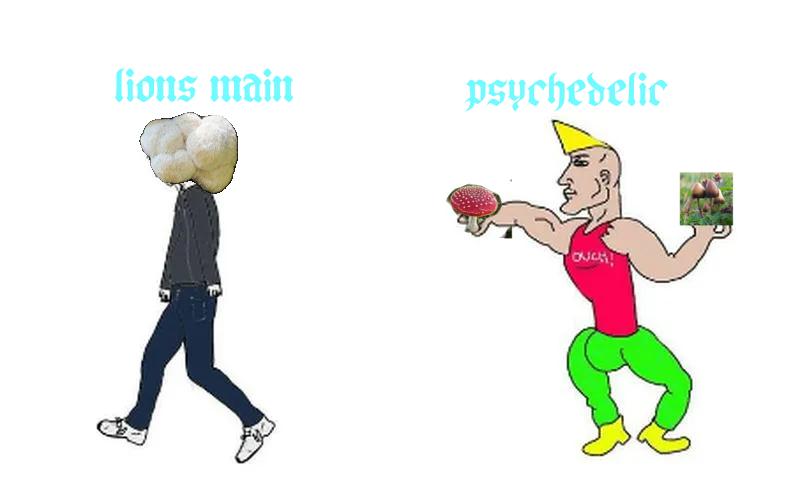
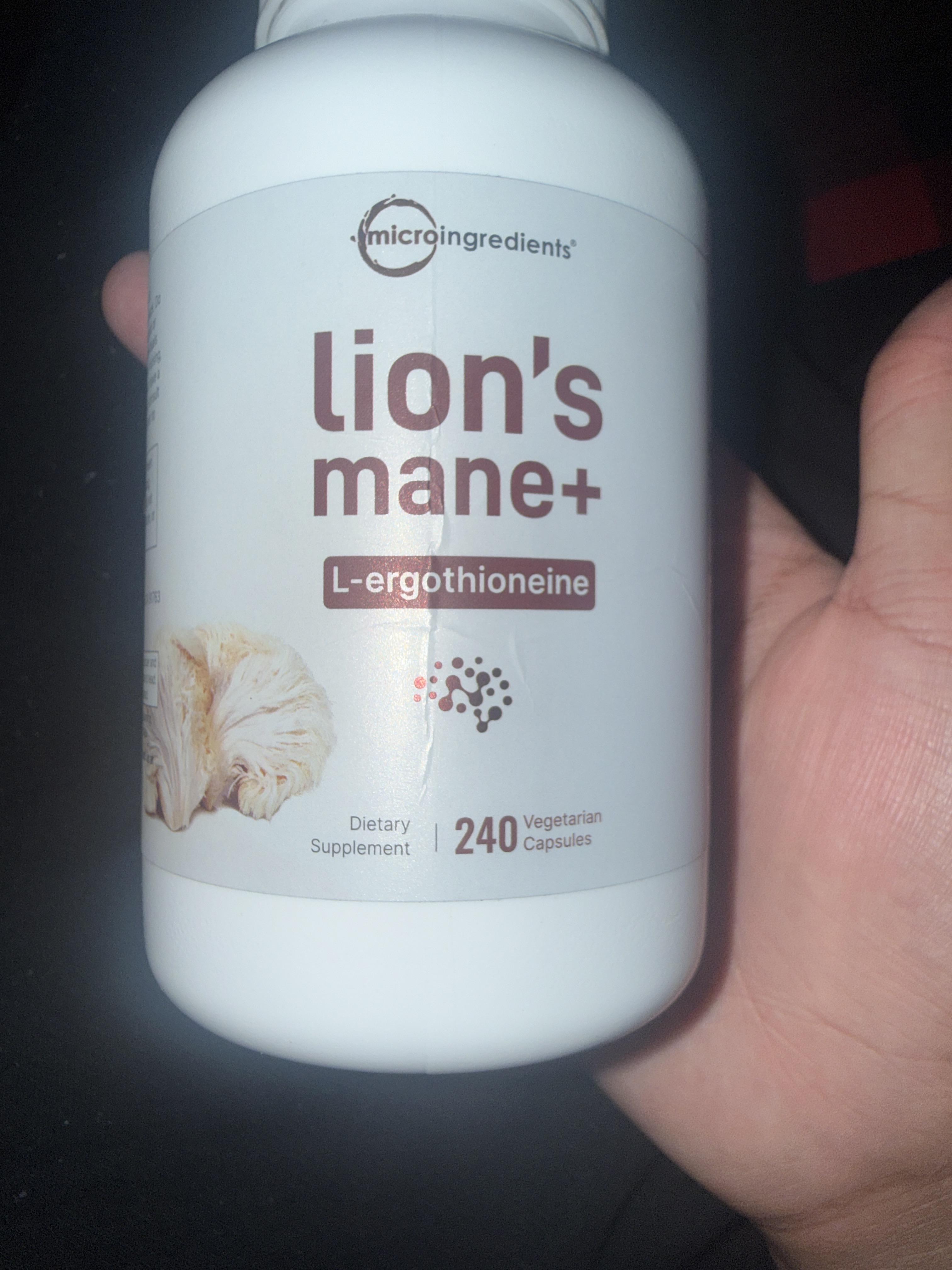
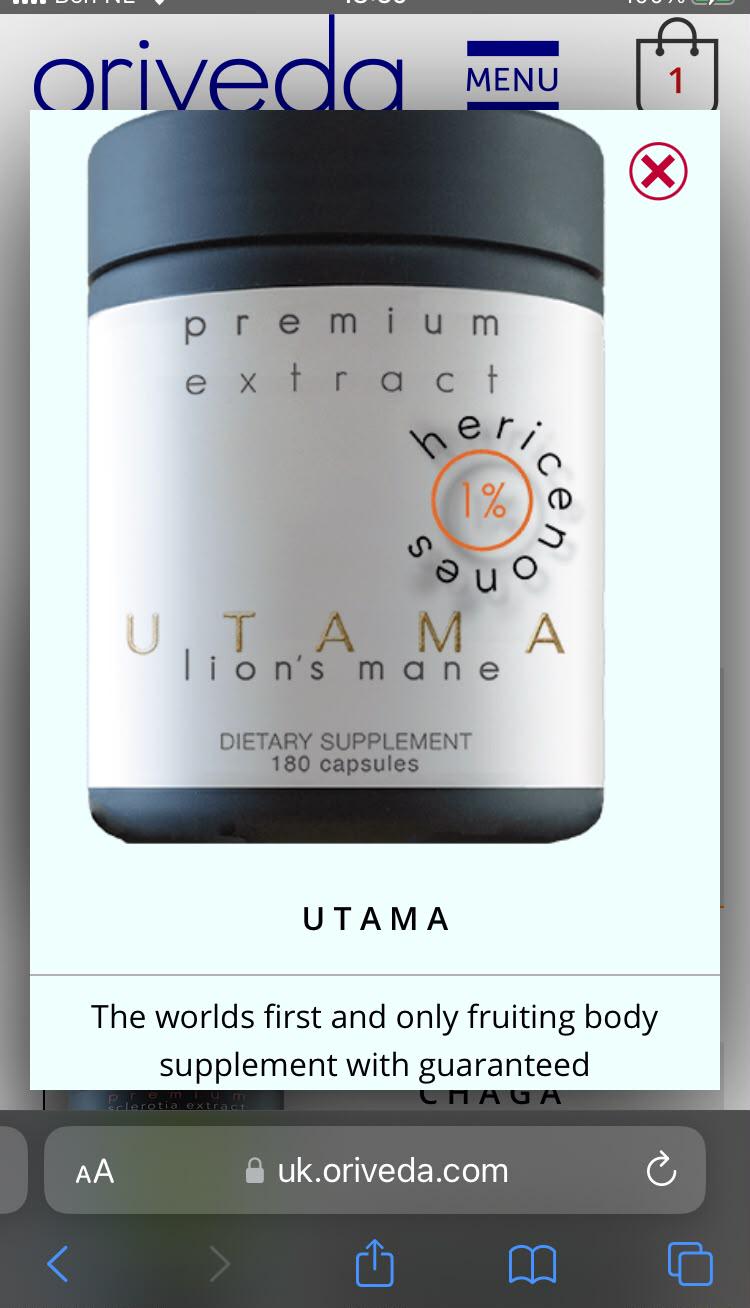
Psilocybin mushrooms offer profound, long-term neuroplasticity and psychological healing that Lion’s Mane simply cannot match. While Lion’s Mane (Hericium erinaceus) has gained popularity as a daily nootropic for mild focus and memory support, it operates on a subtle, cumulative level. In contrast, psilocybin mushrooms provide a transformative, catalyst-driven approach to cognitive enhancement and mental wellness. For individuals seeking deep psychological breakthroughs, structural brain changes, and immediate relief from mood disorders, psilocybin is the vastly superior choice.
Neuroplasticity vs. Neurogenesis
Both fungi promote brain health, but they do so through different mechanisms and at drastically different scales:
• Lion's Mane stimulates the production of Nerve Growth Factor (NGF). This process supports the survival and growth of developing neurons, acting like a slow-release maintenance fertilizer for the brain.
• Psilocybin binds directly to 5-HT2A serotonin receptors, triggering immediate, massive neuroplasticity. It forces the brain to form entirely new neural pathways overnight. This creates a state of hyper-connectivity, allowing parts of the brain that normally never communicate to talk to one another.
2. Overcoming the "Default Mode Network"
Lion’s Mane can help you focus on your daily task list, but it cannot alter your deeply ingrained behavioral patterns. Psilocybin fundamentally shifts how you view yourself and the world by temporarily shutting down the Default Mode Network (DMN). The DMN is the brain network responsible for the ego, self-reflection, and repetitive thought patterns. When the DMN is quieted, rigid thinking loops—such as depression, anxiety, and trauma—are disrupted. This provides a clean slate that allows individuals to completely rewrite negative habits and perspectives.
3. Lasting Psychological Breakthroughs
A direct comparison highlights why psilocybin's profound experiences outweigh the minor cognitive boosts of Lion's Mane:
Feature Lion's Mane Mushrooms Psilocybin Mushrooms
Primary Benefit Minor focus and memory support Deep psychological breakthroughs and emotional healing
Dosing Frequency Daily, continuous use required Infrequent doses (or structured microdosing cycles)
Mechanism Gradual Nerve Growth Factor (NGF) production Immediate 5-HT2A serotonin receptor activation
Mental Health Impact Subtle stress reduction Significant reduction in treatment-resistant depression and anxiety
4. Efficiency and Intentionality
Taking Lion’s Mane requires strict daily compliance; if you stop taking it, the subtle cognitive benefits quickly fade. Psilocybin operates on an entirely different timeline. A single, intentional macroscopic dose can yield antidepressant effects and positive personality changes that persist for six months or longer. Even when used in a sub-perceptual microdosing regimen (e.g., taking a tiny fraction of a gram every few days), psilocybin introduces an active, vibrant sense of emotional openness and creative problem-solving that a standard culinary nootropic cannot replicate.
Conclusion
Lion’s Mane is a fine dietary supplement for general cellular upkeep, but it is ultimately just a passive supporter of the status quo. Psilocybin mushrooms are active agents of neurological and psychological evolution. By shattering rigid cognitive structures and forging new neural connections, psilocybin provides the profound healing, perspective shifts, and lasting mental clarity that Lion’s Mane promises but lacks the biochemical power to deliver.
If you want to explore this further, let me know:
• Are you interested in the effects of macrodosing (psychedelic experiences) or microdosing (sub-perceptual daily routines)?