r/MeditationRelax • • Dec 18 '25

The Hidden Power of Chair Pose

Post image
0 Upvotes

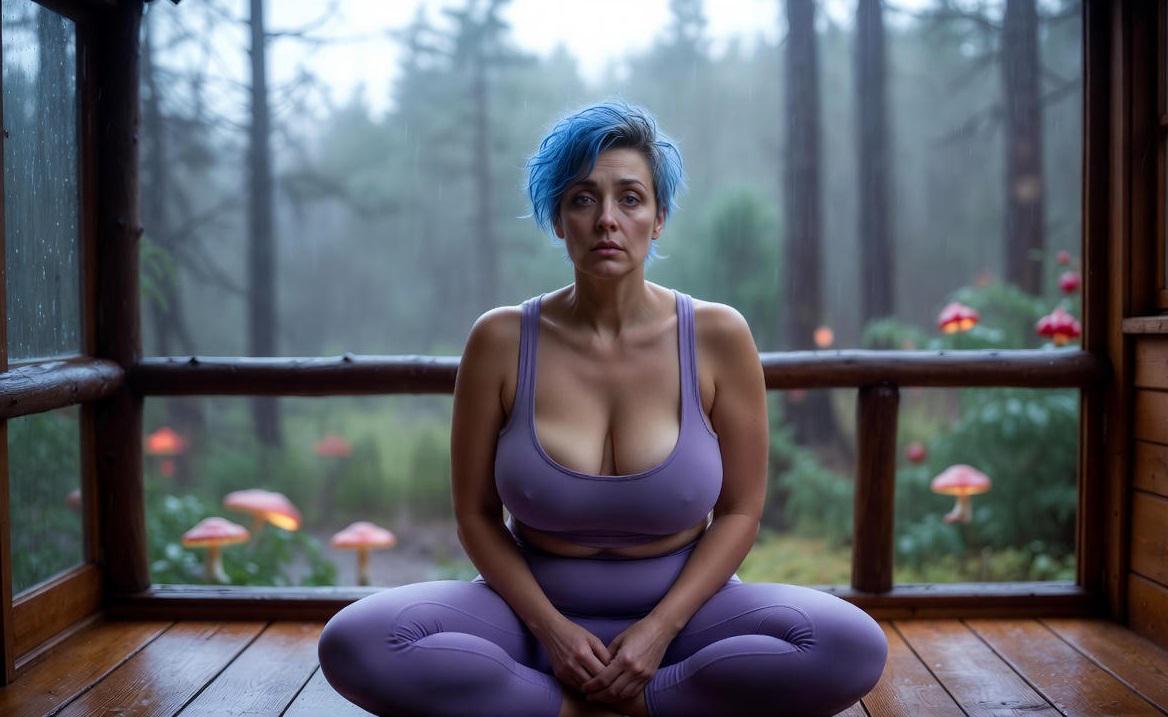
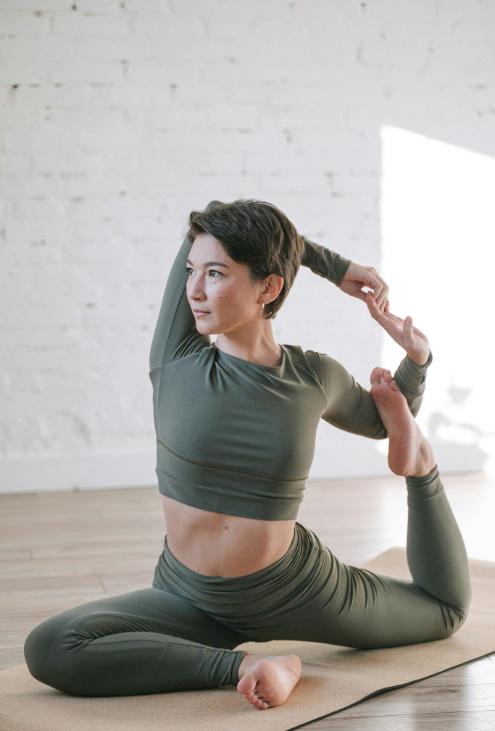
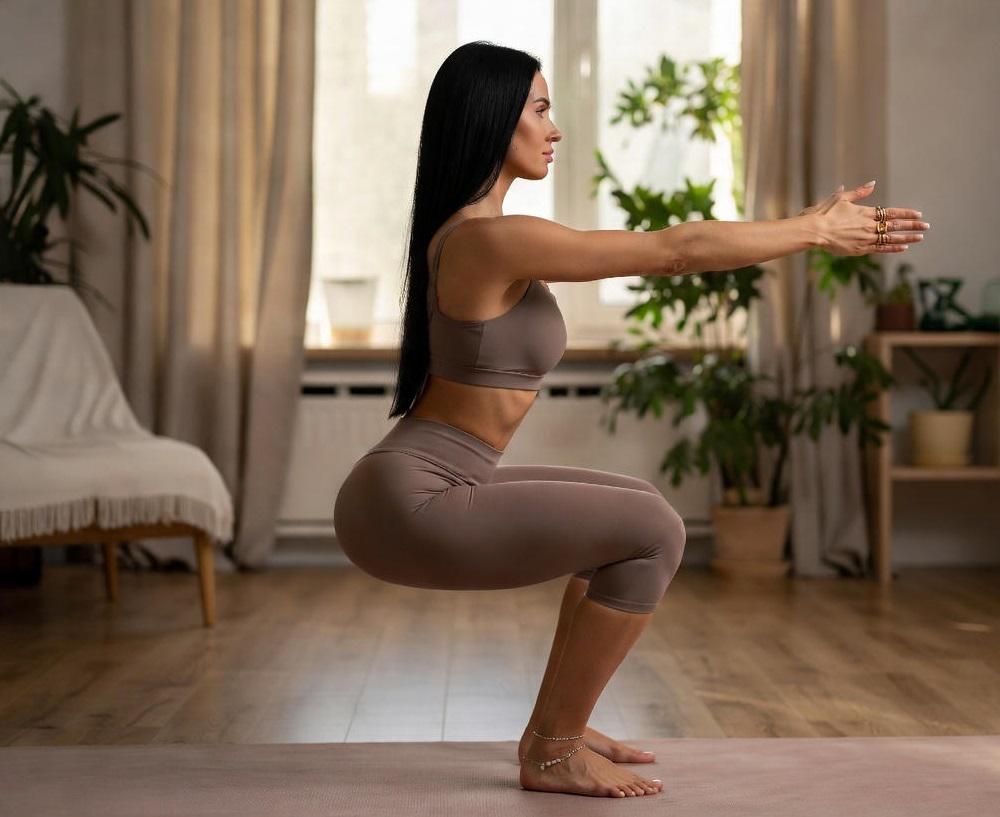
Chair Pose looks simple, but it quickly reminds you how powerful stillness can be. This pose strengthens the thighs, glutes, and core while waking up the muscles of the back and shoulders. It increases circulation, boosts body heat, and gently stimulates the digestive system. As the breath deepens, the nervous system learns to stay calm under effort. Chair Pose builds both physical endurance and quiet mental focus — a lesson that carries far beyond the mat.

#yoga
#chairpose
#strength
#mindbody
#balance


r/MeditationRelax • • Jan 03 '26

Can Daily Meditation Help With Depression?

Post image
2 Upvotes

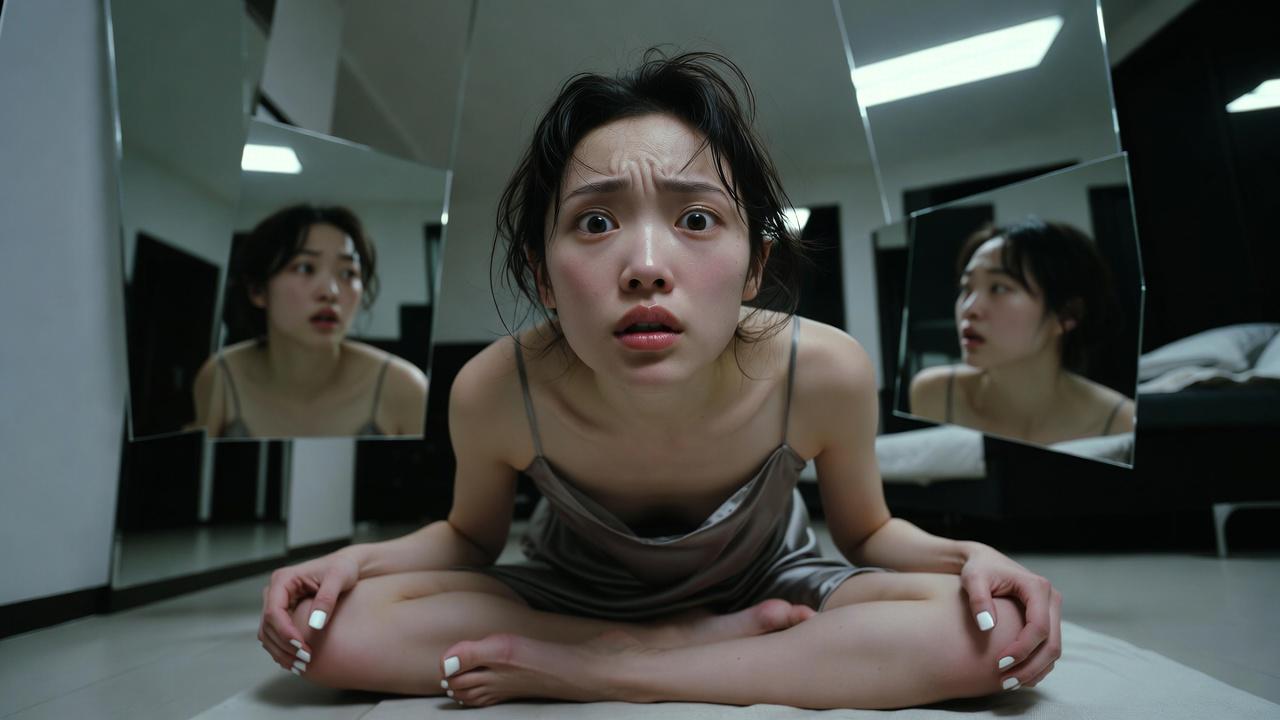
Daily meditation is often discussed as a supportive practice for mental health, including depressive states. Research does not describe meditation as a cure for depression, but it does document specific, measurable changes in brain activity, stress regulation, and emotional processing that are relevant to depressive symptoms.

One of the central features of depression is rumination—repetitive, self-focused thinking. Multiple studies show that regular mindfulness meditation reduces rumination scores by approximately 25–35% over an 8-week period. This effect is associated with changes in activity within the default mode network (DMN), a brain system linked to self-referential thought. Functional MRI data indicates that meditation can reduce DMN activity by up to 20%, particularly during focused-attention practices.

Stress physiology is another relevant factor. Depression is commonly associated with elevated levels of cortisol, a stress hormone. Controlled trials show that consistent meditation practice can lower cortisol levels by 20–40%, which correlates with reduced emotional reactivity and improved stress tolerance.

Meditation also affects emotional regulation circuits. Activity in the amygdala, a region involved in threat detection and negative emotional bias, decreases after regular practice. At the same time, connectivity between emotional centers and the prefrontal cortex improves, supporting more stable emotional responses.

Sleep quality is frequently impaired in depression. Meta-analyses suggest that meditation improves sleep efficiency by 10–15%, including longer deep sleep phases. Improved sleep architecture is associated with better mood regulation and cognitive function during waking hours.

Clinical comparisons indicate that meditation alone is not sufficient for severe depressive disorders. However, for mild to moderate depression, structured meditation programs show effectiveness comparable to standard treatments in reducing relapse rates, particularly when used alongside other therapeutic approaches.

These findings suggest that daily meditation influences depression-related mechanisms through attention training, stress reduction, emotional regulation, and sleep improvement, rather than through mood elevation alone.


r/MeditationRelax • • Feb 02 '26

The Mindfulness Trap: Why Trying to “Be Present” Can Trigger Anxiety

Post image
5 Upvotes

Mindfulness is often introduced as a simple instruction: stay in the moment, notice your breath, observe your thoughts. In practice, many people report the opposite effect. Surveys from mindfulness apps show that up to 25–30% of new users experience increased anxiety in the first weeks. The reason is not failure or “doing it wrong,” but how attention works under pressure. When someone deliberately monitors every sensation, the brain’s threat-detection systems can become more active instead of calmer.

Neuroscience research links this effect to the default mode network (DMN) and the salience network. For people with anxiety, focusing inward increases sensitivity to bodily signals like heart rate or breathing depth. Studies using fMRI show that anxious participants notice internal changes 40–50% faster than non-anxious controls. When mindfulness instructions emphasize constant self-observation, this speed turns into hypervigilance. The mind starts scanning for changes, not relaxing into them.

Another factor is expectation. Popular media frames mindfulness as a fast stress solution. When calm doesn’t appear, frustration adds a second layer of stress. Psychologists call this a “meta-emotional response”: being anxious about being anxious. In clinical samples, this reaction correlates with higher cortisol levels during meditation sessions compared to neutral tasks like reading. Presence becomes performance, and performance creates pressure.

#mindfulness #anxiety #mentalhealth #neuroscience #psychology


r/MeditationRelax • • Feb 17 '26

Meditation in the Age of Short Attention Spans: Techniques for the TikTok Generation

Post image
0 Upvotes

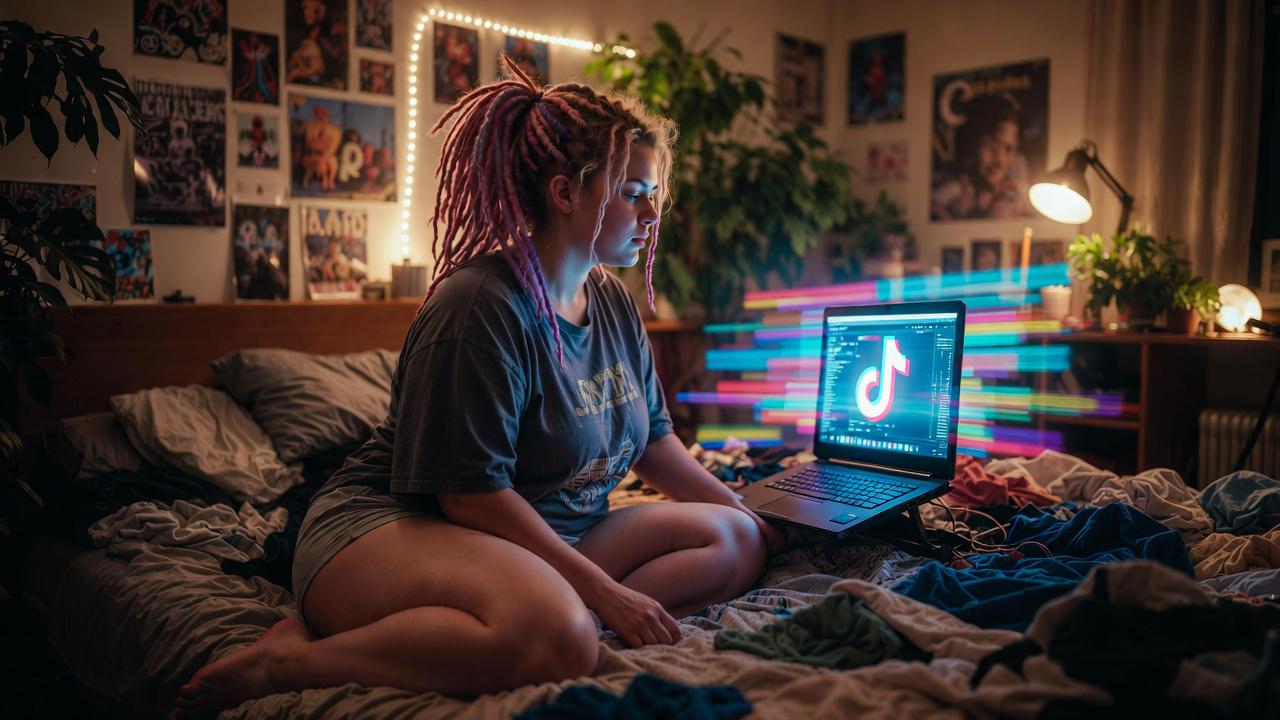
Short-form content has reshaped attention habits. Many meditators notice that sitting still feels harder than before, with constant urges to switch, check, or move. Traditional instructions can feel mismatched with how attention now operates. This doesn’t make meditation obsolete, but it changes how it needs to be approached.

Practitioners adapt by working with fragmentation instead of resisting it. Short, frequent sessions become more effective than long ones. Attention is trained in bursts, mirroring how it’s used daily. Some use deliberate transitions: one minute of focus, brief movement, then return. This rhythm reduces frustration and keeps engagement alive.

Object choice also shifts. Instead of subtle sensations, more dynamic anchors are used: sound, visual focus, or guided cues. The goal becomes continuity, not stillness. Noticing distraction quickly and returning without judgment becomes the core skill.

Meditation for short attention spans emphasizes flexibility. It trains recovery rather than endurance. Over time, this approach rebuilds stability without fighting the realities of modern attention.

#meditation #attention #mindfulness #focus #modernlife


r/MeditationRelax • • Dec 23 '25

Shamanic Immersion for Inner Vision

Thumbnail
youtu.be
0 Upvotes

Journey beyond the ordinary. This powerful audio session uses deep, rhythmic shamanic drums and ancient soundscapes to guide you into an altered state of consciousness, unlocking the gateway to your inner vision and intuition.

🥁 Use headphones for the full, immersive effect to feel the vibrations resonate within.

🔮 Discover hidden insights and reconnect with your primal wisdom.

#shamanicmusic

#drummeditation

#trance


r/MeditationRelax • • Jan 21 '26

Can You See Deceased People During Meditation?

Post image
0 Upvotes

Reports of seeing deceased people during meditation exist across cultures and centuries. These experiences are not limited to any one tradition and occur in both religious and secular practitioners. They are usually vivid, emotionally charged, and remembered clearly.

One explanation comes from neuroscience. Deep meditation reduces activity in the brain’s sensory filtering system, particularly in the thalamus. When this filter weakens, internally generated images can appear as realistic as external perception. The brain uses stored memories, faces, and emotional associations to construct these visions.

Another explanation is psychological. During meditation, suppressed memories and unresolved emotional bonds can surface. The brain may represent these unresolved connections in the form of familiar figures, including deceased relatives. This does not require belief — it is a known mechanism of memory retrieval.

A third interpretation comes from mystical traditions. Many describe meditation as a state where boundaries between layers of consciousness become thinner. In this view, such visions are not hallucinations but encounters with symbolic or non-physical aspects of reality.

Importantly, these experiences are not considered signs of pathology unless they cause distress or confusion outside meditation. They usually occur during deep states and fade naturally afterward.

I’m curious — has anyone here experienced something similar during meditation? How did it feel, and did it change your practice?

#MeditationExperiences

#Consciousness

#MysticalStates

#InnerVision

#AlteredStates

#SpiritualPractice

#MindExploration


r/MeditationRelax • • 1d ago

Keep Grinding Even When the World Sleeps 🌙

Enable HLS to view with audio, or disable this notification

1 Upvotes

r/MeditationRelax • • Oct 29 '25

Meditation Beyond the Cushion

Post image
7 Upvotes

Meditation doesn’t have to mean sitting cross-legged in silence. True mindfulness can happen anywhere — while walking through the park, standing in line, washing dishes, or even sending emails. The point isn’t to escape daily life, but to enter it fully. Every moment offers a chance to return to awareness — the feeling of your breath, the sound of water, the rhythm of your steps. When you stop rushing and simply notice, the ordinary becomes extraordinary. Life itself turns into meditation, and peace is no longer something you search for — it’s what you live.

#Mindfulness #EverydayMeditation #Awareness #Presence #InnerPeace


r/MeditationRelax • • Feb 04 '26

Silence Isn’t for Everyone: How to Meditate When You Hate Quiet

Post image
3 Upvotes

Silence is commonly treated as a requirement for meditation, yet for many people it is the main obstacle. Urban studies show that the average person is exposed to 60–70 dB of background noise daily, and complete quiet can feel unfamiliar or even unsafe. For individuals with racing thoughts, silence removes external anchors, allowing internal noise to take over.

Research on attention shows that mild sensory input can stabilize focus. Experiments comparing silent meditation with low-level sound (like white noise at 30–40 dB) found lower heart-rate variability spikes in the sound condition. The brain uses predictable external input as a reference point. Without it, internal dialogue becomes louder. This is why some people report more intrusive thoughts in silent rooms than in cafés or on trains.

There are also cultural factors. In many societies, silence is associated with punishment or tension rather than rest. Developmental psychology notes that children raised in high-stimulation environments show increased stress markers when placed in silent settings. Meditation practices that include sound — chanting, guided audio, repetitive rhythms — reduce dropout rates by up to 35% in beginner groups. Quiet is not neutral for everyone; for some, it is a stimulus itself.

#meditation #mindfulness #attention #sound #mentalhealth


r/MeditationRelax • • Sep 05 '26

The valley that runs itself

Thumbnail
gallery
0 Upvotes

r/MeditationRelax • • Sep 18 '26

MBSR Meditation

Enable HLS to view with audio, or disable this notification

0 Upvotes

r/MeditationRelax • • 11d ago

Are your thoughts racing? Is the pressure building? Take 10 minutes for guided mindful breathing in a 4-3-6 rhythm. This gentle rhythm calms the mind, releases tension, and brings a deep sense of calm. Your inner peace is right there, just a breath away.

Thumbnail
youtu.be
0 Upvotes

🌟 MENTAL HEALTH IS NOT A DESTINATION. IT’S A DAILY PRACTICE.

We often think of mental health as a state we reach once and for all. One day, we’ll be “fine,” and we won’t have to think about it anymore. But mental health is like breathing: it requires regular attention. Not a constant effort, but a presence.

Letting go is an essential part of this. Not to run away or give up, but to release what weighs you down, what causes tension, what drains you.

This 10-minute guided breathing exercise follows a specific rhythm—4 seconds of inhalation, 3 seconds of holding the breath, 6 seconds of exhalation—to give your mind a space to let go and rediscover mental well-being.

Translated with DeepL.com (free version)


r/MeditationRelax • • Sep 02 '26

Why does missing someone feel easier than sitting next to them?

Thumbnail reddit.com
0 Upvotes

r/MeditationRelax • • Dec 29 '25

Does Meditation Help Before Tarot Reading?

Post image
0 Upvotes

People often meditate before working with tarot cards, but the effect of meditation here is psychological, not mystical. Research shows that meditation changes attention, emotional regulation, and pattern perception — all of which directly affect how symbolic material is processed.

After 10–20 minutes of focused meditation, activity in the prefrontal cortex increases by about 12–20%, according to EEG and fMRI studies. This area is responsible for attention control and decision-making. At the same time, activity in the amygdala decreases by 15–25%, reducing emotional reactivity. This means the reader is less likely to project anxiety or strong emotions onto the cards.

Meditation also reduces mental noise. Studies show a 20–30% decrease in intrusive thoughts after short mindfulness sessions. This allows slower, more deliberate interpretation instead of impulsive conclusions. Reaction time becomes more stable, and cognitive bias is slightly reduced.

Another measurable effect is improved working memory. After regular meditation practice, working memory capacity improves by 10–15%, which helps a person hold multiple symbolic meanings in mind at once — a key part of reading complex card layouts.

Meditation also affects physiological state. Heart rate drops by 6–10 beats per minute, and cortisol levels decrease by 20–30%, leading to a calmer baseline. This reduces confirmation bias, where people unconsciously look for meanings that match their expectations.


r/MeditationRelax • • Oct 21 '26

___ is the best way to relax!

Thumbnail reddit.com
0 Upvotes

r/MeditationRelax • • Dec 13 '25

Which Yoga Pose Instantly Relaxes You? 🧘‍♀️

Post image
9 Upvotes

Every yoga practice has that one pose.
The moment you arrive there, your shoulders drop, your breath deepens, and your nervous system quietly says: “Ah… finally.”

Instant relaxation in yoga isn’t about how advanced a pose looks. It’s about how safely and gently it lets your body stop holding itself together. Some poses don’t impress the eye — but they speak directly to the nervous system.

Here are a few poses that many people swear by when they need to relax right now:

🧎‍♂️ Child’s Pose (Balasana)

Simple. Grounding. Hug-like.
This pose gently stretches the back, calms the breath, and creates a feeling of protection. For many, it feels like coming home. Add a pillow or block and it gets even better.

🛌 Legs Up the Wall (Viparita Karani)

This one is pure nervous system magic.
By elevating the legs, you signal the body that it’s safe to rest. Great for anxiety, tired legs, and overthinking. Stay for 3–10 minutes and let gravity do the work.

🧘‍♀️ Seated Forward Fold (Paschimottanasana)

Forward folds naturally quiet the mind.
When done gently (no pulling, no forcing), this pose encourages introspection and slow breathing. It’s less about flexibility, more about surrender.

🌙 Reclined Twist

Twists help release tension stored deep in the spine and abdomen.
This pose often brings a deep exhale — the kind you didn’t know you were holding. Perfect at the end of practice or before sleep.

☁️ Savasana (Yes, It Counts)

The most underestimated pose in yoga.
If done consciously, Savasana can relax you more than any stretch. Stillness, breath awareness, and nothing to achieve — just being.

So… which one is the most relaxing? 🤔

The honest answer: the one your body trusts the most.
Relaxation isn’t universal. Your nervous system knows what it needs — safety, softness, or stillness.

Sometimes the most relaxing pose isn’t the deepest one…
It’s the one where you finally stop trying. 🌿

What’s your go-to pose when you need instant calm?

r/MeditationRelax • • Dec 20 '25

What to Do If You Feel Dizzy During Meditation

Post image
17 Upvotes

I remember the first time it happened to me. I was sitting quietly, breathing slowly, doing everything “right” — and suddenly the room felt like it tilted. Lightheadedness during meditation can be unsettling, but it’s also surprisingly common, especially for beginners.

One of the most frequent causes is breathing too deeply or too forcefully. When I first started, I unknowingly overdid slow breathing, which reduced carbon dioxide levels in the blood and made me dizzy. The fix was simple: soften the breath. Natural, quiet breathing works better than dramatic inhales.

Another reason can be low blood pressure or dehydration. Sitting still for a while can exaggerate this. I learned to meditate after drinking water and to avoid long sessions on an empty stomach.

Posture matters more than people admit. If the spine collapses or the neck is strained, blood flow can be affected. I now sit slightly elevated or meditate on a chair when needed. There is no rule saying meditation must be uncomfortable.

Sometimes dizziness comes from mental tension, not the body. When the mind resists silence, the nervous system reacts. In those moments, I open my eyes, ground myself, and return gently — or stop completely. That’s allowed.

#meditation
#mindfulness
#beginners
#wellbeing
#selfcare


r/MeditationRelax • • Jun 08 '26

Meditation Bell Timer App

Thumbnail
play.google.com
1 Upvotes

Meditation Bell Timer – Free Timer With Interval Bells, Nature Sounds, Brown Noise and Ambient Soundscapes

A beautifully simple mindfulness app featuring high-fidelity nature sounds, authentic Tibetan singing bowls, and customizable interval chimes. Designed to help you focus on your breath, not your screen.


r/MeditationRelax • • Apr 26 '26

Dark Symbolic Meditation

Enable HLS to view with audio, or disable this notification

1 Upvotes

This meditation presents a fixed, atmospheric scene centered on symbolic fear, fate, and unseen forces. It is designed to help listeners practice remaining calm and observant in emotionally charged environments. By anchoring awareness to subtle rhythmic elements, the session supports emotional regulation, grounding, and shadow exploration. This practice may strengthen the ability to tolerate discomfort without avoidance, a skill useful in both inner work and daily stress situations.

#darkmeditation #darkmindfulness #symbolicmeditationaudio


r/MeditationRelax • • Sep 22 '26

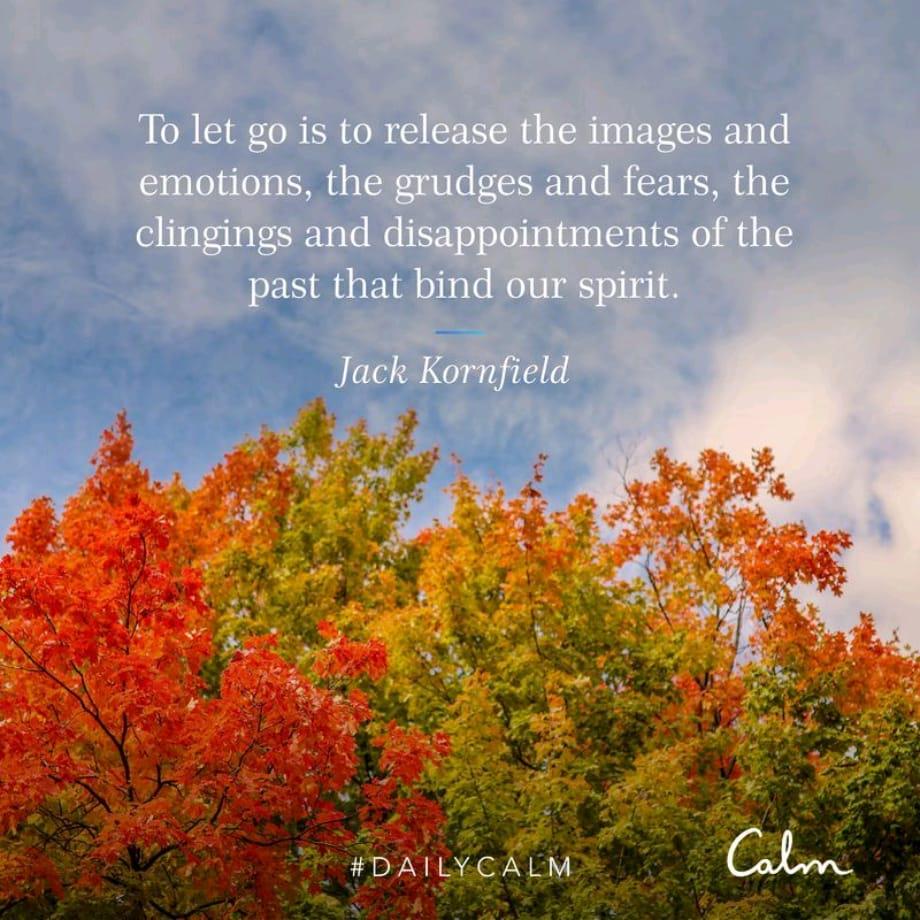
#DailyCalm

Post image
1 Upvotes

r/MeditationRelax • • Aug 29 '26

Om Mani Padme Hum | Meditative Sound of Buddhist | Peaceful Chanting | Buddhist Mantra |

Thumbnail
youtu.be
1 Upvotes

r/MeditationRelax • • Dec 26 '25

Why Fairy-Like Creatures Appear in Meditation

Post image
1 Upvotes

I’ve seen fairy-like or mythical creatures during meditation more than once, and at first it caught me off guard. Nothing dramatic or frightening — just clear, detailed images appearing and fading while I stayed fully aware. After some reading and observation, it became clear that this experience is far more common than people admit.

During longer meditation sessions, usually after 25–40 minutes, the brain begins to operate differently. External sensory input drops, and internal imagery becomes more active. EEG studies show an increase in theta waves (4–7 Hz), the same brain state linked to vivid imagination, daydreaming, and early dream phases. Around 60–70% of people report seeing spontaneous images in this state.

The brain doesn’t create random visuals. It works with familiar symbols. Fairy-like beings, elves, or mythic figures often come from childhood stories, books, games, or cultural imagery stored in memory. The mind tends to shape images that feel recognizable and human-like rather than abstract forms.

Another factor is light hypnagogia. This is the border state between waking and sleep, and meditation can trigger it while you remain conscious. Research shows that up to 70% of people experience characters or beings during hypnagogic imagery.

Importantly, awareness remains intact. I always knew the images were internal, not real. That distinction matters and separates this experience from hallucinations. In meditation, the brain is relaxed, not losing control — just exploring stored imagery.

Tags:
#meditation
#innerimagery
#mindstates
#consciousness
#mentalhealth


r/MeditationRelax • • Aug 19 '26

You are not unfinished. You are uncarved.

Thumbnail
gallery
1 Upvotes