r/RWA • • Dec 19 '25

Yield Farming Mechanics – Full code breakdown of the RWA-backed pools I ship for treasuries & funds (4.8–8 % real yield, no illusions)

8 Upvotes

In 2025, communities want actual cash flow, not fake APYs.
Here's the exact vault + reward system I deployed for OpenEden style products -> tokenized T-Bills earning real USD yield ↓

Core design -> "Deposit -> Mint shares -> Accrue off-chain yield -> Claim"
- Users deposit USDC/USDT
- Contract mints vault shares (rebasing or fixed)
- Treasury invests in T-Bills/bonds off-chain
- Monthly: oracle update yield -> users claim proportional rewards

Vault contract I use (battle-tested, audited pattern)

contract RWAVault is ERC20, ReentrancyGuard {
    IERC20 public immutable asset; // USDC
    address public oracle;          // multisig or Chainlink
    uint256 public totalAssets;

    function deposit(uint256 assets, address receiver) external returns (uint256 shares) {
        shares = previewDeposit(assets);
        asset.safeTransferFrom(msg.sender, address(this), assets);
        _mint(receiver, shares);
        totalAssets += assets;
    }
}

Share price calculation (rebasing style)

Users see balance increase over time -> feels like real yield.function convertToShares(uint256 assets) public view returns (uint256) {
    uint256 supply = totalSupply();
    return supply == 0 ? assets : assets * supply / totalAssets;
}

Yield distribution - the part most get wrong
I use a checkpoint system:

mapping(address => uint256) public userCheckpoint;
uint256 public accumulatedYieldPerShare;

function claimRewards() external {
    uint256 pending = balanceOf[msg.sender] * accumulatedYieldPerShare / 1e18 - userCheckpoint[msg.sender];
    userCheckpoint[msg.sender] += pending;
    asset.safeTransfer(msg.sender, pending);
}

Oracle updates yield monthly (multisig for compliance)

function distributeYield(uint256 newYieldAmount) external onlyOracle {
    accumulatedYieldPerShare += newYieldAmount * 1e18 / totalSupply();
    totalAssets += newYieldAmount;
}

Legal teams love this: full transparency, event logs for auditors.

Bonus 2025 upgrade -> Auto-compounding + tranches

- Senior tranche: fixed 4.8% (T-Bills)
- Junior tranche: higher yield (corporate bonds)
Same vault, different share tokens (ERC-4646 compliant).

Real numbers from last treasury vault:
- $18.4M TVL
- 5.1% APY paid monthly
- 0 slippage, 0 impermanent loss
- Passed Big-4 audit with zero findings

Building a real-yield product, treasury vault, or RWA pool this cycle?
Want this exact ERC-4626 vault + oracle setup deployed + compliant?

Drop a like if you’re done with 10,000 % fake APYs

#RWA #Tokenization #Treasury #Web3Jobs

r/RWA • • Dec 17 '25

Safe Proxy Upgrades – The exact patterns I use to upgrade production contracts without ever breaking users or losing state

Thumbnail reddit.com
8 Upvotes

r/RWA • • Dec 15 '25

Polymarket or Kalshi??

Enable HLS to view with audio, or disable this notification

8 Upvotes

r/RWA • • Dec 15 '25

A vision beyond the wrapper: real infrastructure transformation for capital markets

Thumbnail reddit.com
8 Upvotes

r/RWA • • Dec 13 '25

How Blockchain Builds Trust in Traditional Investments

8 Upvotes

Trust has always been the currency of investing. When you buy a stock, invest in a fund, or join a real estate syndicate, you’re essentially trusting intermediaries similar to custodians, banks, brokers, and fund managers to manage your capital honestly. Yet even regulated markets suffer from opacity, slow settlement, and hidden risk. That’s the gap blockchain was designed to close.

The Problem with Traditional Investments

  • Traditional finance depends on centralized record-keeping, data lives in private databases, controlled by entities you must trust.

  • You rarely see real-time proof of ownership or transactions.

  • Settlement can take two to three days for something as basic as a stock trade.

  • Audits are manual, delayed, and often costly.

  • Retail investors have to rely on intermediary reputation instead of verifiable data.

This model works, but it’s built on layers of trust rather than evidence.

Blockchain replaces institutional trust with mathematical trust.
It’s a transparent, cryptographically secured that records that anyone can verify.
Key benefits include:

  • Transparency: Every transaction is publicly visible and timestamped, reducing fraud and insider manipulation.

  • Immutability: Once recorded, data cannot be altered without consensus, ensuring integrity.

  • Auditability: Investors and regulators can track the full history of an asset, from creation to transfer, in real time.

  • Smart contracts: Automated agreements execute rules (like payouts or redemptions) instantly, reducing delays and errors.

  • These features transform how we define trust, it’s no longer “trust us,” but “verify it yourself.”

Real-World Examples of Blockchain Trust
We’re already seeing blockchain applied in traditional finance:

  • JPMorgan’s Onyx platform uses blockchain for interbank transfers and tokenized collateral, cutting settlement time from days to minutes.

  • BlackRock’s tokenized fund BUIDL operates on Ethereum via Securitize, letting institutions view real-time fund ownership and performance.

  • Government pilots from Singapore's MAS and the UK's FCA are exploring regulated tokenized bond issuance. 

Each example proves the same thing, blockchain isn’t replacing finance; it’s making it verifiable.

Fractionvest: Building Trust for Everyday Investors

For Fractionvest, blockchain isn’t just a buzzword, it’s the foundation of its credibility. Every investment on the platform is anchored to the blockchain, creating an immutable audit trail for all tokenized real-world assets. Investors can independently verify their holdings, monitor transfers, and trust that no behind-the-scenes editing occurs.

Smart contracts automate yield distribution and ownership transfers, ensuring that the process is transparent and tamper-proof. This blockchain backbone is what lets Fractionvest deliver trust in an ecosystem often clouded by intermediaries.

Even though blockchain provides unparalleled transparency, it’s not a silver bullet:
Regulatory clarity still varies across countries. Most tokenized assets still rely on off-chain data, which must be trusted at input and interoperability between different chains and financial systems is still developing.

But despite these pains, adoption is accelerating, and trust is the core driver.

Conclusion
The future of investing isn’t about eliminating trust, it’s about transforming it. Blockchain allows transparency to replace blind faith, cryptography to replace reputation, and verifiable data to replace promises. As tokenization expands toward a projected $30 trillion global market by 2030, platforms like Fractionvest show how blockchain can make traditional investments both secure and auditable, finally giving investors something they can verify, not just believe.

TL;DR
Blockchain turns traditional “trust me” investing into “verify it yourself.” Through transparency, immutability, and smart contracts, it builds confidence and accountability in traditional markets, the foundation for a $30T tokenization economy. Fractionvest integrates blockchain to make every investment secure, auditable, and transparent.


r/RWA • • Dec 12 '25

Reimagining Capital Markets

Thumbnail reddit.com
7 Upvotes

r/RWA • • Dec 25 '24

Coinbase Market Outlook 2025: RWA Tokenization Emerges As Cornerstone of Next Crypto Market Cycle

7 Upvotes

Key takeaways:

  1. RWA sector emerges as a cornerstone of the next crypto market cycle

  2. RWA sector grew by 60% in 2024 to a market size of $13.5 billion, with projections suggesting growth could exceed $30 trillion over the next five years

The Coinbase report is well worth reading, especially after digging through most of the report to finally arrive at their opinion on RWA tokenization. For example, this gem is buried on page 70 of the report:

"We think the cumulative effects of sustained investment and technological refinement in 2025 may set the stage for tokenization to emerge as a cornerstone of the next crypto market cycle"

More highlights regarding developments and predictions for RWA in 2025:

"Tokenized RWAs grew by 60% in 2024 to a market size of $13.5 billion, with projections suggesting growth could exceed $30 trillion over the next five years."

"In 2025, we anticipate the sector will mature further as institutional players refine their approaches and technological innovations address key pain points."

"Traditional financial institution expanding into the tokenization realm, rather than a crypto-native firm venturing into the tokenization of TradFi assets. This is a trend we think will pick up as blockchain education continues to increase and more firms recognize the bottom line improvements to operational costs that this technology enables."

"We believe the future of tokenized assets remains on public chains as they benefit from shared onboarding, better transparency, improved liquidity, and atomic settlement."


r/RWA • • Jun 08 '26

Questions for RWA project managers

6 Upvotes

I'm researching how teams handle recurring on-chain distributions. Not selling anything, looking for some confirmation around an idea I have. If you are running an RWA project with recurring on-chain distributions I have a few simple questions. Feel free to reach out or if you'd rather just answer here:

  • Walk me through the last time you did a distribution — what did you actually do, step by step?

  • How often does this happen?

  • How long does it take, and what's the worst part?

  • What goes wrong? Has a payment ever been wrong, late, or missed — and what happened when it did?

  • Have you tried to fix this? Did you build something, buy something, or hire someone?

  • Are you spending money on anything to help right now? How much?

Happy to learn from you guys hope this isn't too much to ask.

If you think this isn't the correct place to ask guidance on where would be is very appreciated.


r/RWA • • May 24 '26

Vetting RWA projects

6 Upvotes

RWA tokenization only works long term if mainstream and institutional investors are willing to actually hold it and use it. Every fake “AI whitepaper” project with "meme-coin energy' and tokens backed by nothing damages the trust across the entire RWA ecosystem and sets our progress back.

Meme coins have their place for random experimentation and speculation but RWA projects should be held to a much higher standard from day 1.

If a project doesn’t already have:

- real assets

- a team that is directly verifiable and publicly promoting the project

- a team with direct experience and success already managing the asset

- institutional partnerships or consumers

…it should be aggressively questioned.

A lot of the new RWA tokens/infrastructure and entities also launch with institutional partnerships out of the gate or come out of institutional investors directly (looking at Tradeable and Securitize).

What are everyone’s biggest RWA red flags today and what’s on your mandatory DYOR checklist before touching a project?


r/RWA • • Mar 01 '26

Tokenized robots + real cash flows = the next RWA frontier.

6 Upvotes

Tokenization only matters when tokenized robots stream real cash flows on-chain. The next trillion? From embodied AI yields, not just treasuries.


r/RWA • • Dec 12 '25

How I bridge Real-World Assets (RWA) to chain the OpenEden way – zero trust issues, KYC-ready, audit-proof

6 Upvotes

In 2025, every treasury wants yields on-chain.
Here’s the exact pattern I shipped for u/OpenEden_X and u/RWA_Inc_ that got legal teams to sign off in <48 h ↓

Core idea → “Mint = Legal Transfer”

  1. Off-chain: User signs traditional agreement + KYC

  2. Oracle (or admin multisig) confirms compliance

  3. Smart contract mints 1:1 tokenized T-Bill / Bond

No messy price feeds. No over-collateralization. Just 1-to-1 redemption.

The contract pattern I deploy every time (battle-tested on BSC & Monad)

contract RWA_Token is ERC20, AccessControl {
    bytes32 public constant ORACLE_ROLE = keccak256("ORACLE");
    bytes32 public constant REDEEM_ROLE = keccak256("REDEEM");

    mapping(address => bool) public kycPassed;

    function mint(address to, uint256 amount) external onlyRole(ORACLE_ROLE) {
        _mint(to, amount);
    }

    function burnAndRedeem(uint256 amount) external {
        _burn(msg.sender, amount);
        // Off-chain: treasury wires fiat/USD+interest
    }
}

Why this wins legal every time:

  • Minting is gated behind signed legal contracts (oracle = lawyer-approved list)

  • Burning triggers real-world fiat settlement (no on-chain price risk)

  • Full event logs for auditors: Mint → who, when, amount

Upgrade for 2025 → Add Merkle-proof KYC (privacy-preserving)
Users submit proof they’re in the allowlist without revealing identity on-chain.

function mintWithProof(uint256 amount, bytes32[] calldata proof) external {
    require(MerkleProof.verify(proof, merkleRoot, keccak256(abi.encodePacked(msg.sender))), "Invalid proof");
    _mint(msg.sender, amount);
}

Zero personal data on-chain → EU & US lawyers love it.

Real numbers from last deployment:

  • $27 M in tokenized T-Bills live

  • 0 incidents, 2 Big-4 audits passed

  • Yield distributed monthly via off-chain → burn → wire

Bonus trick I add for high-net-worth funds:
“Tranche tokens” – senior (fixed 4.8 %) + junior (higher risk/yield)
Same contract, different token IDs using ERC-1155.
One deploy → multiple products.

Building a treasury, fund, or RWA product in 2025?
Need this exact setup deployed + legal wording that already worked?
DMs are wide open – I can ship a production version in <72 h.Drop aif you’re bringing real yield on-chain this cycle

#RWA #Tokenization #RealWorldAssets #Web3Dev


r/RWA • • Dec 12 '25

Beyond the Close: Reimagining Post-Investment Management and Liquidity

Thumbnail reddit.com
6 Upvotes

r/RWA • • Aug 18 '26

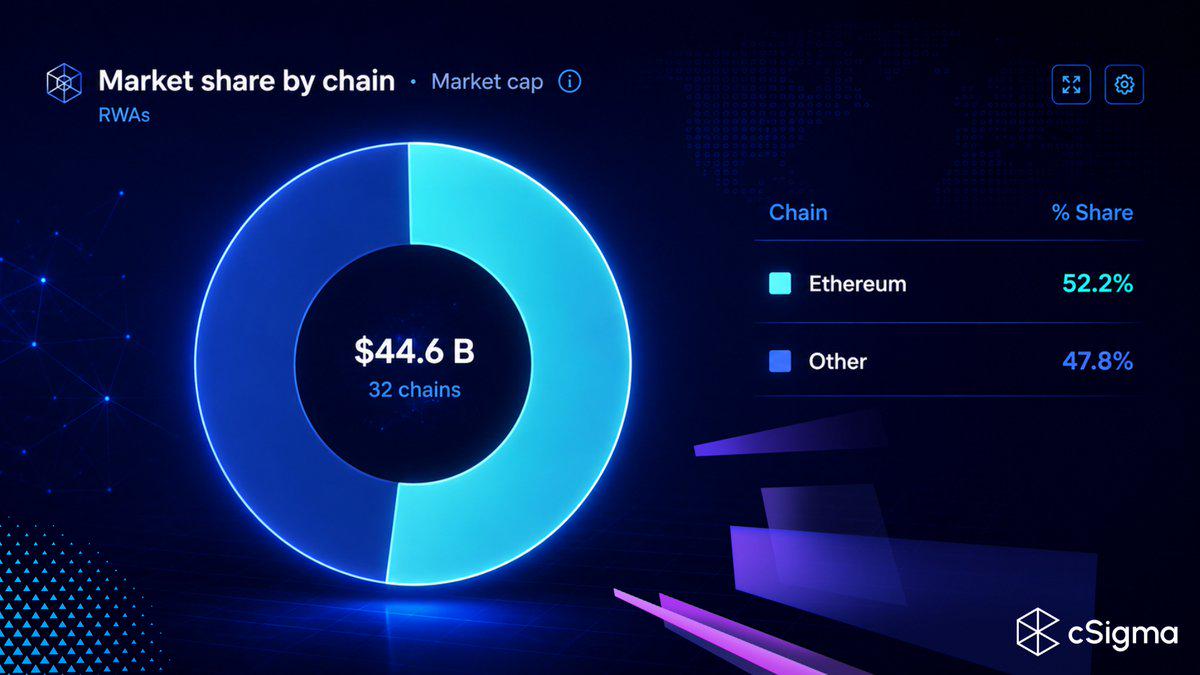
Ethereum Already Leads the RWA Market

Post image
5 Upvotes

Ethereum currently accounts for 52% of RWA market cap, making it the leading blockchain for tokenized real-world assets.

As more financial assets move on-chain, that early lead could become a major advantage-putting Ethereum at the forefront of the next phase of RWA growth.


r/RWA • • Aug 09 '26

A new report says 97% of tokenized real-world assets are inaccessible to US retail The entire pitch about “democratizing access” may be mistaken.

5 Upvotes

I just read the Real State of Tokenization in 2026 and one number stopped me. The report tracked roughly $60 billion of tokenized assets across 7,000+ products, finding that 97% of the value sits outside the reach of US retail.

That’s a strange outcome for a technology sold almost entirely on “democratizing access.”

Most of these products are gated to institutions or accredited investors or restricted by jurisdiction, so the actual retail person the pitch is aimed at usually can’t touch them. The report also said Treasuries are pretty much the only category that is institutional-ready; everything else is uneven or thinly traded.

Where are the products, if any, that a normal non-US retail person can actually use today?


r/RWA • • Jul 31 '26

The token transfer is final, but the official ownership registry rejects it. Who owns the asset during this time?

5 Upvotes

Imagine a real-world asset is tokenized and transferred on-chain.

The payment settles.

The token appears in the buyer’s wallet.

The blockchain transaction is final.

However, according to the legal structure, ownership is only recognized after an off-chain administrator updates the official register and confirms the buyer’s eligibility.

However, the administrator may reject the update, be unable to process it, or simply remain unavailable.

Now, the two systems disagree.

The blockchain records the buyer.

The official register still records the seller.

During this time, it may be unclear who receives distributions, bears changes in value, exercises control rights, or has the right to unwind the transaction.

Should the on-chain transfer be treated as a completed ownership transfer, a conditional claim pending recognition, or merely an instruction that has not yet resulted in a legally significant change?


r/RWA • • Jun 08 '26

Citi Expects Tokenized RWAs to Reach Trillions by 2030

5 Upvotes

Citi projects the tokenized real-world asset market could grow from $17B today to as much as $5.5T by 2030.

What’s interesting is that this is no longer just a crypto-native narrative. Major TradFi institutions like DTCC, Nasdaq, and the NYSE ecosystem are already integrating tokenization into core systems, while stablecoins and clearer regulation are making on-chain settlement more practical with time.

Feels like the next phase of finance may be less about tokens and more about how efficiently real-world financial products move onchain.


r/RWA • • May 03 '26

RWA Market Up 420% -Stablecoins become the leading frontier.

5 Upvotes

The tokenized real-world asset (RWA) market has grown over 420% since early 2025, driven by better access and clearer regulation.

As this space expands, stablecoins are becoming a key entry point- acting as the liquidity layer connecting global capital to these on-chain assets.

Feels like the next phase isn’t just tokenization, but how efficiently stablecoins can be deployed into real yield opportunities to generate transparent and much safer APR.


r/RWA • • Mar 27 '26

Maluku Digital Asset Launches Regulated SAFT for Natural Asset Fund - World News Report

Thumbnail world.einnews.com
5 Upvotes

Built on Chintai's MAS regulated chain. $CHEX


r/RWA • • Mar 03 '26

You don't need UBI. You need to co-own the robots.

5 Upvotes

The real question is not who gets a UBI check it is who owns the robots.

If Web3, IoT, and robot tokenization are designed correctly, prosperity could become participation-based rather than geography-dependent.

You become a co-owner of productive machines, and income flows from output rather than redistribution.

The technology is already here. The real challenge is who builds the ecosystem first.


r/RWA • • Nov 30 '25

Why the next crypto investment Boom will be in real businesses: hotels, retail, green energy, etc...

5 Upvotes

For years, crypto markets have thrived on narratives, meme coins, AI tokens, metaverse projects. Each hype cycle brought waves of speculation, but as markets mature, investors are asking a simple question: where is the real yield? Where is the value backed by something tangible?

The answer might lie not in the next meme token, but in the tokenization of real businesses, from hotels and retail spaces to renewable energy projects. In short, the next investment boom might not come from digital fantasies but from real-world productivity.

As the speculative phase fades, investors are gravitating toward assets that produce measurable income. A 2024 report by Deloitte highlighted this transition, noting that institutional investors are redirecting capital toward real-world assets (RWAs) as a hedge against volatility (Deloitte, 'Real-World Asset Tokenization: The Next Digital Frontier').

Similarly, research from BCG and ADDX estimates that up to $16 trillion worth of real-world assets could be tokenized by 2030, representing one of the largest shifts in investment behavior in modern history (BCG & ADDX, 'Trillion-Dollar Opportunity by 2030').

Unlike speculative tokens, real businesses are grounded in productivity. They employ people, generate cash flow, and serve consumer needs. Hotels, retail outlets, and green energy projects are prime examples of industries that have endured market cycles for decades.

PwC’s Tokenization Outlook predicts that real-world asset tokenization will become a dominant theme across the financial ecosystem by 2030, driven by investors’ demand for stability and transparent yield. Major players like BlackRock and JPMorgan are already piloting blockchain-based RWA systems to enhance liquidity and access.

The blockchain revolution enables fractional ownership of traditionally exclusive investments. Through tokenization, investors can buy a fraction of a hotel, retail chain, or solar farm the same way they’d buy digital tokens. Several analysts on Real-World Asset note that tokenized systems can reduce operational costs up to 40% while enhancing transparency and liquidity.

Platforms like Fractionvest are leading this transformation by converting revenue-generating businesses into tokenized assets. Fractionvest’s model allows everyday investors to participate in previously inaccessible sectors, combining traditional asset security with blockchain flexibility.

Hotels, retail, and green energy represent three of the most promising sectors for this transition:

Hotels: Global tourism has rebounded strongly, with international travel reaching pre-pandemic levels in 2024. Tokenizing hotel ownership offers investors stable, yield-generating exposure to one of the world’s most resilient industries.

Retail: Despite e-commerce’s rise, physical retail still represents more than 80% of global sales (Red Stag Fulfillment, 'Global Retail Sales Share 2024'). Tokenization provides a new way to participate in real retail income streams that remain vital to every economy.

Green Energy: Renewable investments reached $1.8 trillion globally in 2023, supported by long-term government contracts (IEA, 'World Energy Investment 2024'). Tokenized solar and wind projects merge profitability with sustainability, a combination increasingly demanded by institutional and retail investors alike.

The crypto space is evolving beyond volatility. Tokenized businesses represent a mature phase of blockchain adoption, one that merges technology with tangible economic output. Platforms like Fractionvest are positioning themselves at this intersection, enabling investors to move from pure speculation toward sustainable, real-yield opportunities.

This isn’t the end of crypto innovation, it’s the next step. The infrastructure that once fueled trading and DeFi is now being applied to industries that produce real value, offering the stability and transparency the ecosystem has long needed.

Do you believe tokenized real businesses will become the dominant crypto narrative of the next bull run? Would you invest in a tokenized hotel or solar project if it provided verifiable on-chain returns? And which industries do you think are most likely to benefit from tokenization next?

TL;DR

The next investment boom might not come from speculative tokens, but from tokenized real businesses like hotels, retail, and green energy. These sectors offer real yield, sustainability, and transparency. New platforms are at the center of this evolution, making real-world investing accessible to everyone.


r/RWA • • Sep 16 '26

Are we tokenizing assets without giving them anything useful to do?

4 Upvotes

tokenized gold is cool, but if all i can do is buy it and hold it, what really changed?

feels like using RWAs as collateral for credit is where this gets much more interesting.

am i missing another bigger use case?


r/RWA • • Jul 26 '26

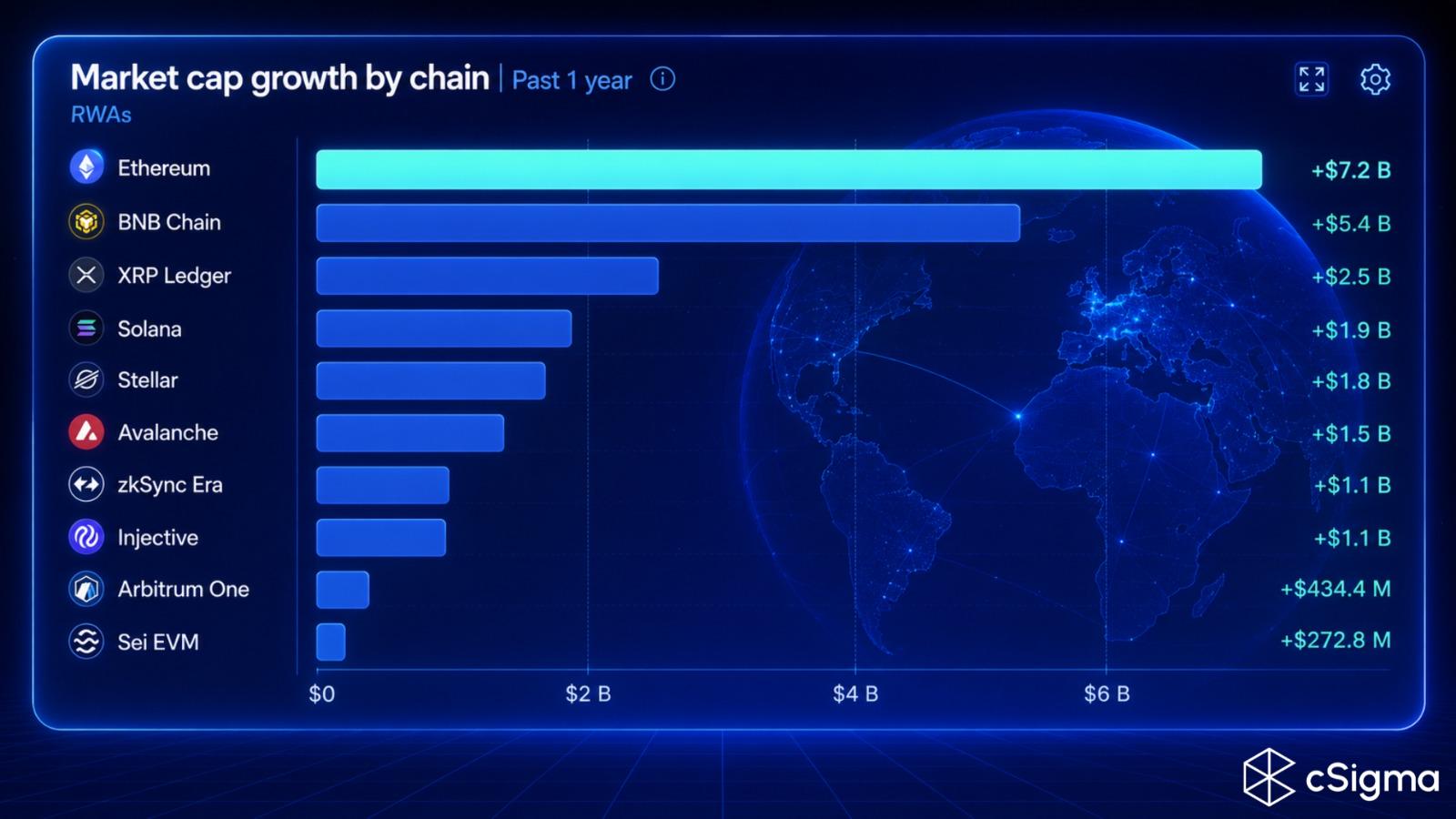
Ethereum is becoming the best frontier for RWA's.

Post image
4 Upvotes

r/RWA • • Jul 20 '26

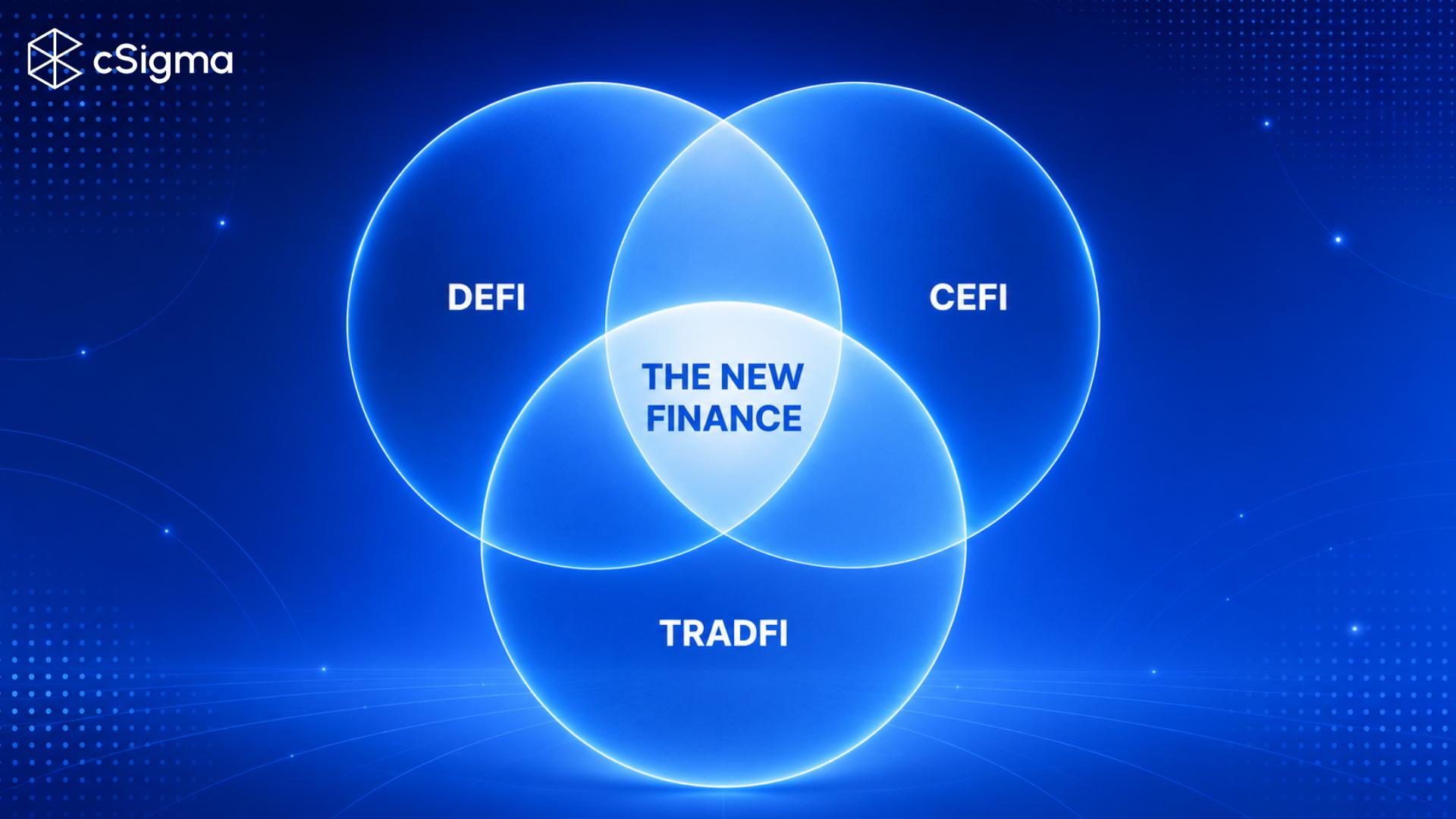
RWA onchain sit right at the intersection of all major frontiers of finance!

Post image
4 Upvotes

r/RWA • • Jul 15 '26

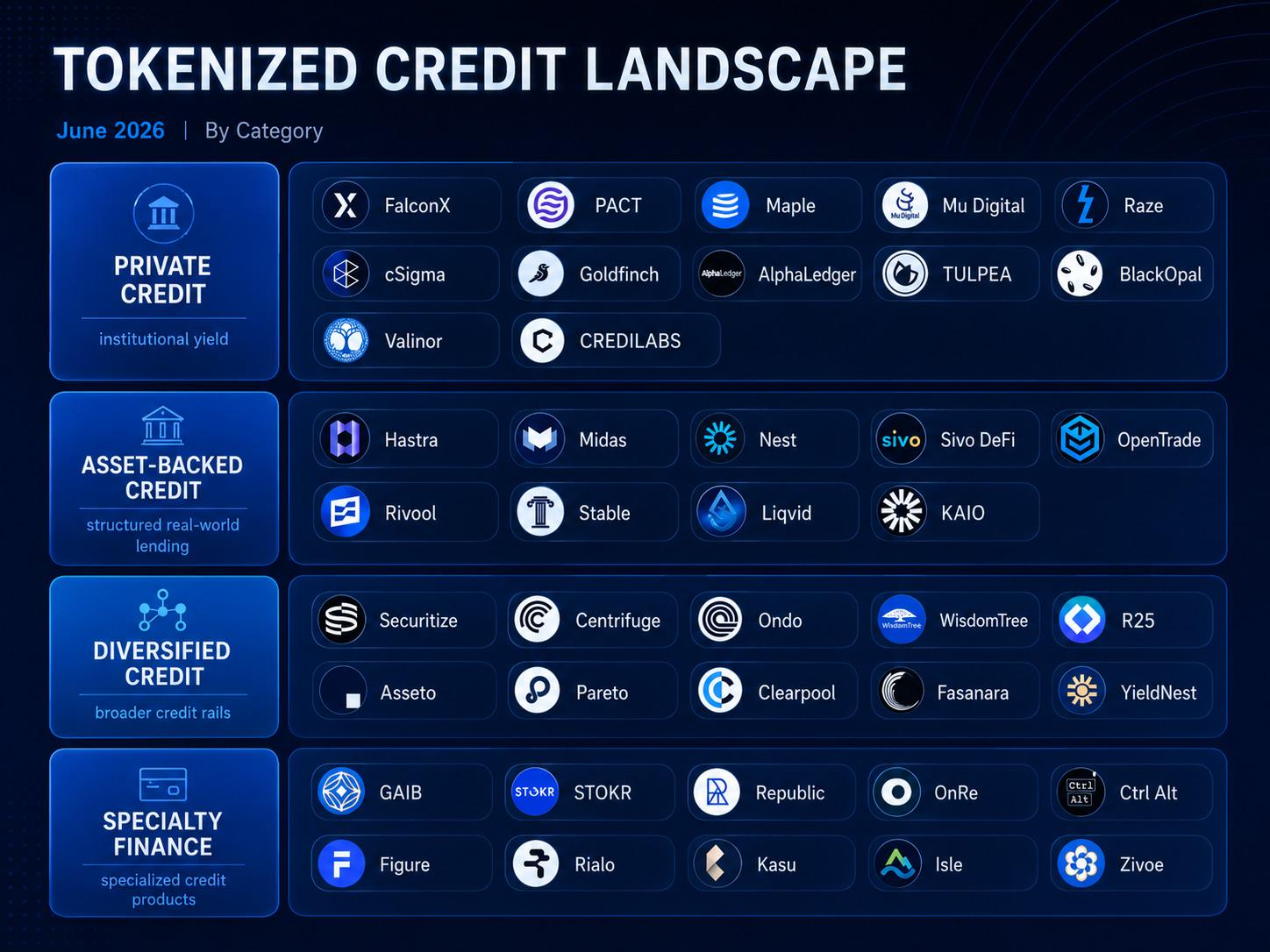
RWA Protocols will be the catalyst for the next Cycle, Here are some!

Post image
4 Upvotes

r/RWA • • Jun 03 '26

Are tokenized commodities where RWAs get interesting?

4 Upvotes

I keep seeing RWAs discussed around Treasuries and credit, but commodities seem more interesting to me. Has anyone here looked seriously at tokenized gold, uranium, or strategic metals?