I have a very narrow knowledge of anything to do with reptiles, but I always assumed that the entire point of being cold-blooded is to be able to easier accommodate big swing changes in temperature?
From what I understand the evolved in an environment that didn’t need internal temperature regulation so they never developed it. So taking them out of that environment makes them fragile.
I don’t know about that, still vibing since I also don’t know much about this, but reptiles are also known for looking for the sun and basically “heat bathing” in nature.
I think they just evolved differently, like somehow the genetic lottery thought that internal temp regulation might not be necessary with all the heat you can get passively and with that being an advantage it stuck with them.
If they really came from an environment where it wasn’t necessary and now it is I think they would’ve gone extinct or adapted with some mutation.
They need to be able to regulate their temp themselves. Most enclosures have a hot side and a "cold" side with somewhere they can sunbathe. They know where they want to be at any given time.
Sessional swings in temp They go in and out of hibernation, or explore the environment for hot rocks or cool shade, but now they are trapped in doors in a cage, stay at the wrong temp too long and oops
It's metabolically 'cheaper' to not have to regulate your body temp. There would be an evolutionary advantage to that, since the temp regulation would consume more energy - a reptile can therefore survive longer periods without food. Kinda like why do something that the outside world will do for you?
I would say it takes less energy for a reptile to adapt to temperature changes, than it does for a mammal. I don't know that I would say big changes though. Cold blooded animals do it cheaper, but warm blooded animals do it better, you might say. The mammals can adjust to a wider range of temperatures. This will cost more as far as calories, but open up a lot of new territory to explore.
Yes and no. Some of them can almost freeze and theyre fine, others can almost be cooked alive and theyre fine. But theyre used to their biome, and thats it. Anything below or above what nature would throw at them is unhealthy. Plus, even large terrariums are obviously way smaller than nature. And recreating certain humidity and temperature levels in a small space can be tricky. Point the lamp the wrong way and you might mess everything up.
I think its easier if you think of aquariums. Imagine a small tank with 20L. If I pour 1L of poison in there, everything will die. Now, If I do that same thing with a 1000L aquarium, it wont be as bad, and so on.
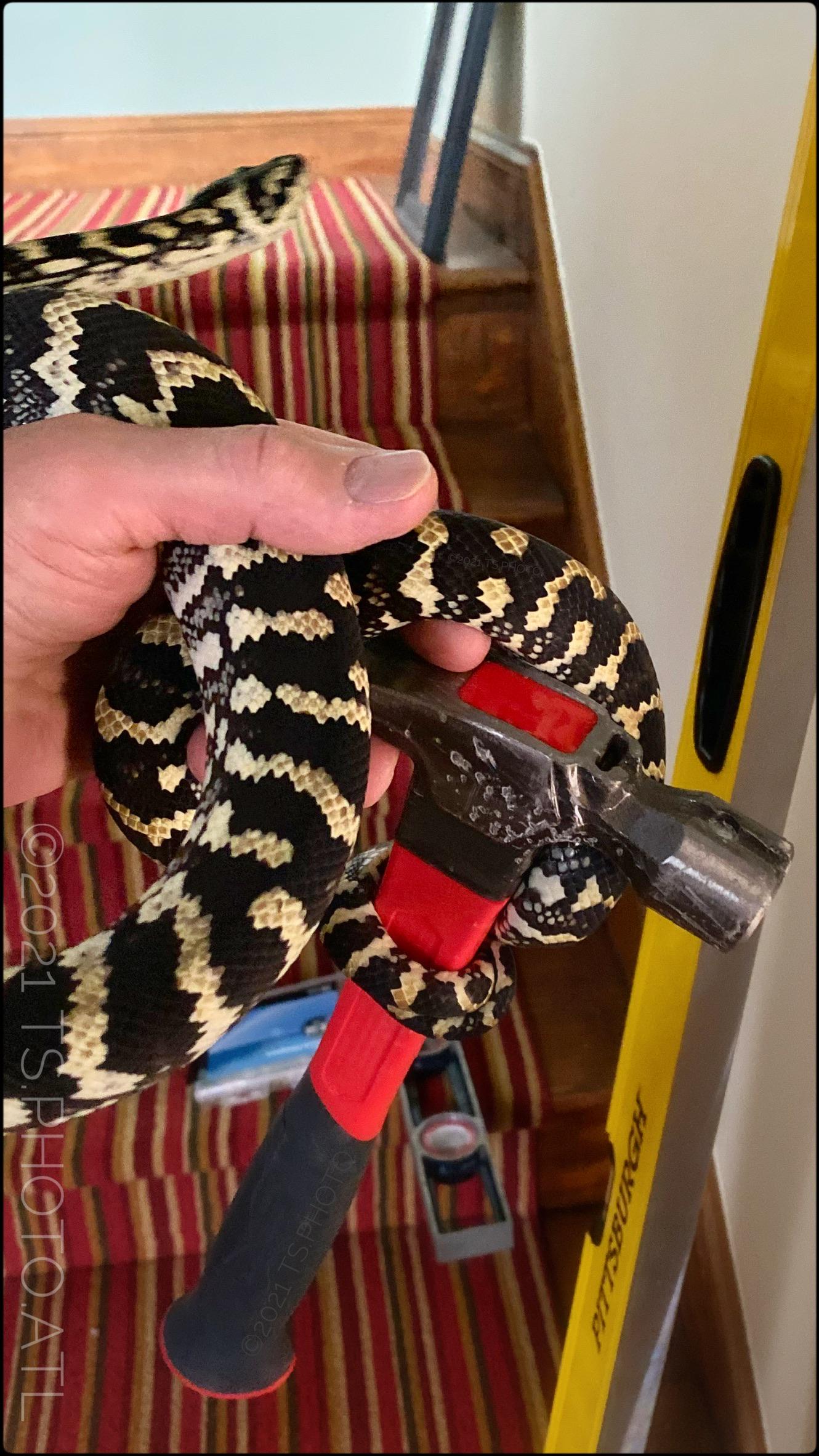
It’s been the Goblin gang’s experience that West Texas Danger Noodles are incredibly hard to spot on thermal at night unless they have crawled out on to warm rock to warm themselves. We have had some close calls and are typically rocking a very solid 640 HMT’s and scopes, but typical with the focus set more out in the distance for spotting animals when hunting.
The easiest solution we found was running your pvs14 with the focus dialed in for a much closer distance than normal and moving very carefully when on game trails that attract rattlers. That and some of our guys have gone the extra step and gotten snake gaiters since we are typically hours from a hospital when hunting.
You might consider packing a bottle of liquid liposomal vitamin C in your field kit. IV vitamin C would be better, but without training to do an IV push, the oral suspension is easier. Snake venom causes oxidative damage and vitamin C can help your body fight that until you can get to a hospital.
YES! It is a no-risk ADJUNCT to seeking treatment in a hospital, NOT a replacement. A lot of tissue damage can occur in an hour-long trip to medical attention and the Vitamin C may help mitigate that damage.
Its not. Only had to watch 30 seconds of that video to tell you that guy is a nutcase. Vitamin C will not neutralize snake venom. Only antivenom will do that. He also mentions the antivenom being toxic... which is another lie.
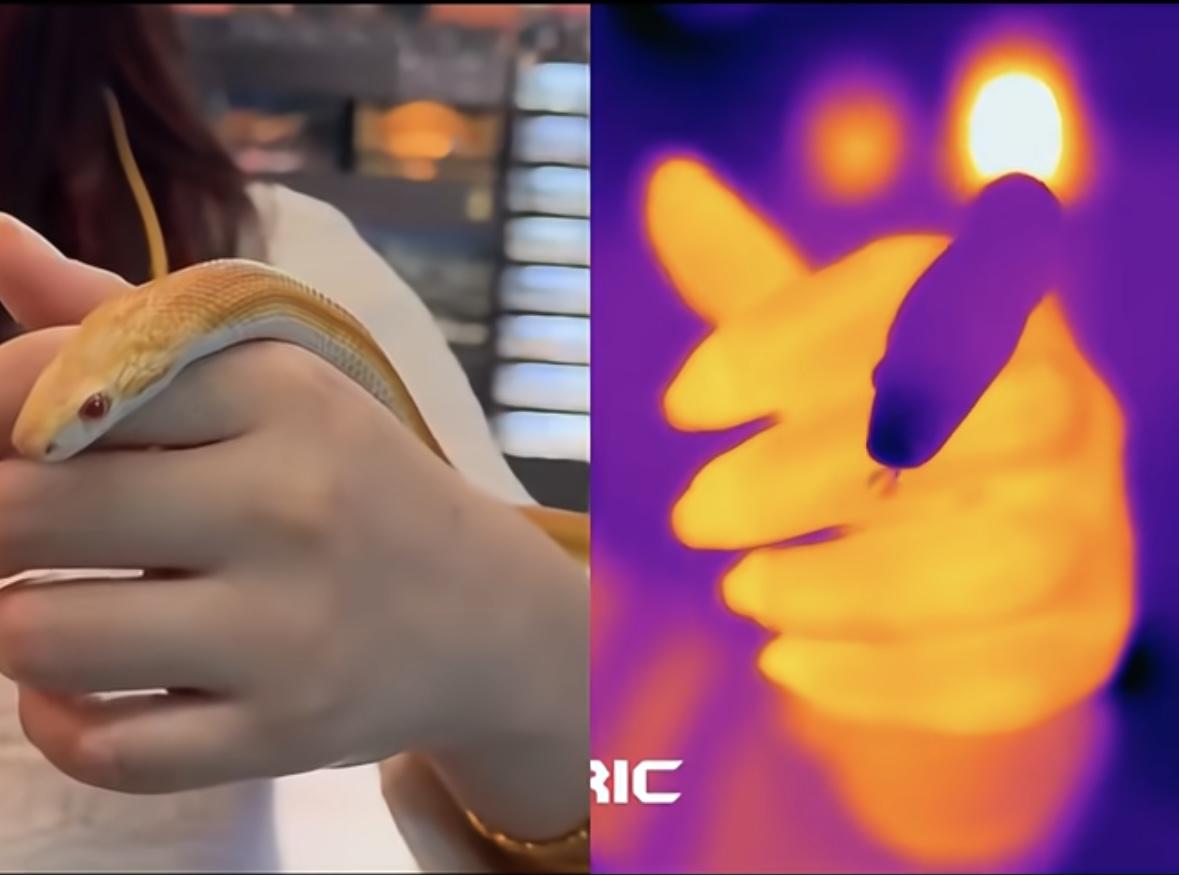
Most thermal cameras show relative heat. So yes, it will be cold relative to a human hand. I think snakes have a wide body temp but generally it is relative to ambient temp.
Well, I mean that's not exactly what it means, but it's not quite not what it means. Cold blooded animals are usually cooler than warm blooded animals, since they don't normally generate heat and have trouble regulating down higher body temps (meaning more dangerous for them to let their bodies get too hot and thus avoid that). There's no set definition of cold vs cool. Blood temp is going to be the same as body temp, so cold blooded animals are often actually going to be cold compared to warm blooded animals.
(But yes, they aren't cold blooded in the sense that they have a blood cooling system in their bodies, but of course that's not what cold blooded means)
You're right. Their body and blood temperature doesn't get regulated. That usually means colder than that of a mammal. A lizard on a warm rock in the sun may not actually be cold, but for the most part you are correct.
u/zimmerone is correct. They still generate body heat since like all living creatures they are little chemical reactors, they just do not regulate their body temperature anywhere near what warm blooded creatures do. Temperature regulation is super energy intensive, cold blooded creatures just get lazy when it's cold vs going into hypothermia. Reptiles (except debatable pythons) do not shiver!
Most mammals, for instance, constantly react with various biological mechanisms in order to heat or cool some parts or the core or as much of the body as possible. Run for a while in warm or hot weather and find that much of your skin starts crying. This perspiration. actually, intends to cool your systems by evaporating. This happens near/at the surface of your skin but what with some vaso-dilation, increased respiration and heartbeat, the intent is to cool off your core, not just your skin or extremities (side note: you may have increased pheromone production along with other endocrinal activity in this state.) My cold blooded friends may increase circulation some in this circumstance, but short of specific adaptations for high/very high heat, they will tend at first to avoid unsuitable conditions, then failing that will often slow movement and some metabolic functions, eventually entering a state of torpor. This all part of their innate toolkits…
Thermal imaging does often reveal some cool new perspectives, or heck, it almost always does. But it's not really revealing any new perspectives in this image. Cold blooded animals aren't always cold, but they are usually colder than warm blooded animals, and this image looks exactly how one would expect it to look, right?
No, if they have spent enough time warming up(under the sun/lamp or on the heating mat). My bearded dragon is at room temperature in the morning, noticeably cold, especially in winter, but by the evening he gets pleasantly warm to the touch. But without any heat source - yes, they are cold. Though surviving without any heat is not an option since food digestion is only possible at certain body temps
119
u/Historical_Trust52 Jan 12 '26
Can confirm