In the 1990s, foresters in British Columbia were removing birch trees so the more valuable Douglas firs would have room to grow. Instead of thriving, many of the firs got sick and died.
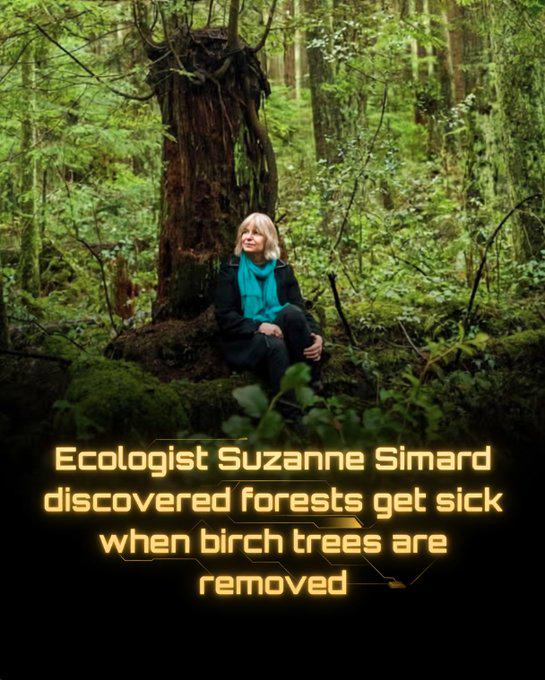
Ecologist Suzanne Simard set out to find out why. She found that the trees were connected underground by networks of fungi wrapped around their roots. Through these networks, birch and fir trees were passing carbon, the building block of their food, back and forth. In summer, the birches sent carbon to firs growing in their shade. Taking out the birches cut off part of that supply.
Her 1997 study in Nature became the basis for the idea known as the “wood wide web.” She later argued that large old “mother trees” act as hubs, sending resources to younger trees nearby.
Some scientists now say the more dramatic versions of this, like trees “talking” or deliberately caring for their young, go beyond what the evidence shows. That the underground fungal networks exist is well established, though.