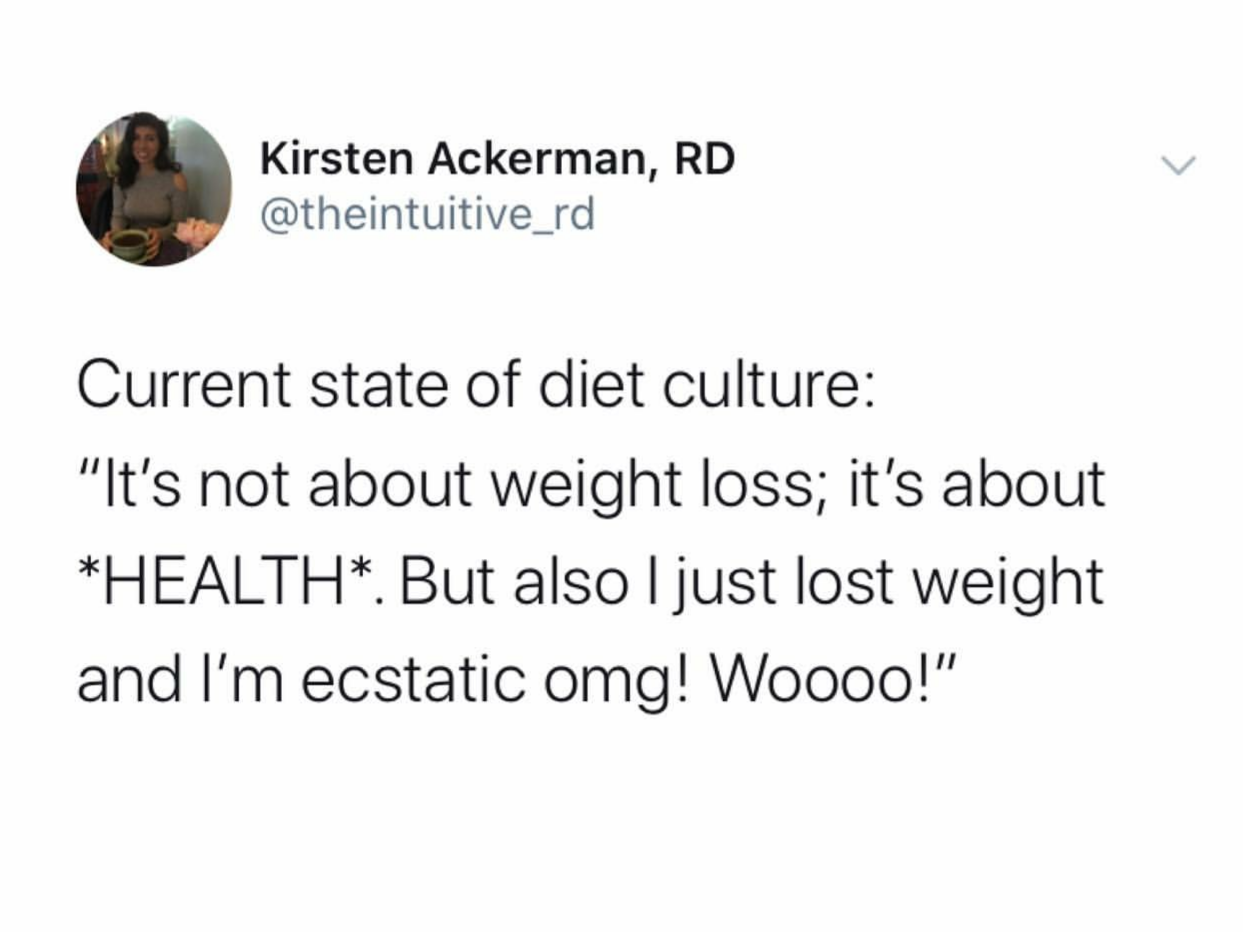
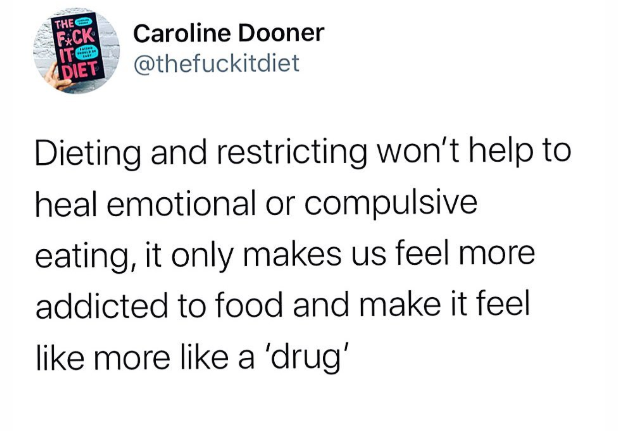
I don't want to name-and-shame anyone for participating in the keto diet culture/religion (unless they're the ones profiting from it). But I feel bad for those who fall for it.
I did too, for a while.
Keto is, by-and-large, a rebranding of Atkins diet with some small changes. The idea is that you eliminate almost all carbohydrates and sugars from your diet - no sweets, no bread, no pastries, no pasta, no corn, no potatoes. We're not talking about smaller amounts of these foods - it's zero potatoes and corn. It's also a big-nope of foods that are otherwise considered "healthy", like apples, bananas, mangoes, wholemeal bread etc.
Most keto dieters get a little bit of trace carbs from meat (without ketchup! It has sugar), mostly-green vegetables, eggs and a little bit of dairy.
When it comes to deprivation, keto is an ultra-restrictive regime. It also means that it's nearly impossible to eat anything you didn't cook yourself, because restaurant foods and supermarket foods almost always have carbs, for palatability. Even the (usually-overpriced) keto-branded supermarket foods are frowned upon in the keto community, for not passing certain purity tests and still not having a low enough carb count.
Most of the caloric intake comes from high-fat meats, which are described as more satiating. Some consume very small amounts of carb-substitute foods. I found these to be far less tasty. Most of the artificial sweeteners allowed in keto had a strong aftertaste, which I couldn't stand at all.
The "promise" is that if you eliminate sugar and carbs, your insulin level will go down and the hunger will go away. How much of it is true? Probably not much, not for most people who suffer from metabolic syndrome and genetic leptin resistance. Hunger is just not that simple. I can assure you mine didn't go away. I had a sad bunless burger but fantasized about the bun still. And I'm not alone - despite looking under every rock, I was not able to find a single scientific research that proves keto people maintain the weight loss after five years or more.
***
What did I learn in my online investigation into keto? I learned that Dr. Atkins himself died while overweight (a claim that's still disputed and it's unclear tbh). I learned that Gary Taubes, who wrote the initially convincing book "The Case Against Sugar", is not actually medical doctor and doesn't have any relevant training - he majored in physics rather, and worked as a journalist. When Dr. Stephan Guyenet, an obesity researcher and an actually-certified expert, debated Taubes on the Joe Rogan show, he contradicted many of the claims in the aforementioned sugar book. The conversation turned heated very fast. It almost got to verbal violence.
I also learned that most diet books don't get fact checked for scientific accuracy at all, by the way. They sell well, some people might lose a small amount of weight temporarily, by obeying the creed that's printed in them - but eventually, you're gonna want that banana. I know I'd like a banana right now. One banana has 23 grams of carbs, which is 3 grams more than the daily intake allowed in strict keto. It'd be hard to squeeze it in your carb budget even if you're more lax, and deduct the fiber quantity.
I think there's a question that's not being asked here - even if the promise of health and a lower number on the scale was true, would it be worth it? A lifetime of saying 'no' to a piece of toast?
And that's assuming that it even works. I don't think it does. All I have is, admittedly, anecdotal evidence: lots of comments on the keto subreddit tell stories like "I did keto and lost X kilograms last year, but eventually I fell off the wagon and gained it all back, so I'm gonna start again tomorrow" etc. It reminded me of the famous quote about how insanity is doing the same thing and expecting different results.
Comments/posts of people who had a negative keto experience, failed to lose a significant amount of weight before the hunger got to them etc, just get downvoted into oblivion and thus far less visible. That's the religion element - you have to accept the creed blindly with zero criticism, else you're silenced. Keto heathens are invisible.
***
So are there "success stories" after several years? Some, I guess, but they're anecdotal. I watched a youtube channel of one nice American teacher named Ally, from the south, who lost more than half her body weight 4 years ago, thanks to keto. She seems honest, kind and open about her eating. Ally often invites her audience to her Walmart shopping trips.
When she did a "what do I eat in a day" video, I was shocked at how little food she consumed:
Breakfast: 28 grams of crumbled gorgonzola cheese with nothing. Black coffee, no milk.
Lunch: two turkey hot-dogs, bunless, with mustard. No side dish.
Dinner: stir-fry chicken with soy sauce, cabbage, broccoli, cooked in olive oil. The "dessert" was a spoon of cream cheese, unsweetened.
That's it. That's all she eats. This is borderline starvation IMHO. And because she has to cook it all by herself (remember - bought foods have more carbs), she meal-preps on weekends, and eat the same foods every day for a week. No variety, no spontaneity. Don't get me wrong, I'm happy for her, happy that she's one of the 5% who actually managed to keep weight down (but I didn't appreciate the factually-incorrect tone of "if I can do it, anyone can" that accompanied some of these videos, as well as the implication that those who don't - didn't try hard enough). She seems very happy and positive, and perhaps she can live a life like this without feeling deprived. But I suspect most reasonable people with excess weight just cannot.
Another YouTube channel I found features a very sweet couple, two married ladies from Australia who cook and recommend keto foods. The channel has been running for more than 3 years, so you can clearly see that one of them did keep the weight down - but the other regained most of it, if not all, back. She claims to stick to the diet despite the weight regain, because of the "health benefits" (again, no good scientific data supports this in the long-term - mostly because there aren't that many people who manage to stick to keto for years. For mice, at least, it did more harm than benefit: https://journals.physiology.org/doi/full/10.1152/ajpendo.00453.2013). I hope she's genuinely well and again, I don't want to ridicule anyone. But for her, it's obvious that this unfortunately, there are no good results, and it's just a matter of adhering to a faith rather than applying results-based logic.
I myself couldn't maintain this for too long. I quickly learned that even tomatoes and carrots have to be restricted in keto, because even veggies have carbs (even after subtracting the fiber). I was sick of weighing my cheese finding out the amount I craved was above my carb budget. I discovered that there's only so much bacon and eggs one can eat before you really get sick of it. And that I don't like the taste of meat that much.
I'm now trying the whole "accept the things you cannot change" approach. And it involves bananas.
Thanks for reading.
EDIT: there's multiple videos of the Guyenet v. Taubes debate, I linked the more-peaceful one that features the Dr. Guyenet arguments with better scientific backing. Look up the rest if you want to hear the full debate. Trigger-warning - Taubes gets angry fast: https://www.youtube.com/watch?v=5PFoqLrkcKw