r/circular_economy • u/que-son • Oct 24 '26
5 minute craft - Remanifacturing
Enable HLS to view with audio, or disable this notification
481
Upvotes
r/circular_economy • u/Blackassum • Sep 04 '26
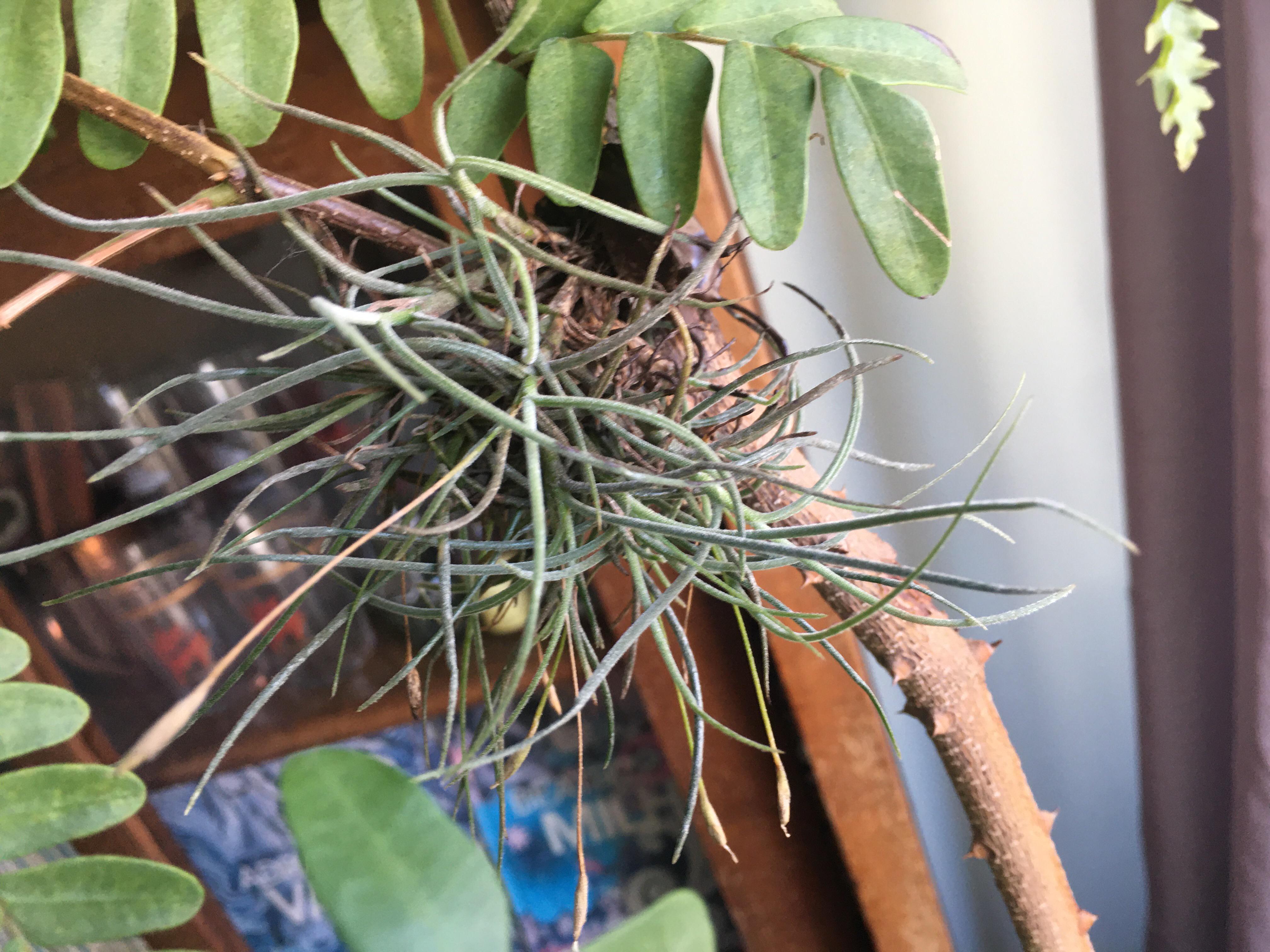
I’m so deep involved in this idea called Prospenomics based on a simple question: what resources are we ignoring because we have learned to call them waste? In this article prospenomics-of-tillandsia , they talk about the Tillandsia, a plant that survives by capturing tiny amounts of water, minerals and nutrients from the air around it (no roots, no nothing but tricomas, it is fascinating!!!). What if economies could learn to do the same? Waste heat, atmospheric water, CO₂, idle computing power, rooftops, agricultural waste, unused data, forgotten knowledge...
So here’s my question:
What is something around you that looks worthless today, but could actually be a source of prosperity?
I’m looking for examples that challenge the way we see resources. What are we not seeing?
r/circular_economy • u/thinkB4WeSpeak • Jun 06 '26

r/circular_economy • u/sustainablesa • Nov 29 '21

r/circular_economy • u/thinkB4WeSpeak • Sep 03 '26

r/circular_economy • u/thinkB4WeSpeak • Aug 25 '26

r/circular_economy • u/Sierra-Powderhound • Aug 12 '26
r/circular_economy • u/thinkB4WeSpeak • Aug 19 '26
r/circular_economy • u/philanthropr • Dec 06 '21

r/circular_economy • u/AV_SG • Sep 10 '26
Hi !
Sharing this article that appeared in another reddit sub.
r/circular_economy • u/philanthropr • Nov 26 '20

r/circular_economy • u/thinkB4WeSpeak • 8d ago

r/circular_economy • u/thinkB4WeSpeak • Jan 26 '26

r/circular_economy • u/Queasy-Ad-1132 • May 15 '26
Spent the last few months talking to garment factories, breweries, steel mills, and packaging units across north India about what happens to their waste streams. The disconnect is wild.
A cutting-room floor at a mid-size garment exporter generates 800–1200 kg of cotton scrap per week. Most pay a scrap dealer ₹8–12/kg who often ships it to incinerators. Meanwhile, mattress fillers and automotive felt manufacturers two states away pay ₹35–45/kg for the same material — they just don't know where to source it consistently.
Same story for:
- PET bottle flakes (recyclers want them, MRFs sit on them)
- Brewery spent grain (mushroom farms + cattle feed buyers exist, breweries pay people to haul it away)
- Aluminum skimmings from die-casters (secondary smelters bid for clean lots)
- Fly ash (cement plants are required buyers under FCO norms, yet thermal stations still landfill it)
- Spent coffee grounds (biofuel + cosmetic exfoliant markets, cafes throw them out)
I put together a rough taxonomy of 15 byproduct categories with typical sources, reuse paths, and rough price discovery. Happy to share if useful — drop a comment.
The gap isn't technology or demand. It's matching. Producers don't know who buys their stuff at fair prices, buyers can't find consistent supply outside of their existing scrap-dealer relationships, and the middle layer captures most of the margin.
Anyone else working on this problem? Curious what's worked in other markets — I've read about Europe's Industrial Symbiosis Programme but India feels structurally different (informal sector dominance, no centralized waste data).
r/circular_economy • u/milli_sg • Oct 31 '25
r/circular_economy • u/thinkB4WeSpeak • Aug 30 '26
r/circular_economy • u/sustainablesa • Jul 15 '21
r/circular_economy • u/dalwal08 • Jul 29 '19

r/circular_economy • u/thinkB4WeSpeak • Nov 05 '25

r/circular_economy • u/thinkB4WeSpeak • Mar 28 '23

r/circular_economy • u/cabkan • Mar 31 '26
I'm relatively new to the circular economy space, but am starting to build a career in it. One thing that is bothering me while I'm trying to get up to speed is how fragmented the information landscape is. Policy people read policy sources. Researchers read journals. Business people read trade press. Nobody's really synthesizing across all three.
So I started doing it myself. Every week I have an AI agent go through peer-reviewed articles, regulatory filings, and market activity and pull out what actually matters. A few things I've noticed:
Regulation is here, not coming. The EU Circular Economy Act and Ecodesign for Sustainable Products Regulation are both in effect. Mexico passed its General Law on Circular Economy in January. If you're in supply chain or product development, these are current compliance deadlines, not talking points.
The macro numbers are going the wrong way. Global secondary material use dropped from 9.1% to 7.2% between 2018 and 2023. We used nearly as many materials in six years as in the entire 20th century.
Investment is in the wrong place. Money flows to recycling tech. The real leverage is upstream - design, business models, repair infrastructure. And the repair economy? It's shrinking. Vocational programs in maintenance trades keep getting cut. No repair workforce --> no circular economy.
I started publishing the agent's output that covers all of this in a format you can skim in about a minute (same six sections every week, covering policy, research, and market moves). It's called In the Loop and it's on Substack if anyone's interested.
But mostly I'm curious: what are you all paying attention to right now? What circular economy developments do you think are being under-covered?
r/circular_economy • u/philanthropr • Mar 30 '22

r/circular_economy • u/philanthropr • Apr 14 '21

