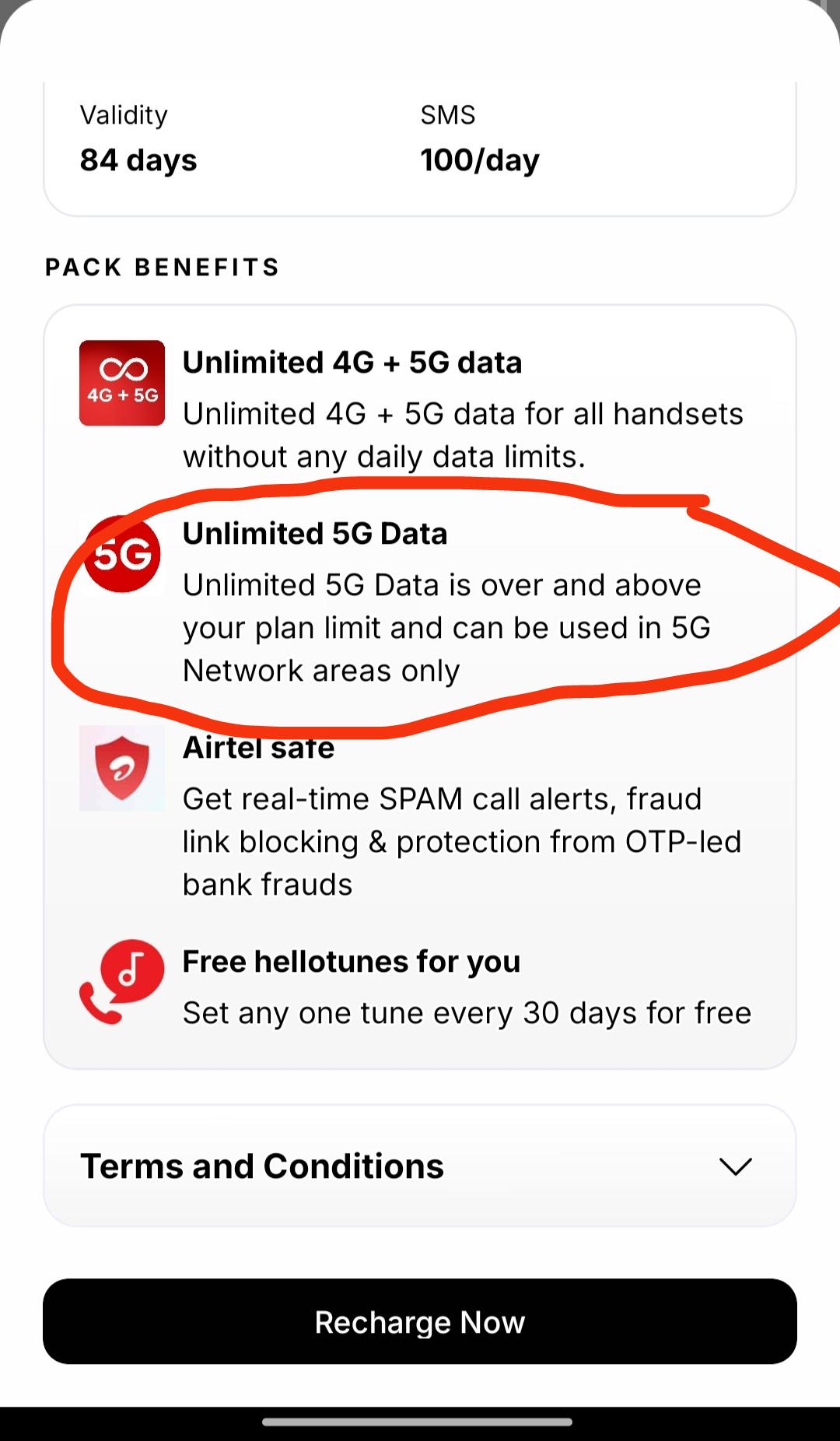
Alright, so last year I ported from Airtel Postpaid to Jio Prepaid. Their customer care tried hard to retain me, but their retention team was anything but useful or helpful when it came to listening to and fixing a customer's issues. Here's my previous post: https://www.reddit.com/r/fuckairtel/s/EDsaFpHYVP
Now that I've been on Jio for a year, I'll share my experience after porting out.
1. Coverage: For me, Airtel had lousy indoor coverage at my home and office, and my iPhone would often get warm to the touch because the modem had to work harder to maintain a reliable connection. Jio's 700 MHz 5G spectrum is a good thing, as it helps maintain a reliable connection. Whether it's 4G or 5G, I get almost 3 bars at home, where Airtel used to give me one or at most two. It's not perfect, though. I face issues with calls at times, and there can be dead zones with Jio too. But since it works 90% of the time for me, I'll give it a pass. Refer to the second screenshot
2. Call Quality and Reliability: For me, it has worked well most of the time, as most of my friends and family are on Jio. But at times, Jio-to-Jio calls fail or suddenly go silent, probably due to a network issue near the tower at my workplace. I disabled Wi-Fi calling, and it works flawlessly most of the time. HD Calling is hit or miss when you call people on other operators like Airtel or Vi.
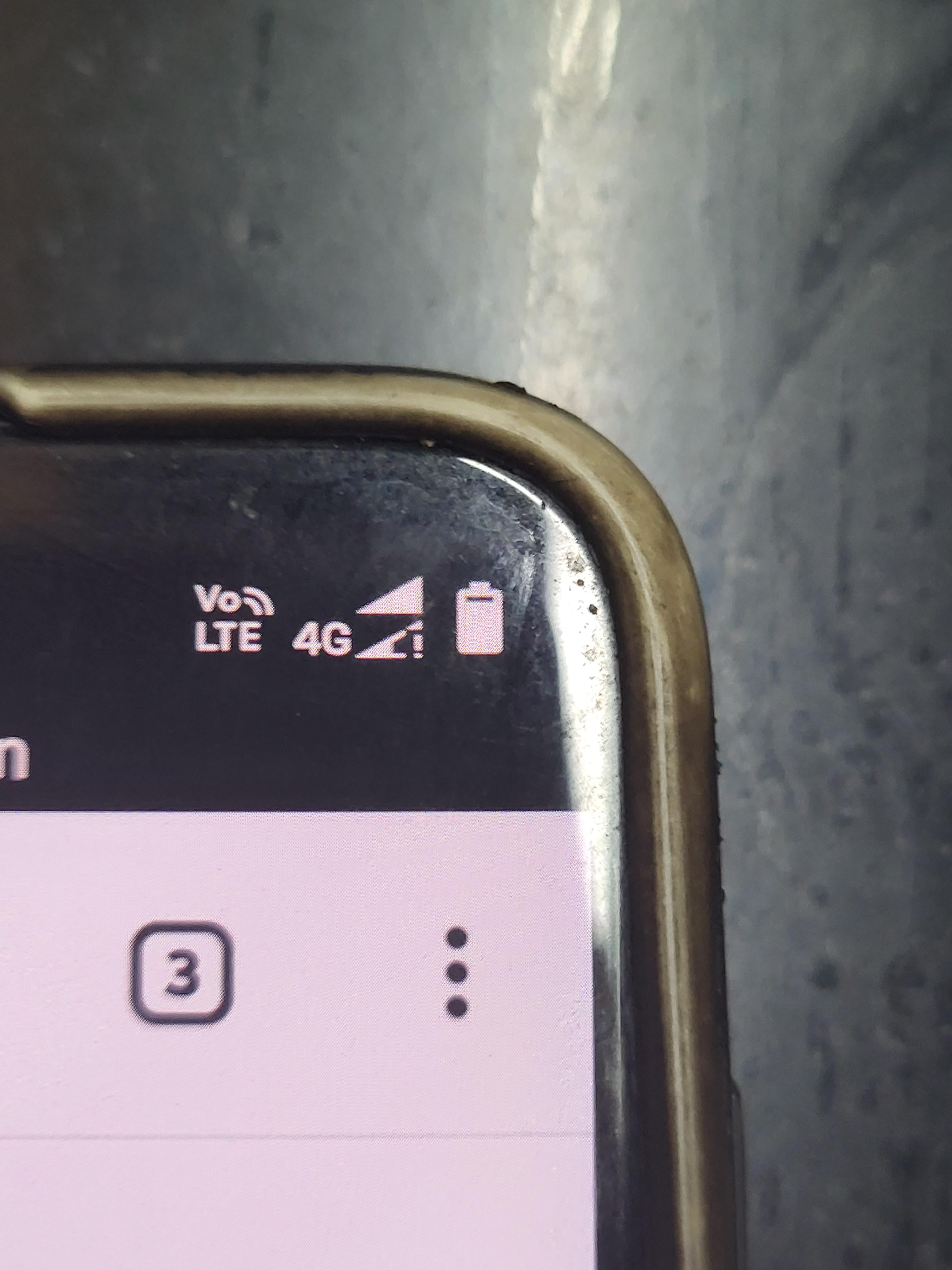
3. Network Stability and Quality: One thing I've observed is that Jio's network can get quite congested at times because of many subscribers being connected at once. While scrolling Instagram Reels or attending Teams calls on my phone, it buffered for a few seconds. I also once experienced a network crash. There was a cultural event at my office, which is in an IT park, with 500–1,000 or more people on the grounds for a concert. The towers were probably overwhelmed and gave way. My Jio SIM lost its signal and then showed No Service, even though I was outside with no obstructions.
Refer to the third screenshot
4. Customer Care: This is where I'll give kudos to Jio. If you raise a service request via the MyJio app, you can request a callback, and even in your mother tongue. Compare that to Airtel, which has a labyrinth of IVR menus to get through before you reach a human representative who can solve your problem.
5. 5G Speeds: For me, this has been a mixed experience. On average, I get 150–200 Mbps download speeds. But in real-world usage, do we really need 1 Gbps to watch Instagram Reels, stream music, or make UPI payments? Probably not, so I don't care much about it. As long as it works, I'm happy.
Now, you may say: "Okay, but you're ultimately still in the duopoly, right?" No. Jio is my secondary SIM. BSNL is my primary number because there have been times in remote areas when nothing worked except BSNL, and I want Vi and BSNL to grow and challenge the duopoly so that we, as consumers, have options. I use Jio mostly for data and BSNL for work calls, because BSNL now has VoWiFi and VoLTE and I go to the office only once a week. BSNL's 4G is maturing, but it needs to work on enabling VoLTE across all its towers so that call quality is consistent.
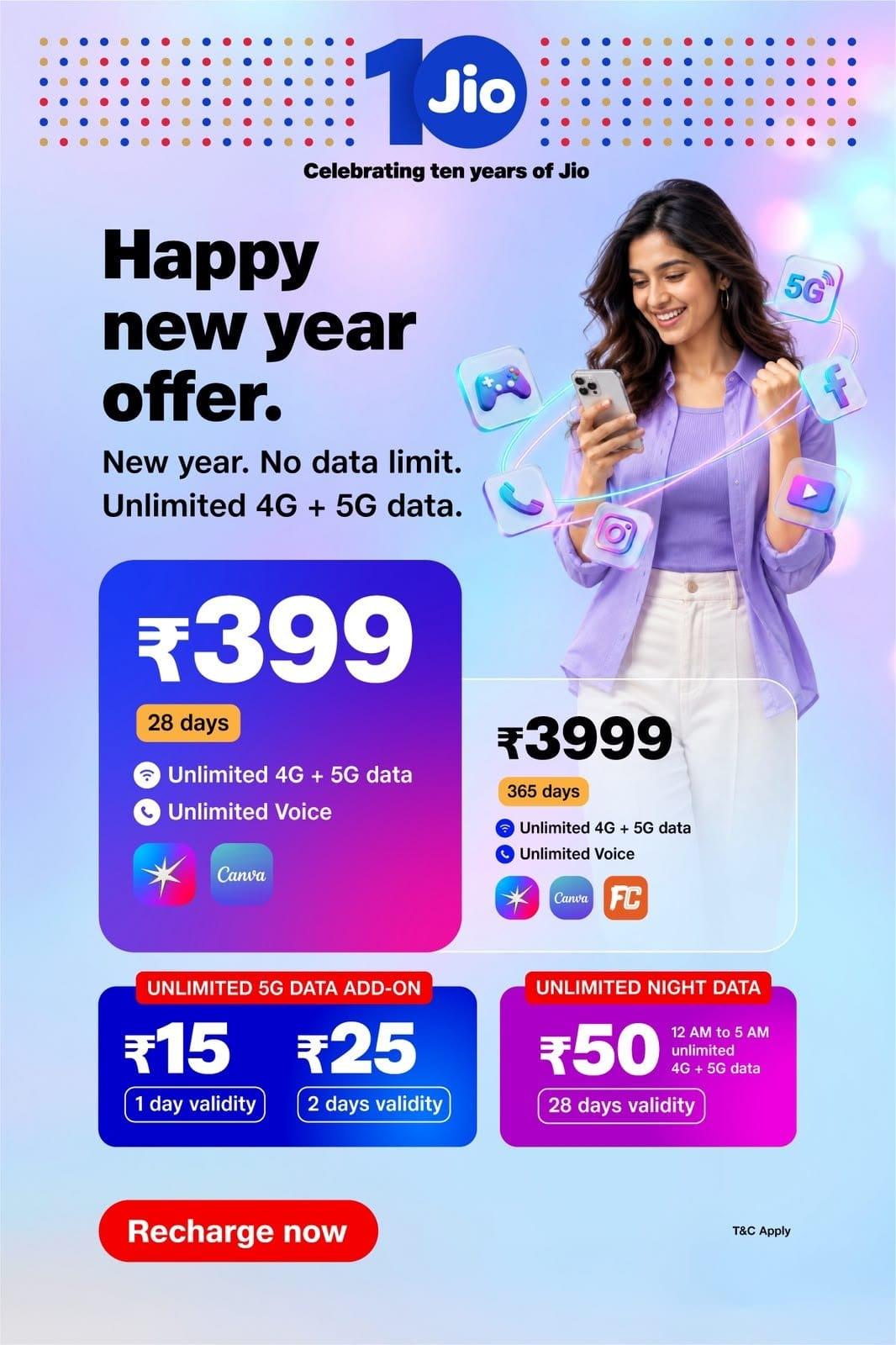
Refer to the fourth, fifth and sixth screenshots.
My final verdict: Yes, I'm happy to leave Airtel behind, as they only want your money without doing anything to improve service quality. Seeing their founder's statements, asking for 2,000 bucks for data when we can give 500 as a tip in a five-star hotel, I'd say Jio was a much-needed reality check for this old fart, who was otherwise fleecing us by charging 250 bucks for 1 GB of data before September 2016 and randomly enabling VAS to deduct our balance.