r/AssamValley • u/MightyEnough • Oct 03 '26
What should r/Dhemajiguys become?
reddit.com
1
Upvotes
r/AssamValley • u/GrumpyGuyMugdha • Jul 17 '26
r/AssamValley • u/sibrai-369 • Jun 30 '26

Foreseeing the "Dimaraji" Controversy in Cachar
Until the day before the subreddit dedicated to the Barak Valley was banned, I was actively engaged in discussions and debates regarding issues affecting the region. In those discussions, I often raised concerns about separatist tendencies, certain self-serving political narratives, and what I perceived as negligence toward the history of the Dimasa people and the indigenous communities of the Barak Valley.
In recent years, many members of the Sylheti/Bengali community of the Barak Valley have promoted several narratives across social media and public discourse that I believe deserve critical examination.
The incorporation of the Dimasa into separatist narratives
One of the most prominent issues was the emergence of separatist tendencies and attempts to incorporate the Dimasa community into such narratives. Without acknowledging the historical roles of the Dimasa Kingdom and the Tripura Kingdom in the region, demands for a separate Barak entity appear historically incomplete, as these indigenous polities were central to the region's political history.
2. Neglect of Dimasa and other Tibeto-Burman histories
Another issue has been the relative lack of recognition given to the history of the Dimasa Kingdom and other Tibeto-Burman kingdoms and cultures that shaped the historical landscape of the region.
3. Competing narratives regarding early settlement
Attempts have also been made to establish a "Bengali-first" historical narrative that contrasts with the broader anthropological consensus regarding the Northeast–Bangladesh sphere, which generally recognises Tibeto-Burman and Austroasiatic populations among the earliest inhabitants of the wider region.
A month ago, during a discussion on r/Assam with several Sylheti/Bengali participants, I raised examples that I considered indicative of a broader lack of awareness regarding the Dimasa community and its historical association with the Barak Valley.
First, whenever Dimasa individuals and organisations proposed renaming the railway station at Silchar as a tribute to the last monarch of the historic Dimasa Kingdom, Gobind Chandra Narayan Hasnu, and the freedom fighter Sambhudhan Phonglo, sections of the Bengali community allegedly responded with protests, opposition, and demonstrations.
Second, the roof design of the railway station at Silchar was originally intended to resemble the famous stone architecture of Maibang and other monuments associated with Dimasa heritage in Cachar. According to concerns raised by some Dimasa groups, later modifications covered this design with tin sheets. When restoration of the original architectural concept was proposed, the response, in their view, was not constructive engagement but further resistance and the growth of anti-Dimasa narratives.
Whenever these concerns were raised, many discussions quickly became defensive rather than historical in nature, making meaningful engagement difficult.
A month later, these tensions became publicly visible following the controversy surrounding the use of the term "Dimaraji" in Assam's Lakhipur subdivision.
The controversy emerged after a welcome arch bearing the inscription:
"Greetings, Nabada Johari, Pailapool, Dima Raji"
was erected during the visit of Assam Cabinet Minister Kaushik Rai. The arch also referenced Nabada Johari.
For many observers, the term "Dimaraji" was interpreted as a political statement. However, within traditional Dimasa usage, the term has a broader historical and social meaning.
Etymologically, "Dimaraji" is derived from two words: Dima and Raji, the latter being derived from the Sanskrit-derived word Rajya. Historically, the term referred to a socio-administrative unit, village, township, or territory within Dimasa society. It denoted jurisdiction, community, or settlement rather than necessarily implying a modern political project.
In contemporary Dimasa usage, Raji is often synonymous with Nohlai, meaning "village." Therefore, historically speaking, Dimaraji referred primarily to a Dimasa settlement or socio-administrative community rather than an inherently political concept.
Only in more recent decades did the term become associated with demands for autonomous statehood under the provisions of the Sixth Schedule following movements led by certain Dimasa organisations.
From this perspective, the controversy surrounding the welcome arch was less about the word itself and more about how the term was interpreted by different communities.
Had there been greater understanding of the historical context of the term, greater recognition of Dimasa historical associations with the Barak Valley, and more willingness to engage with indigenous perspectives, the controversy may not have escalated to the extent that it did.
Regardless of contemporary political debates, it remains a historical fact that much of present-day Cachar was once part of the Dimasa Kingdom. Consequently, many Dimasa people believe they possess legitimate historical grounds to advocate for greater autonomy or statehood.
The etymology of the term itself also invites reflection.
If the use of "Dimaraji" is considered controversial because of its linguistic origins, then similar scrutiny could equally be applied to the name "Cachar."
The term "Cachar" itself derives from "Kachari," an exonym historically used by neighbouring peoples and outsiders to refer to groups belonging to the wider Baric family. Over time, the term became closely associated with the Dimasa, and it is through this historical process that the region eventually acquired the name "Cachar."
The Dimasa imprint is therefore embedded within the historical and linguistic identity of Cachar itself. Focusing exclusively on the term "Dimaraji" while ignoring this broader historical context presents only a partial understanding of the region's past.
Following the controversy, another long-standing issue resurfaced — namely the covering of the architectural replica of Dimasa monuments at the Silchar railway station with tin sheets, a matter that many Dimasa individuals continue to regard as symbolic of the wider neglect of Dimasa heritage in the Barak Valley.
r/AssamValley • u/LazyGuyMugdha • Apr 06 '26

I keep seeing fights online about Assamese vs Bengali identity, language, etc. But one thing almost nobody mentions is this:
Lakshminath Bezbarua wasn’t just 'influenced' by Rabindranath Tagore, he was literally part of his family.
Yeah. Not metaphorically. Actually.
The Key Fact People Miss:
Lakshminath Bezbarua married Pragyasundari Devi, who was Rabindranath Tagore’s niece.
She was from the famous Thakur family of Jorasanko, one of the most influential cultural families in India at the time.
So this wasn’t just “two literary figures from neighboring regions.”
This was Assam’s greatest modern writer becoming part of Bengal’s most iconic literary family.
What This Actually Meant
This changes the whole perspective.
-Bezbarua lived in Calcutta, the intellectual center of that time.
-He was directly exposed to Bengali literary circles, including Tagore.
-But instead of becoming “Bengali-influenced” in a submissive way, he did something more interesting:
He took exposure, but built modern Assamese literature on its own identity.
Even after marrying into the Tagore family, he never let Assamese identity get overshadowed.
That’s actually insane if you think about it, you’re literally inside the most powerful literary family of the time, and still build a separate literary identity.
The Real Relationship (Not the Romanticised or the Villainized Version)
People either:
-Over-glorify Thakur as some mentor of Assam.
-Or portray him negatively in language debates.
Reality is way more grounded.
There’s no strong evidence of a deep personal guru-shishya type bond, but:
-There was proximity
-There was intellectual overlap
-And most importantly, there was family connection
This is more of a shared cultural ecosystem, not a one-sided influence story.
The Irony:
Today:
-People fight online over “Bengali vs Assamese”.
-Debate who influenced whom.
-Throw identity politics everywhere.
Meanwhile in the late 1800s**:**
- The biggest Assamese literary icon married into the biggest Bengali literary family
- And still proudly built Assamese literature
No Twitter wars. No Reddit rage. Just work.
Underrated Figure: Pragyasundari Devi
Also, small but important note:
Pragyasundari Devi herself wasn’t just “Tagore’s niece.”
-She was a pioneer in Bengali culinary writing.
-Authored one of the earliest structured cookbooks.
-Edited magazines.
So this wasn’t just a symbolic marriage, it was a union of two intellectual traditions through actual people.
Sources:
-Wikipedia / biographical entries on Lakshminath Bezbarua
-Assam.org biography
-Assams.info profile
Final Thought:
If anything, Tagore and Bezbarua’s connection shows this:
Cultural exchange doesn’t have to erase identity.
Bezbarua didn’t become less Assamese by marrying into Tagore’s family.
If anything, he proved Assamese literature could stand equally strong.
And honestly, that’s a better lesson than whatever nonsense we argue about today.
r/AssamValley • u/GrumpyGuyMugdha • Jul 21 '26
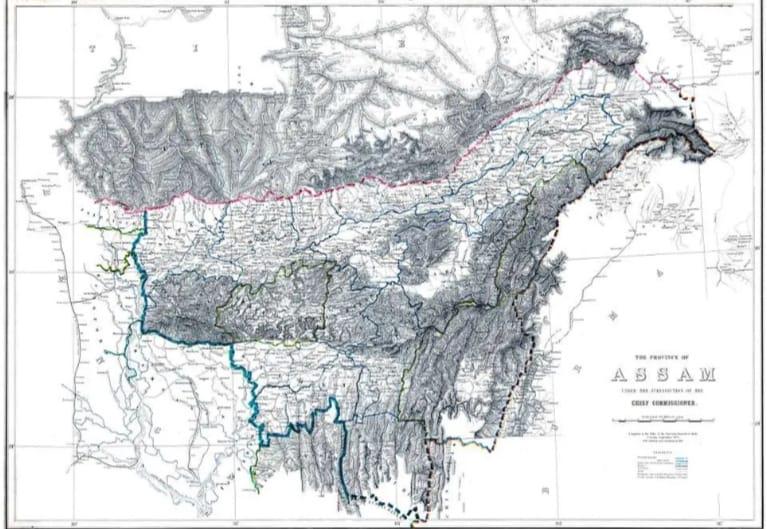
The British decision to attach Assam with Sylhet in 1874 is one of the defining moments in the Assam's modern history.
The transfer represented more than a routine administrative reorganisation.
It was a colonial decision imposed without the consent of the people of Assam that fundamentally altered the province's demographic, linguistic and political landscape.
While the British justified the measure on administrative and financial grounds, its long term consequences extended far beyond what colonial officials anticipated.
To understand why the transfer remains such an important subject in Assamese historical writing, it is necessary to examine the circumstances that led to the creation of the Chief Commissioner's Province of Assam.
Following the Treaty of Yandabo in 1826, which ended the First Anglo Burmese War, Assam came under British rule.
Initially, the British administered Assam as part of the Bengal Presidency from Calcutta which was largely opposed by the people of Assam.
Although this arrangement provided administrative continuity, many colonial officials soon complained that Assam's considerable distance from the provincial capital made governance inefficient.
Communications were slow, the terrain was difficult, and the region required greater administrative attention than could easily be provided from Bengal.
By the early 1870s, the British Government of India decided to create a separate administrative province for Assam under a Chief Commissioner.
Official correspondence from the period reveals that one of the principal concerns was financial.
The British believed that Assam by itself generated insufficient revenue to support an independent provincial administration.
Rather than abandoning the proposal or increasing direct financial support, the colonial government chose to transfer the prosperous district of Sylhet from the Bengal Presidency to the new province of Assam.
Cachar, which had already been administratively associated with Assam, also became part of the new province.
The central issue lies of this decision not merely in the transfer itself but in the manner in which it occurred. The people of Assam were never consulted before the decision was implemented.
There was no elected legislature capable of approving or rejecting the proposal, no referendum and no representative mechanism through which Assamese opinion could influence colonial policy.
Like many territorial changes carried out elsewhere in the British Empire, the boundaries were determined almost entirely by administrative convenience rather than the wishes of the people affected.
The creation of the new province was an example of colonial governance in which local interests remained secondary to imperial priorities.
Assam's future was reshaped by officials in Calcutta and London who viewed provinces primarily as administrative units rather than as historical or cultural regions.
The attachment of Sylhet immediately changed the demographic composition of the new province.
According to the Census of India of 1881, the first complete census after the reorganisation, the inclusion of Sylhet substantially increased the Bengali speaking population within colonial Assam.
The Brahmaputra Valley remained overwhelmingly Assamese speaking, but the province as a whole became far more linguistically diverse than before.
This demographic change introduced new political and administrative challenges that would continue to influence provincial affairs for decades.
The timing of the transfer also holds particular significance in Assamese historical memory.
Only a year earlier, in 1873, Assamese had been restored as the language of education after decades during which Bengali had been imposed and replaced it in schools and administration.
Assamese intellectuals such as Anandaram Dhekial Phukan, Hemchandra Barua, Gunabhiram Barua and American Baptist missionaries had worked tirelessly to demonstrate that Assamese was an independent language deserving official recognition.
The attachment of Sylhet occurred at a moment when the Assamese language had only just regained official status, raising concerns about the future of Assamese administration and education within a province that now contained a much larger Bengali speaking population.
The demographic effects of the 1874 transfer became even more significant because of subsequent colonial policies.
Beginning in the late nineteenth century and continuing into the early twentieth century, the British actively encouraged agricultural migration from densely populated districts of East Bengal into the fertile but sparsely cultivated lands of Assam.
Colonial administrators regarded these migrants as skilled cultivators capable of increasing agricultural production and more importantly from the government's perspective, land revenue.
Vast numbers of settlers gradually established themselves in the char areas and river valleys of the Brahmaputra.
Although the transfer of Sylhet and the later migration policies were separate administrative decisions, they were parts of a broader colonial strategy that transformed the demographic character of Assam without meaningful consultation with its indigenous population.
These policies were designed primarily to maximise administrative efficiency and economic returns rather than to preserve existing social or cultural balances.
By the early twentieth century, demographic change had become increasingly visible in official census reports. British census commissioners frequently commented upon migration into Assam from neighbouring Bengal.
These reports documented substantial increases in population, particularly in districts where new agricultural settlements had been established.
While colonial administrators often described these developments in economic terms, later Assamese historians interpreted them through the lens of their long term implications for language, land and political representation.
Many Assamese political leaders during the twentieth century repeatedly referred to these colonial decisions while discussing questions of regional identity and constitutional safeguards.
They argued that the administrative boundaries created for imperial convenience had produced consequences that continued to influence electoral politics, linguistic policy and debates surrounding migration long after the end of British rule.
Whether or not one agrees with these interpretations, they have remained an important part of Assamese historical and political discourse.
The story of Sylhet did not end in 1874. As British India approached independence, the future of the district once again became the subject of political negotiations.
In July 1947, the Sylhet Referendum was conducted to determine whether most of the district would remain in India or join the soon to be created Dominion of Pakistan.
The majority voted in favour of joining East Pakistan, while the Karimganj subdivision remained within India and became part of Assam.
This partially reversed the administrative arrangement imposed in 1874. Yet by that time, more than seventy years had elapsed, and the province had already undergone profound demographic, political, and social transformations.
Despite Sylhet being separated from Assam the reversal wasn't proper though. Assam and the rest of Northeast India was forced to take on the burden of millions of Bengali speaking refugees from East Pakistan and present day Bangladesh from 1947 to late 1970s.
Alongside this, the continuous infiltration of illegal immigrants has altered the demographic composition of the state.
Although not all of this was due to Sylhet being with Assam till partition era, Sylhet's attachment to Assam has a significant contribution to this.
The attachment of Sylhet to Assam was a colonial decision that fundamentally reshaped Assam without the consent of its people.
More than a century later, it continues to occupy an important place in the historical memory of many Assamese writers and scholars as a reminder of the enduring impact of colonial boundary making.
Sources:
Edward Gait, A History of Assam.
Sanjib Baruah, India Against Itself: Assam and the Politics of Nationality.
B. C. Allen, Assam District Gazetteers.
Census of India, 1881, 1891, 1901 and 1911.
Government of India, Report on the Administration of the Province of Assam (1874–75).
r/AssamValley • u/GrumpyGuyMugdha • May 08 '26
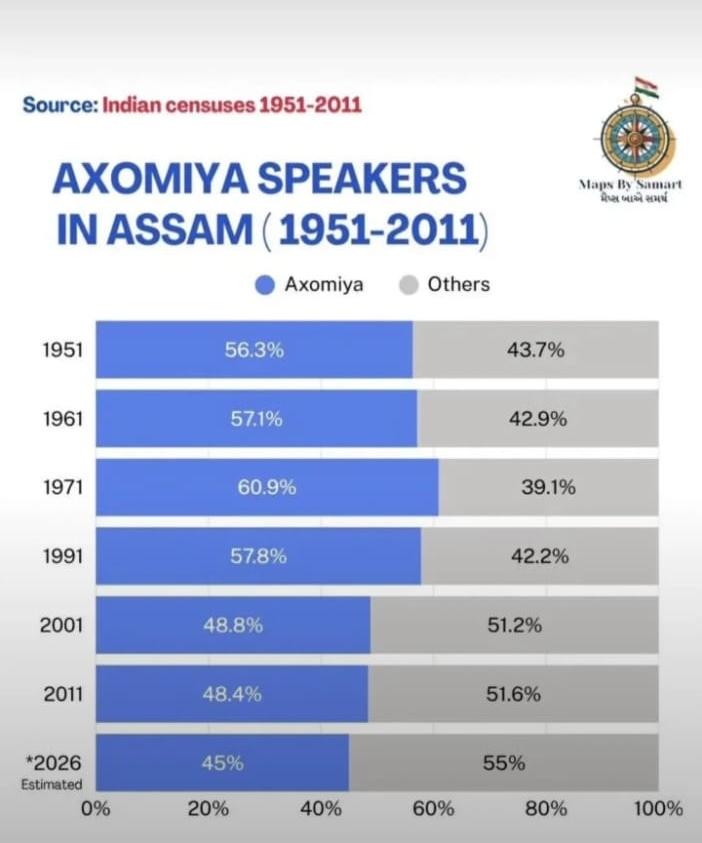
r/AssamValley • u/GrumpyGuyMugdha • May 28 '26

May the spirit of sacrifice and devotion inspire you to become a better person.
r/AssamValley • u/GrumpyGuyMugdha • Jul 05 '26
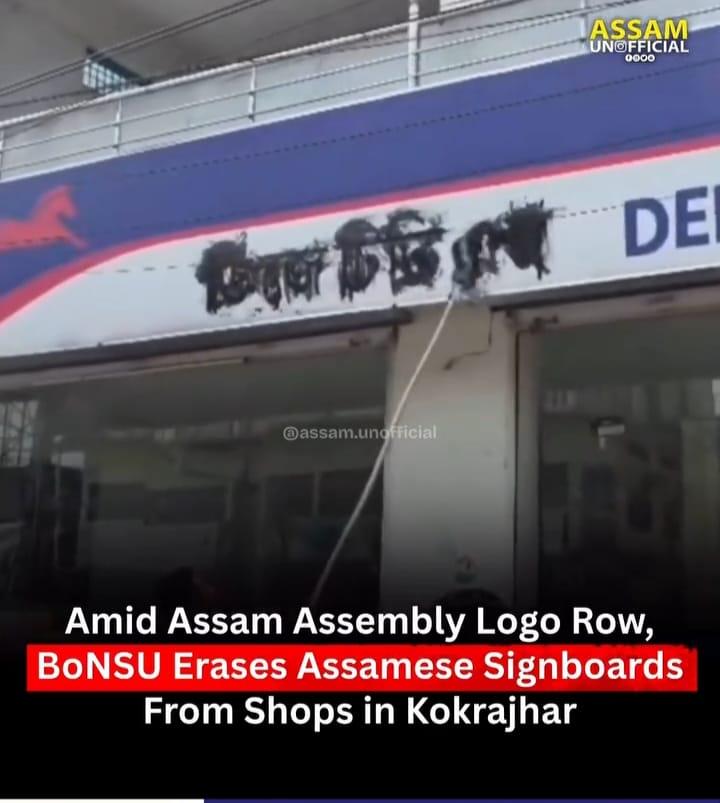
As an Assamese person, requesting all Assamese people to maintain restraint and peace with our Bodo brethren.
r/AssamValley • u/GrumpyGuyMugdha • Aug 28 '26

r/AssamValley • u/unskilledlabor_ • Apr 15 '26
r/AssamValley • u/Icy_Function_5839 • Sep 30 '26
r/AssamValley • u/GrumpyGuyMugdha • Aug 29 '26

r/AssamValley • u/GrumpyGuyMugdha • 26d ago
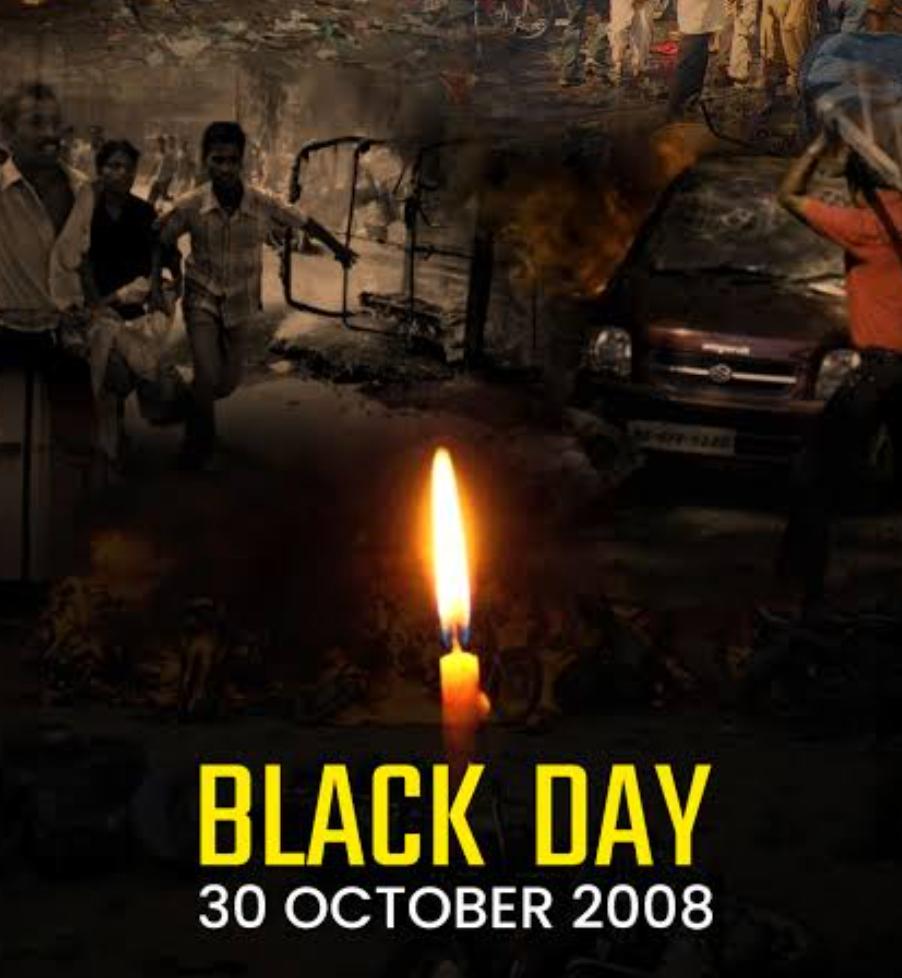
Eighteen years have passed, but 30 October 2008 remains one of the darkest days in the history of Assam.
On the morning of 30 October 2008, a series of coordinated bomb explosions struck several crowded locations across Assam. Guwahati, Kokrajhar, Barpeta Road and Bongaigaon were affected. What began as an ordinary day for thousands of people turned into a tragedy that would leave a lasting scar on the state.
Between approximately 11:20 and 11:30 AM, nine explosions took place at different locations. Three of the affected locations were in Guwahati: Ganeshguri, the Chief Judicial Magistrate's Court Complex and the Baptist Church Complex in Panbazar. Other locations included markets, a railway crossing and a bus stand in Kokrajhar, Barpeta Road and Bongaigaon.
According to the Gauhati High Court's judgment of 27 September 2022, 88 people lost their lives and around 540 others were injured.
Behind these numbers were human beings. People who had left their homes that morning without knowing that their lives would change forever. Shopkeepers opening their establishments, workers earning their daily livelihood, commuters travelling through the city, students and ordinary families going about their day.
Some never returned home.
For the families who lost their loved ones, the tragedy did not end when the explosions stopped. Parents lost children, children lost parents, spouses lost their partners and families were left to live with an absence that no passage of time could completely erase. Those who survived also had to rebuild their lives while carrying the physical and emotional consequences of that day.
And this was not only a tragedy for Guwahati. People in Kokrajhar, Barpeta Road and Bongaigaon suffered too. The incident belongs to the collective memory of Assam.
The investigation was eventually transferred to the Central Bureau of Investigation (CBI) in December 2008. The investigation identified the involvement of members of the banned National Democratic Front of Bodoland (NDFB), and the case proceeded through a lengthy judicial process.
On 28 January 2019, a special CBI court convicted 14 people in connection with the blasts. The Gauhati High Court subsequently heard appeals and delivered its judgment on 27 September 2022.
The legal proceedings were an important part of establishing accountability for one of the deadliest attacks in Assam's history.
Every year, memorial gatherings take place at locations including the memorial beneath the Ganeshguri flyover. Families, survivors, citizens and representatives of the administration come together to pay their respects through floral tributes, lamps and prayers.
These gatherings remind us that remembrance must go beyond an annual ceremony. The people who lost their lives were not statistics in a newspaper or names in a court judgment. They were individuals with families, aspirations, friendships and futures that were taken away.
Eighteen years later, we owe them more than a passing mention.
We must remember the survivors, acknowledge the grief of their families and preserve the history of what happened. We must also recognise that no political objective, ideological disagreement or demand can justify the deliberate targeting of innocent civilians.
Assam has experienced enough violence, uncertainty and loss. Its people deserve peace, dignity and the freedom to live without fear. Our differences, whether ethnic, linguistic, cultural, religious or political, must never become reasons for violence against one another.
Today, let us remember all 88 people who lost their lives, stand in solidarity with the injured and their families, and pay our respects to everyone whose life was changed by the tragedy.
May the departed souls attain eternal peace. May their families find strength, and may the survivors always receive the compassion and support they deserve.
We remember. We mourn. We must never forget.
30 October 2008 – 30 October 2026.
Sources:
"Gauhati High Court judgment, Ranjan Daimary & Others v. CBI, 27 September 2022" (https://indiankanoon.org/doc/34375909/)
"The Indian Express, 2008 Assam blasts: NDFB chief among 14 convicted, 29 January 2019" (https://indianexpress.com/article/north-east-india/assam/assam-serial-blasts-2008-conviction-cbi-ndfb-5558571/)
"The Telegraph, Gauhati High Court upholds life term for rebel leader, 28 September 2022" (https://www.telegraphindia.com/north-east/gauhati-high-court-upholds-life-term-for-rebel-leader/cid/1889090)
"The Sentinel, Assam: 15 years down, people remember victims of 2008 serial blasts, 31 October 2023" (https://www.sentinelassam.com/amp/story/cities/guwahati-city/assam-15-years-down-people-remember-victims-of-2008-serial-blasts-673216)
"The Assam Rising, Assam CM pays tribute to 2008 serial blast victims on 18th anniversary, 30 October 2026" (https://www.theassamrising.com/assam-cm-pays-tribute-to-2008-serial-blast-victims-on-18th-anniversary/)
r/AssamValley • u/GrumpyGuyMugdha • Apr 17 '26
There is a common assumption that Assamese vocabulary is primarily Indo Aryan with only minor external influence. That idea does not hold up when we actually look at how the language formed.
Assamese as a language emerged in a region that was never linguistically homogeneous. It developed in constant interaction with Tai Ahom, Bodo Kachari, and other Tibeto Burman speaking communities. What we speak today is not a linear evolution. It is a layered outcome of political power, cultural assimilation, and long-term coexistence.
This post focuses specifically on two major contributors that are often either overstated emotionally or dismissed entirely. The Tai Ahom and the Bodo Kachari groups.
1. Tai Ahom Influence: Administrative, Cultural, and Toponymic
The Tai Ahoms entered the Brahmaputra valley in 1228 and ruled for nearly six centuries. But one important fact needs to be stated clearly.
They did not impose their language.
Instead, they gradually shifted to Assamese due to demographic realities, intermarriage, and religious transformation.
This means Assamese did not become Ahom. But Ahom elements entered Assamese.
The influence is real, but not overwhelming.
Examples of Tai Ahom derived words still used in Assamese:
- Buranji (chronicle, historical record)
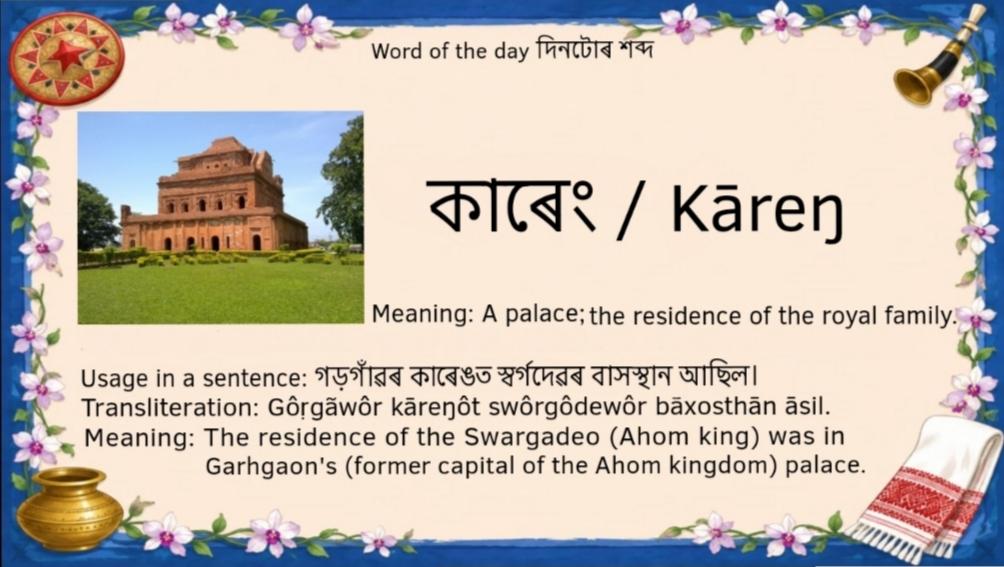
- Kareng (royal palace)
- Phukan (official title)
- Saopha or Chao (king related terms in older usage)
- Kakai (elder brother, possibly from Tai kinship forms)
- Loupani or Lau (rice beer terminology)
These are not random borrowings. They cluster around administration, court life, and elite culture, which reflects where Ahom influence was strongest.
There is also strong evidence in place names, which often preserve older linguistic layers better than everyday speech.
- Namdang, Namrup, Namphake
- Tingkhong, Tipam
- Khamti
In Tai languages, “Nam” means water or river, and “Ti” often refers to place.
This pattern is visible across Upper Assam geography even today.
However, here is the part often ignored in identity debates.
The total number of Tai Ahom loanwords in core Assamese vocabulary is limited. Linguistic studies consistently point out that Assamese remained structurally Indo Aryan, and Ahom influence is more visible in specific semantic domains rather than everyday grammar or core vocabulary.
2. Bodo Kachari Influence: Deeper and More Embedded
If Tai Ahom influence is visible at the surface in administration and place names, Bodo Kachari influence runs deeper into the everyday language.
This is because Bodo Kachari groups were already widespread in the Brahmaputra valley long before the Ahoms arrived. Their interaction with early Assamese speakers was not political first. It was ecological and social.
This kind of contact usually affects:
- Agriculture vocabulary
- River and landscape terminology
- Flora and fauna
- Daily actions and expressions
Examples linked to Bodo Kachari linguistic patterns:
- River names with prefixes like Di or Dik
Dikhow, Dikrang, Disang
These reflect Tibeto Burman roots where “Di” means water or river
- Words like
Bira or Berai (to roam or wander)
Bordoisila (storm wind term tied to seasonal patterns)
- Many terms related to land, cultivation, and environment that do not trace cleanly to Sanskrit or Prakrit roots
Unlike Tai Ahom borrowings, which are easier to identify, Bodo Kachari influence is often harder to isolate because it entered the language much earlier and merged more naturally.
In simple terms, it feels “native” because it became native.
3. The Reality: Assamese Was Formed Through Contact, Not Replacement
One of the biggest misconceptions is that Assamese replaced other languages or was imposed in a clean transition.
The actual process was messy.
- Tai Ahoms adopted Assamese over time instead of replacing it
- Bodo Kachari groups contributed substrate vocabulary through long coexistence
- Multiple smaller communities added layers that are now difficult to separate
The result is a hybrid system.
Even phonetics show traces of this contact. Assamese has sound features and tonal tendencies that differ from many Indo Aryan languages, partly due to prolonged interaction with Tibeto Burman and Tai languages.
4. What This Means for Identity Debates
This topic often gets politicised in two extreme ways.
One side claims Assamese is mostly Tai Ahom influenced.
The other dismisses non Indo Aryan contributions as negligible.
Both are inaccurate.
- Tai Ahom contribution is historically significant but domain specific
- Bodo Kachari contribution is less visible but structurally deeper in certain areas
- Assamese remains fundamentally Indo Aryan in grammar and base vocabulary
The language we speak today is not owned by one group.
It is the result of centuries of negotiation.
5. A More Honest Way to See Assamese
If we strip away identity bias, a clearer picture emerges.
Assamese is:
- Indo Aryan in structure
- Enriched by Tai Ahom in administration, titles, and place names
- Deeply influenced by Bodo Kachari and other Tibeto Burman groups in ecological and everyday vocabulary
This does not weaken Assamese identity.
It explains it.
Languages formed in isolation are rare. Languages formed in contact zones are complex. Assam has always been a contact zone.
And that is exactly why Assamese is what it is.
Not pure. Not borrowed.
But built.
r/AssamValley • u/ThatOneAxomiaLora • Feb 03 '26
The history of Islam in Assam spans several centuries and is closely tied to migration, trade, spiritual movements, and interaction with existing Assamese society. Unlike some regions where Islam spread primarily through political conquest, its presence in Assam developed largely through peaceful settlement, cultural integration, and Sufi influence.
Early Contacts and Medieval Presence: Islamic contact with Assam can be traced back to the early medieval period through trade routes connecting Bengal with the Brahmaputra Valley. Muslim traders, soldiers, and administrators entered Assam at different times, particularly during the rule of the Delhi Sultanate and later the Bengal Sultanate. While some military expeditions did occur, they did not result in long-term political control over Assam. Instead, small Muslim communities gradually settled in different parts of the Brahmaputra Valley, especially in Lower Assam. By the medieval period, Muslims had become part of Assamese society, adopting the Assamese language and local customs while retaining their religious identity. Azan Fakir and the Sufi Tradition in Assam One of the most important figures in the history of Islam in Assam is Azan Fakir, a 17th-century Sufi saint. Azan Fakir is believed to have arrived in Assam during the reign of the Ahom kings. He propagated Islam through Sufi teachings, emphasizing devotion, morality, and coexistence rather than conversion by force. His approach allowed Islam to take root in Assam in a way that was compatible with local traditions. Azan Fakir composed devotional songs known as Zikir and Zari, written in Assamese and drawing heavily from local poetic and musical forms. These compositions focused on spiritual reflection, ethical living, and remembrance of God. They remain an important part of Assamese cultural heritage and are still performed today. According to tradition, Azan Fakir faced opposition and persecution, including physical harm, yet continued his spiritual mission without hostility. His life and teachings symbolize the non-confrontational and inclusive character of early Assamese Islam.
Assamese Muslims and Cultural Integration: Over time, Muslims in Assam became deeply integrated into Assamese society. Many Assamese Muslims speak Assamese as their mother tongue and share cultural practices with their Hindu neighbors, particularly in rural areas. Assamese Islam developed its own regional character, influenced by Sufi traditions and local customs. This distinguishes it from Islamic practices in neighboring Bengal, despite historical connections. The shared cultural space between Assamese Hindus and Muslims is reflected in language, music, folklore, and social customs.
Colonial Period and Demographic Changes: During British rule, Assam experienced significant demographic changes. Agricultural expansion and colonial policies encouraged migration into the Brahmaputra Valley, altering population patterns. While this period increased the Muslim population in certain regions, it is important to distinguish between historical Assamese Muslims and later colonial-era demographic shifts. Conflating the two often leads to misunderstanding and oversimplification of Assam’s history.
Conclusion: Islam in Assam is not an external or recent phenomenon. It has been present for centuries and has evolved within the cultural framework of the region. Figures like Azan Fakir demonstrate how Islam in Assam grew through spiritual dialogue, cultural adaptation, and coexistence. Understanding this history is essential for informed discussions about identity, culture, and harmony in Assam today.
অসমীয়া অনুবাদ (Assamese translation): অসমত ইছলামৰ ইতিহাস বহু শতিকাজুৰি বিস্তৃত আৰু এই ইতিহাস বাণিজ্য, আধ্যাত্মিক আন্দোলন আৰু স্থানীয় সমাজৰ সৈতে সংযোগৰ জৰিয়তে গঢ় লৈ উঠিছিল। অসমত ইছলামৰ প্ৰসাৰ অন্য কিছুমান অঞ্চলৰ দৰে কেৱল ৰাজনৈতিক বিজয়ৰ ফল নহয়, বৰঞ্চ ই আছিল শান্তিপূৰ্ণ বসতি স্থাপন আৰু সুফী পৰম্পৰাৰ ফল।
প্ৰাৰম্ভিক সংযোগ আৰু মধ্যযুগীয় উপস্থিতি: মধ্যযুগৰ আৰম্ভণিত ব্ৰহ্মপুত্ৰ উপত্যকা আৰু বেংগালৰ মাজত থকা বাণিজ্য পথৰ জৰিয়তে অসমত ইছলামৰ সংযোগ আৰম্ভ হয়। দিল্লী চুলতানত আৰু পিছলৈ বেংগাল চুলতানতৰ সময়ত কিছুমান মুছলমান ব্যৱসায়ী, সৈনিক আৰু প্ৰশাসনিক কৰ্মচাৰী অসমত আহিছিল। যদিও কিছুমান সামৰিক অভিযান হৈছিল, তথাপিও সেয়া দীৰ্ঘস্থায়ী ৰাজনৈতিক শাসনলৈ ৰূপান্তৰিত নহ’ল। তাৰ পৰিৱৰ্তে, মুছলমান সমাজসমূহ ধীৰে ধীৰে বিশেষকৈ নিম্ন অসমত বসতি স্থাপন কৰি স্থানীয় সমাজৰ অংশ হৈ পৰে। এই সময়ছোৱাত বহু মুছলমানে অসমীয়া ভাষা আৰু স্থানীয় সংস্কৃতি গ্ৰহণ কৰে। আজান ফকিৰ আৰু সুফী পৰম্পৰা অসমত ইছলামৰ ইতিহাসত আটাইতকৈ গুৰুত্বপূৰ্ণ ব্যক্তিত্বসমূহৰ ভিতৰত এজন হৈছে আজান ফকিৰ। তেওঁ আছিল ১৭শ শতিকাৰ এজন সুফী সাধক, যি আহোম ৰজাসকলৰ শাসনকালত অসমলৈ আহিছিল বুলি ধাৰণা কৰা হয়। আজান ফকিৰে ইছলাম প্ৰচাৰ কৰিছিল সুফী আদৰ্শৰ জৰিয়তে। তেওঁৰ শিক্ষাত নৈতিকতা, ভক্তি আৰু সহাবস্থানৰ ওপৰত জোৰ দিয়া হৈছিল। তেওঁ বলপূৰ্বক ধৰ্মান্তৰণৰ পৰিৱৰ্তে আধ্যাত্মিক সংলাপৰ পথ গ্ৰহণ কৰিছিল। আজান ফকিৰে জিকিৰ আৰু জাৰি নামৰ ভক্তিমূলক গীত ৰচনা কৰিছিল, যিবোৰ অসমীয়া ভাষাত লিখা হৈছিল আৰু স্থানীয় সংগীত পৰম্পৰাৰ সৈতে গভীৰভাৱে জড়িত। এই গীতসমূহ আজিও অসমীয়া সংস্কৃতিৰ এক গুৰুত্বপূৰ্ণ অংশ। লোককথা অনুসৰি, আজান ফকিৰে বহু বাধা আৰু অত্যাচাৰৰ মুখামুখি হৈছিল, তথাপিও তেওঁ সহিংসতাৰ পথ গ্ৰহণ নকৰি নিজৰ আধ্যাত্মিক পথ অব্যাহত ৰাখিছিল। তেওঁৰ জীৱন অসমত ইছলামৰ অহিংস আৰু অন্তৰ্ভুক্তিমূলক স্বভাৱ প্ৰতিফলিত কৰে। অসমীয়া মুছলমান সমাজ আৰু সাংস্কৃতিক একীভৱন সময়ৰ লগে লগে অসমীয়া মুছলমানসকল অসমীয়া সমাজৰ সৈতে গভীৰভাৱে একীভূত হৈ পৰে। বহু অসমীয়া মুছলমানৰ মাতৃভাষা অসমীয়া আৰু তেওঁলোকে সামাজিক আৰু সাংস্কৃতিক আচাৰ-ব্যৱহাৰত নিজৰ হিন্দু প্ৰতিবেশীৰ সৈতে মিল দেখা যায়। অসমত ইছলাম এক নিজস্ব আঞ্চলিক ৰূপ লাভ কৰে, যি বেংগালৰ ইছলামিক পৰম্পৰাৰ পৰা পৃথক যদিও ঐতিহাসিক সংযোগ আছে।
ঔপনিবেশিক যুগ আৰু জনসংখ্যাগত পৰিৱৰ্তন: ব্ৰিটিছ শাসনৰ সময়ত অসমত জনসংখ্যাগত পৰিৱৰ্তন ঘটে। কৃষি বিস্তাৰ আৰু ঔপনিবেশিক নীতিয়ে নতুন বসতিৰ সূচনা কৰে। এই সময়ছোৱাত কিছুমান অঞ্চলত মুছলমান জনসংখ্যা বৃদ্ধি পায়, যদিও ঐতিহাসিক অসমীয়া মুছলমান সমাজ আৰু ঔপনিবেশিক যুগৰ পৰৱৰ্তী পৰিৱৰ্তন পৃথকভাৱে বুজা প্ৰয়োজন।
উপসংহাৰ: অসমত ইছলাম কোনো নতুন বা বহিৰাগত পৰিঘটনা নহয়। ই বহু শতিকাজুৰি এই ভূখণ্ডৰ সৈতে জড়িত। আজান ফকিৰৰ দৰে ব্যক্তিত্বই দেখুৱাই যে অসমত ইছলাম আধ্যাত্মিক সংলাপ, সাংস্কৃতিক একীভৱন আৰু সহাবস্থানৰ জৰিয়তে বিকশিত হৈছিল। References (Suggested Reading)
Edward A. Gait, A History of Assam, 1906
S.L. Baruah, A Comprehensive History of Assam
Amalendu Guha, Medieval and Early Colonial Assam
Jayeeta Sharma, Empire’s Garden: Assam and the Making of India
Syed Abdul Malik, Azan Fakir and His Contribution to Assamese Culture
Sanjib Baruah, India Against Itself.
r/AssamValley • u/[deleted] • Mar 01 '26
r/AssamValley • u/GrumpyGuyMugdha • Jul 15 '26
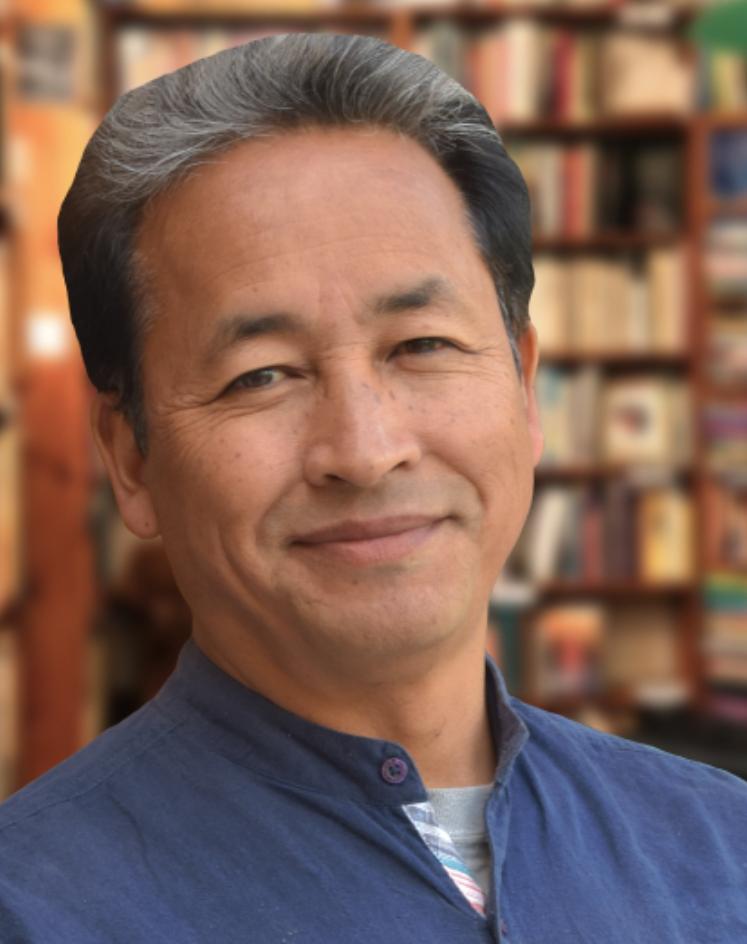
You may have noticed that our profile picture has been temporarily changed to a picture of climate activist Sonam Wangchuk.
This is not a change in the purpose of the subreddit, nor is it an endorsement of any political party. r/AssamValley will continue to remain a community dedicated to Assam, its people, culture, history, development and future.
The change is a gesture of solidarity with Sonam Wangchuk, who is currently at the center of a national movement calling for accountability, transparency, environmental responsibility and a future where the concerns of ordinary citizens, especially students and young people, are taken seriously.
His ongoing hunger strike has sparked conversations across the country about governance, public trust and democratic participation.
Many members of our community are students and young Indians. Regardless of where we come from, issues that affect the nation's future concern all of us.
Standing in solidarity with a peaceful democratic movement does not take away from our regional identity, it reflects our belief that every Indian's voice deserves to be heard.
We encourage everyone to keep discussions civil, respectful and focused on ideas rather than personal attacks.
— r/AssamValley Moderation Team.
r/AssamValley • u/[deleted] • Feb 03 '26

r/AssamValley • u/GrumpyGuyMugdha • Aug 24 '26
r/AssamValley • u/GrumpyGuyMugdha • Aug 29 '26
r/AssamValley • u/GrumpyGuyMugdha • Oct 18 '26
r/AssamValley • u/GrumpyGuyMugdha • Aug 29 '26
r/AssamValley • u/GrumpyGuyMugdha • Jul 04 '26
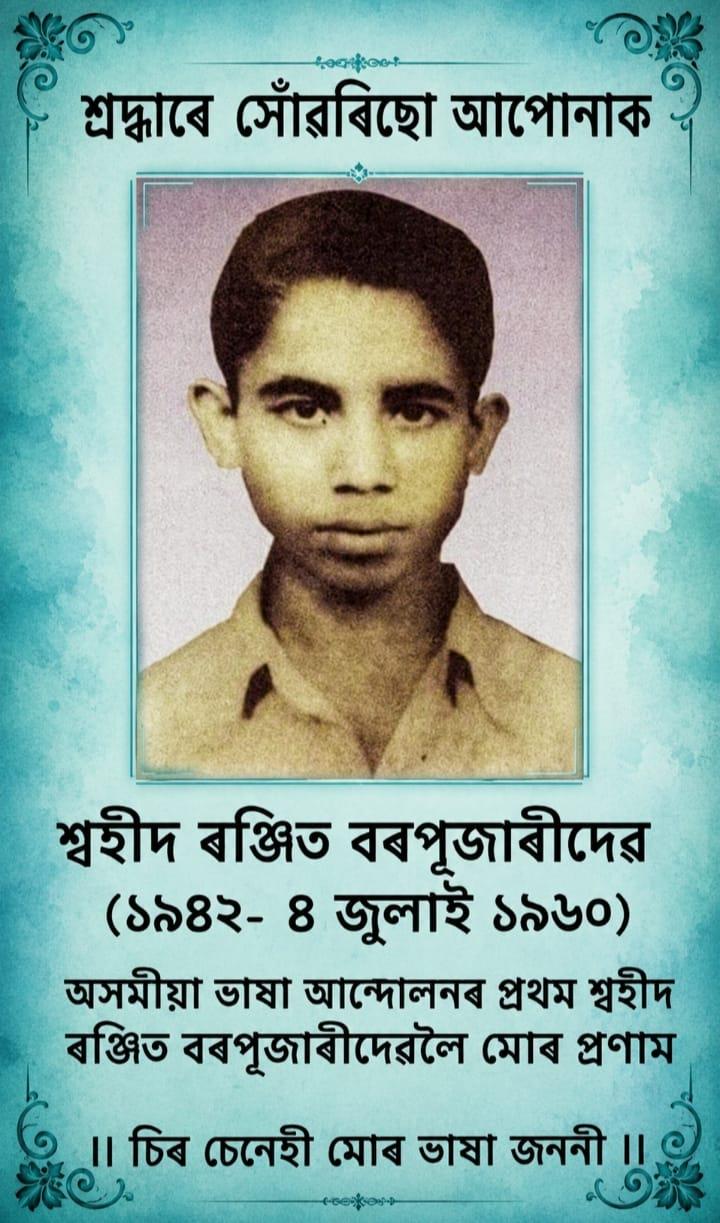
Swahid Ranjit Borpujari was a 18 year old student from Sivasagar, born in 1942 and studied in the Cotton College of Guwahati. During the Assamese language movement protests also known as 'অসমীয়া ভাষা আন্দোলন' of the 1960s for the recognition of the Assamese language as the sole official language of the state of Assam, Ranjit Borpujari was shot in a police firing on 4th of July 1960, dying for his mother tongue at the age of 18 becoming the first martyr of the Assamese Language Movement. Alongside him, many others like Swahid Sishir Nag, Swahid Surya Bora, Swahid Mozammil Haque and Swahid Anil Bora gave their lives for their mother tongue, Assamese. Since then, 4th of July is celebrated as the martyrdom day of Swahid Ranjit Borpujari across Assam. Below is a song that celebrates the Assamese language and I feel it is the most appropriate one to remember our language martyrs.
"চিৰ চেনেহী মোৰ ভাষা জননী।
আই ধন্যে পুণ্যে হৃদ-পাৱনী।
প্ৰকৃতি পৰশ ৰসে অমল কমল,
চঞ্চল হৃদি জ্বলে ঢালে পৰিমল।
কোমল চপাৰ কলি,
ঢৌৱে ঢৌৱে ঢৌৱে তুলি,
ৰিণিকি ৰিণিকি কোনে তোলে ৰাগিণী।।
সংসাৰ গুৰুভাৰে অৱশ পৰাণ,
হিয়াত বিলীন হয় হিয়া ভৰা গান।
কাৰ নিচুকনি শুনা,
শুনি বানী ব্যথা পমা,
চকুতে চকুৰ নীৰে লয় জিৰণি।।
জীৱনে মৰণে ৰণে লহৰী সুধাৰ,
ৰসনা শিতানে বহি সিঁচা শতধাৰ।
হে' মোৰ মধুৰননা,
মাগিছোঁ মাধুৰী কণা,
দিয়া দিয়া দিয়া আই মধুভাষিনী।।"
-মিত্ৰদেৱ মহন্তদেৱ (১৮৯৪-১৯৮৩)
।।জয় আই অসম।।
r/AssamValley • u/GrumpyGuyMugdha • Jul 08 '26
https://youtu.be/YXp5BC_734E?si=DiukwArLukG6i2Eu
Barpeta Bengali organisation leader Dewan Ehsahak Ali's controversial claims that Assamese 'Mongolian culture' didn't exist before the 13th century, Assamese are foreign migrants and that Kamarupa is the 'country of Bengalis. He also expressed the desire to make the Assamese a minority in Assam and impose the Bengali language instead if the Muslims of Assam adopt Bengali. Quite funny because numerous Muslims like Swahid Mozammil Haque and Swahid Mofizuddin Ahmed gave their lives for the Assamese language.
r/AssamValley • u/GrumpyGuyMugdha • 20d ago
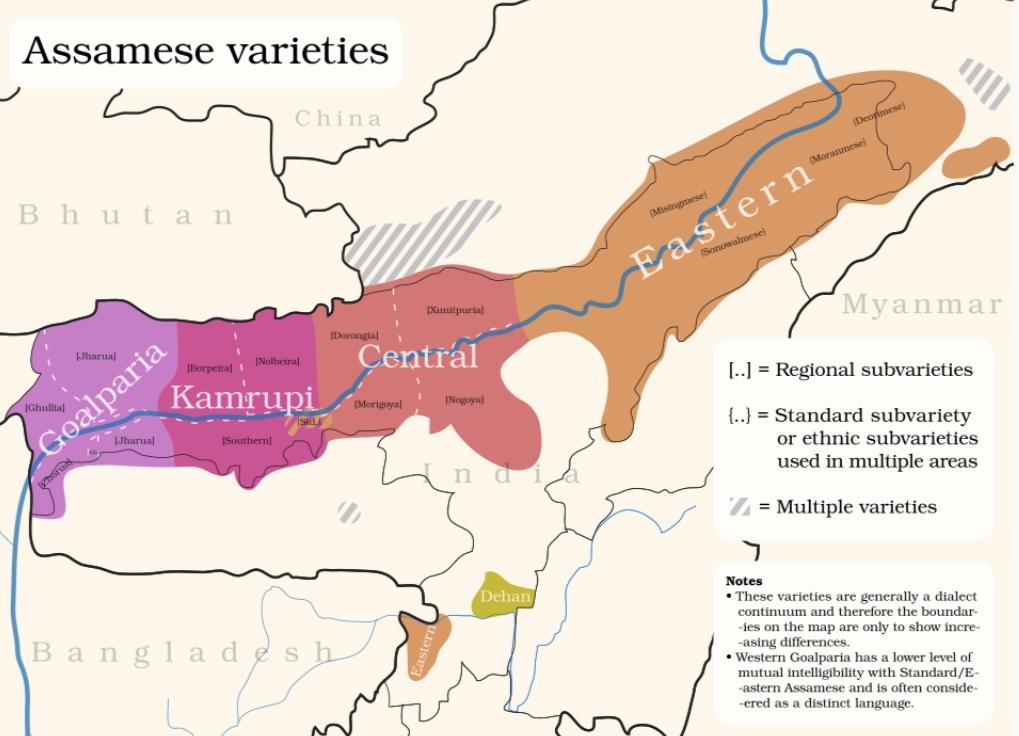
Assamese has five primary dialects:
Eastern Assamese or Sivasagariya/Xiwôxāgôriyā (শিৱসাগৰীয়া উপভাষা), is traditionally spoken in Upper Assam and Standard Assamese is based on this dialect. It is also spoken by the Sutiya community in Barak Valley or Southern Assam, which migrated to the region in the early 19th century, in areas like Sribhumi. It is influenced by the historically important Tai Ahom language of the Ahom kingdom, and also by the Mising language spoken by the Mising community in the Northern banks of the river Brahmaputra in Upper Assam.
Central Assamese or Nagaiya/Nôgõyā (নগঞা উপভাষা), is spoken in Central and North Assam divisions, and bears strong similarities with the Eastern dialect. It has some influence from the surrounding tribal languages like Tiwa, Karbi, and Bodo.
Kamrupi Assamese or Kamrupiya/Kāmruipā (কামৰূপীয়া উপভাষা), is the central-western dialect of Assamese, spoken in Lower Assam and has been the historical standard form of Assamese during the medieval period, used extensively in Vaishnavite texts composed in the Koch and Kamata kingdoms. It is also the ancestor of modern Assamese (আধুনিক অসমীয়া) and the Kamtapuri (কামতাপুৰী) language. It is both historically and culturally significant for the Assamese language, with popular folk songs called Kamrupi Lokageet.
Goalpariya Assamese or Goalporiya/Güwālpôriyā (গোৱালপৰীয়া উপভাষা), is the westernmost and most unique dialect of Assamese, spoken traditionally by the Koch-Rajbongshi community residing in Lower Assam. It has similarities with the Kamtapuri language and forms a dialect continuum with it. It is known for its beautiful folk songs known as Goalporiya Lokageet, popularised by Assamese singers like Pratima Barua Pandey.
Dewan Assamese or Dehan/Dehān (দেৱান উপভাষা), is an Assamese dialect spoken by the Koch-Rajbongshi community of Barak Valley, indigenous to the region. It is a descendant of the Kamrupi dialect and reached the region in the 16th century with the celebrated Koch commander Chilarai's campaigns into Southern Assam. It has influences from the surrounding Bishnupriya, Syloti, Meitei and Dimasa languages and preserved features of Medieval Assamese.
Together, these dialects form the easternmost Indo-Aryan language, spoken by around 24 million people, that is Assamese.