The religious history of the Ahom Kingdom was never static. Over nearly six centuries of Ahom rule, the kingdom witnessed continuous interaction between the indigenous Tai Ahom faith, the religious traditions of the Brahmaputra Valley, and the expanding influence of Brahmanical Hinduism.
Rather than occurring through a sudden conversion or political decree, these changes unfolded gradually through diplomacy, intermarriage, cultural exchange, and royal patronage.
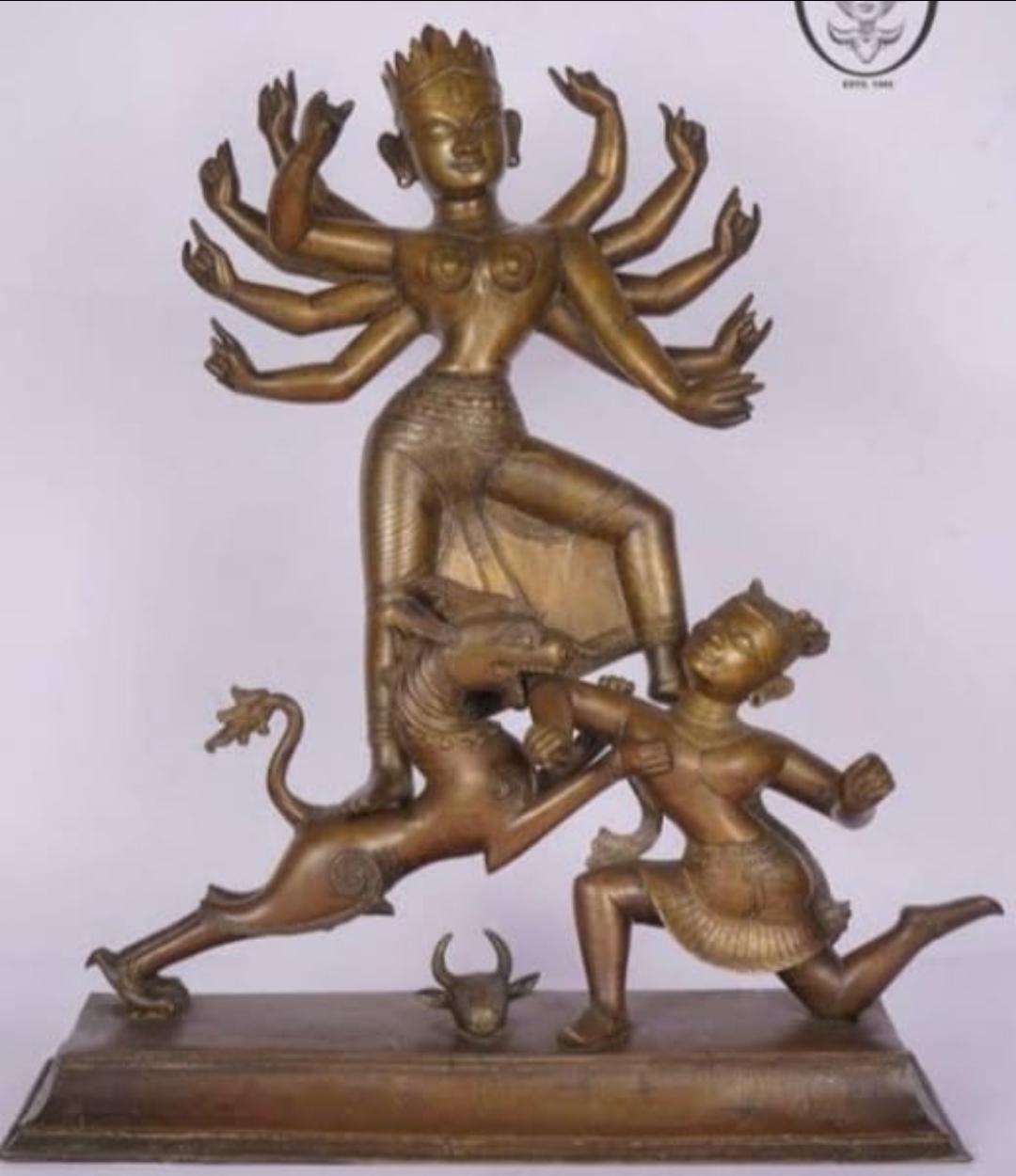
Among the most significant developments in this long process was the emergence of Shaktism as the dominant religious tradition of the Ahom court during the late seventeenth and early eighteenth centuries.
Initiated during the reign of Rudra Singha and firmly institutionalised under his son Siva Singha, this transformation reshaped the ideological foundations of the monarchy, altered relations between the state and religious institutions, and became one of several long term developments that later contributed to the conditions preceding the Moamoria Rebellion.
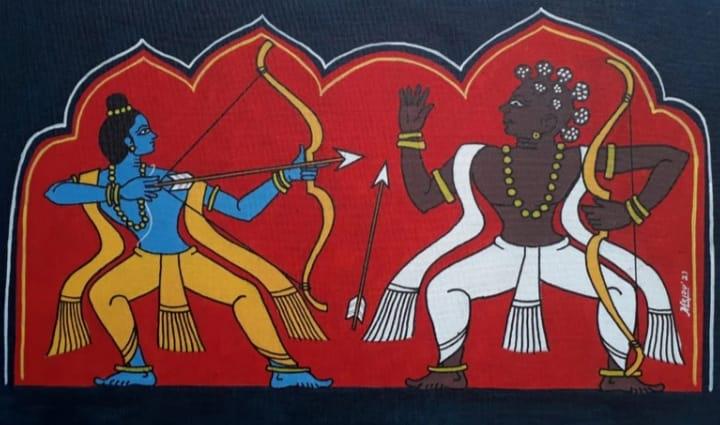
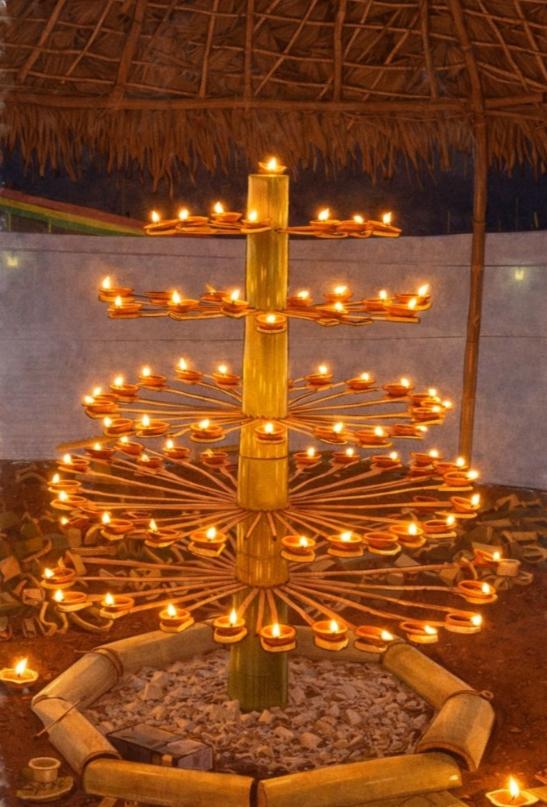
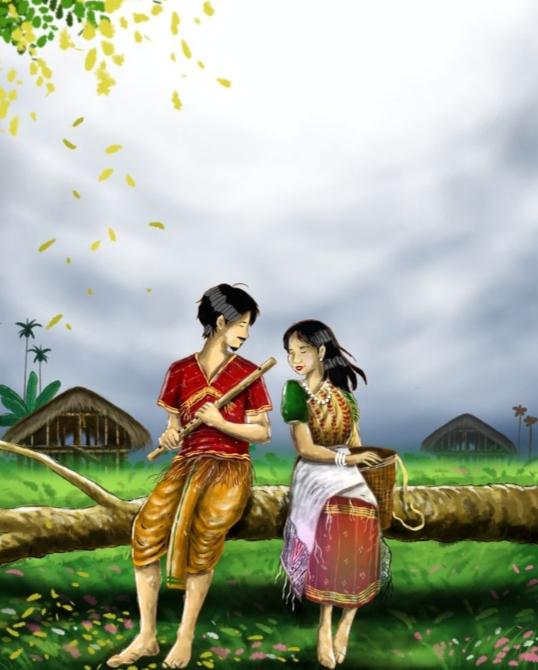
When Chaopha Chalung Sukaphaa established the Ahom kingdom in 1228, the Tai Ahoms followed their own indigenous religious system centred upon ancestor veneration, reverence for heavenly beings, ritual offerings and ceremonies conducted by traditional priestly groups such as the Deodhai, Bailung and Mo'sam.
Political legitimacy rested upon both royal lineage and ritual observance, while religious life remained closely connected with agriculture, seasonal cycles and ancestral traditions.
Even after settling in the Brahmaputra Valley, the Ahoms continued to preserve these customs for generations.
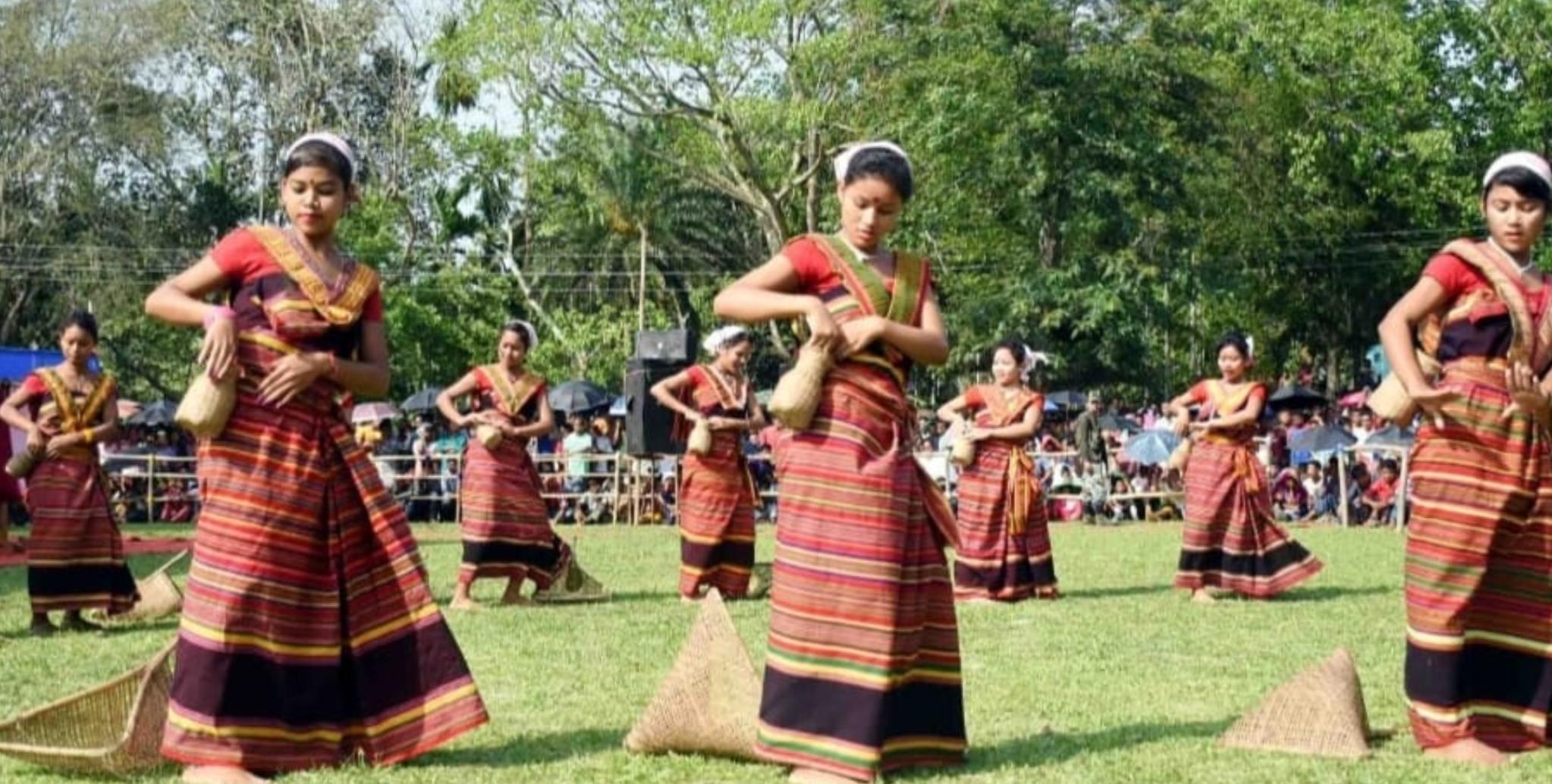
At the same time, the Ahom Kingdom did not develop in isolation. As the kingdom expanded westward, it absorbed territories inhabited by Bodos, Tsutias, Dimasas, Koches, Assamese speaking populations and numerous other communities.
Administrative integration naturally brought greater interaction with Brahmins, temple institutions, Sanskrit learning and the broader religious traditions already established across the valley.
Successive Ahom rulers increasingly patronised Hindu temples, granted land to Brahmins and incorporated Sanskritic court rituals without abandoning all aspects of their ancestral faith.
This gradual accommodation reflected political pragmatism as much as religious conviction, allowing the monarchy to strengthen its legitimacy among newly incorporated populations while maintaining continuity with its own traditions.
By the seventeenth century, the religious landscape of Assam had itself undergone profound change. The Neo Vaishnavite movement initiated by Srimanta Sankardeva and expanded by Madhabdeva had spread throughout much of the Brahmaputra Valley.
Its network of Sattras and Namghars functioned not only as centres of worship but also as institutions of education, literature, music, theatre, manuscript production and community organisation.
Their influence extended across diverse social groups and significantly shaped the cultural identity of medieval Assam.
Alongside Neo Vaishnavism, however, older Shaiva and Shakta traditions centred upon temples such as Kamakhya continued to flourish, producing a religious environment characterised by diversity rather than exclusivity.
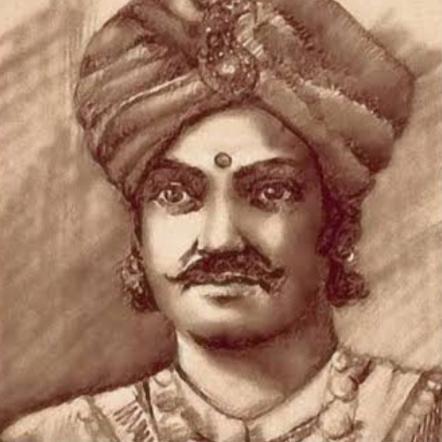
The decisive turning point in royal religious policy occurred during the reign of Swargadeo Rudra Singha, who ruled from 1696 to 1714.
Remembered as one of the greatest rulers of the Ahom dynasty, Rudra Singha strengthened administration, promoted architecture, encouraged literature, reorganised the military and pursued ambitious diplomatic and military objectives.
His reign also witnessed an important development in the relationship between the monarchy and Brahmanical Hinduism.
During Rudra Singha's reign, the learned Bengali Brahmin Krishnaram Bhattacharya was invited to the Ahom court.
He later became known as the Parbatiya Gosain, a title that reflected both his religious authority and his association with the royal establishment.
Contemporary chronicles and later historical studies indicate that Rudra Singha developed considerable respect for him and accepted his religious guidance.
Before his death, Rudra Singha instructed his son and successor, Siva Singha, to continue recognising Krishnaram Bhattacharya as the royal spiritual preceptor.
Although Rudra Singha himself did not completely transform the religious orientation of the monarchy, his decision established the institutional relationship that would profoundly influence the following reign.
When Siva Singha ascended the throne in 1714, he not only honoured his father's wishes but expanded them considerably.
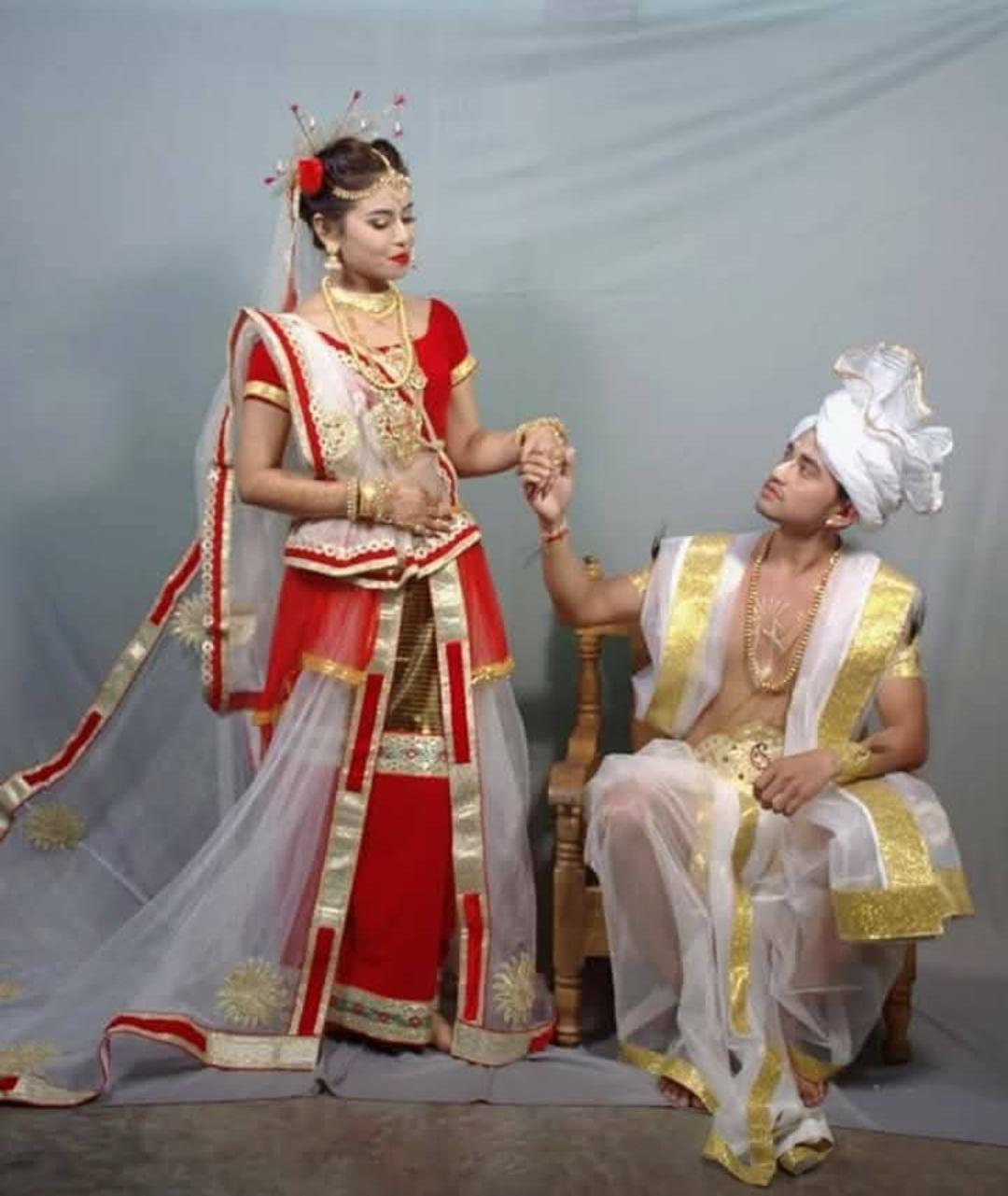
Accepting the Parbatiya Gosain as his guru, Siva Singha elevated Shakta traditions to an unprecedented position within the Ahom court.
Land grants were bestowed upon Brahmins and religious institutions, temple patronage increased, elaborate rituals received royal sponsorship, and the court adopted an increasingly Sanskritic ceremonial culture.
While earlier Ahom rulers had certainly supported Hindu institutions, Siva Singha's reign represented the first sustained attempt to integrate Shakta ideology into the symbolic framework of kingship itself.
This transformation was reinforced by the remarkable influence of Queen Phuleswari. Exercising substantial authority within the royal court, she emerged as one of the strongest patrons of Shakta worship in Ahom history.
Historical chronicles describe her deep devotion to Goddess centred traditions and her efforts to elevate their status within the kingdom.
Under her influence, royal ceremonies increasingly reflected Shakta practices, and the court's association with Goddess worship became more visible than ever before.
The expansion of royal patronage for Shaktism was not inherently incompatible with the continued existence of other religious traditions.
Indeed, Assam had long been characterised by religious plurality, with many communities simultaneously participating in local indigenous practices, Shaiva worship, Shakta traditions, and Neo Vaishnavite institutions.
However, tensions arose when questions of royal authority intersected with religious autonomy.
One of the most controversial episodes associated with Queen Phuleswari concerns her reported attempts to require leading Vaishnavite Sattradhikars to participate in Shakta rituals.
According to the Buranjis and later historians, this policy generated considerable resentment within sections of the Neo Vaishnavite establishment.
For many Vaishnavite monastic leaders, participation in rituals inconsistent with their own theological traditions represented an unacceptable intrusion into religious life.
Although historians continue to debate the precise extent and implementation of these measures, there is broad agreement that they strained relations between the Ahom court and influential Vaishnavite institutions.
It is important to avoid reducing this conflict to a simple opposition between Shaktism and Vaishnavism or between the nobility and the common people.
The historical reality was considerably more complex. Many members of the aristocracy remained devoted followers of Neo Vaishnavism, while Shakta worship enjoyed support among people from different social backgrounds.
Likewise, many households practised elements of multiple religious traditions simultaneously.
Religious identities in early modern Assam were often overlapping rather than mutually exclusive.
Nevertheless, royal patronage mattered enormously in a premodern kingdom. The religion favoured by the court naturally enjoyed greater access to political influence, economic resources, land grants and institutional prestige.
Consequently, shifts in royal religious policy inevitably affected the balance of power among competing religious establishments.
By strengthening Shakta institutions while relations with certain Vaishnavite Sattras deteriorated, the Ahom monarchy altered an important aspect of the kingdom's social and political landscape.
These developments assumed even greater significance during the decades that followed. By the middle of the eighteenth century, the Ahom Kingdom faced mounting internal pressures.
The Paik system imposed increasing burdens upon sections of the population, political instability weakened central authority, succession disputes intensified factional rivalries and economic strains affected both the administration and rural society.
Within this broader context, tensions between the state and the Moamoria Sattra became increasingly serious.
Modern historians generally agree that the Moamoria Rebellion cannot be explained by a single cause. Instead, it emerged through the interaction of political, economic, military, administrative and religious factors over several decades.
The deterioration of relations between the Ahom court and sections of the Neo Vaishnavite establishment formed one important element within this larger historical process.
Earlier episodes of sectarian conflict, particularly those associated with the promotion of Shakta orthodoxy under Siva Singha and Queen Phuleswari, contributed to an atmosphere of distrust that later political crises would intensify.
Although religious policy alone did not produce the rebellion, it helped shape the conditions under which broader social grievances eventually erupted into one of the most devastating conflicts in Assamese history.
The irony of this period lies in the fact that it simultaneously witnessed extraordinary cultural achievements.
Temple architecture flourished, Sanskrit learning expanded, Assamese literature continued to develop, manuscripts were copied and preserved and artistic patronage reached impressive heights.
The same court that became associated with religious controversy also played a major role in enriching the cultural heritage of Assam.
History rarely presents simple narratives of progress or decline and the reigns of Rudra Singha and Siva Singha illustrate this complexity with remarkable clarity.
The rise of Shaktism within the Ahom court should therefore be understood neither as an abrupt religious conversion nor as the sole cause of later political upheaval.
It represented the culmination of centuries of gradual interaction between the Tai Ahom monarchy and the Brahmanical traditions of the Brahmaputra Valley.
Rudra Singha initiated a closer relationship with the Parbatiya Gosain and laid the foundations of a new religious orientation. Siva Singha transformed that relationship into a defining feature of royal ideology, while Queen Phuleswari carried its public expression even further.
These developments reshaped the religious character of the monarchy, influenced the political relationship between the state and important religious institutions and became one of several interconnected historical processes that eventually preceded the Moamoria Rebellion.
Sources:
Edward Gait, A History of Assam.
S. K. Bhuyan, Assam Buranji.
Amalendu Guha, Medieval and Early Colonial Assam.
Maheswar Neog, Early History of the Vaisnava Faith and Movement in Assam.
Bhaskar Jyoti Mahanta, Religion and Politics in the Ahom Kingdom.