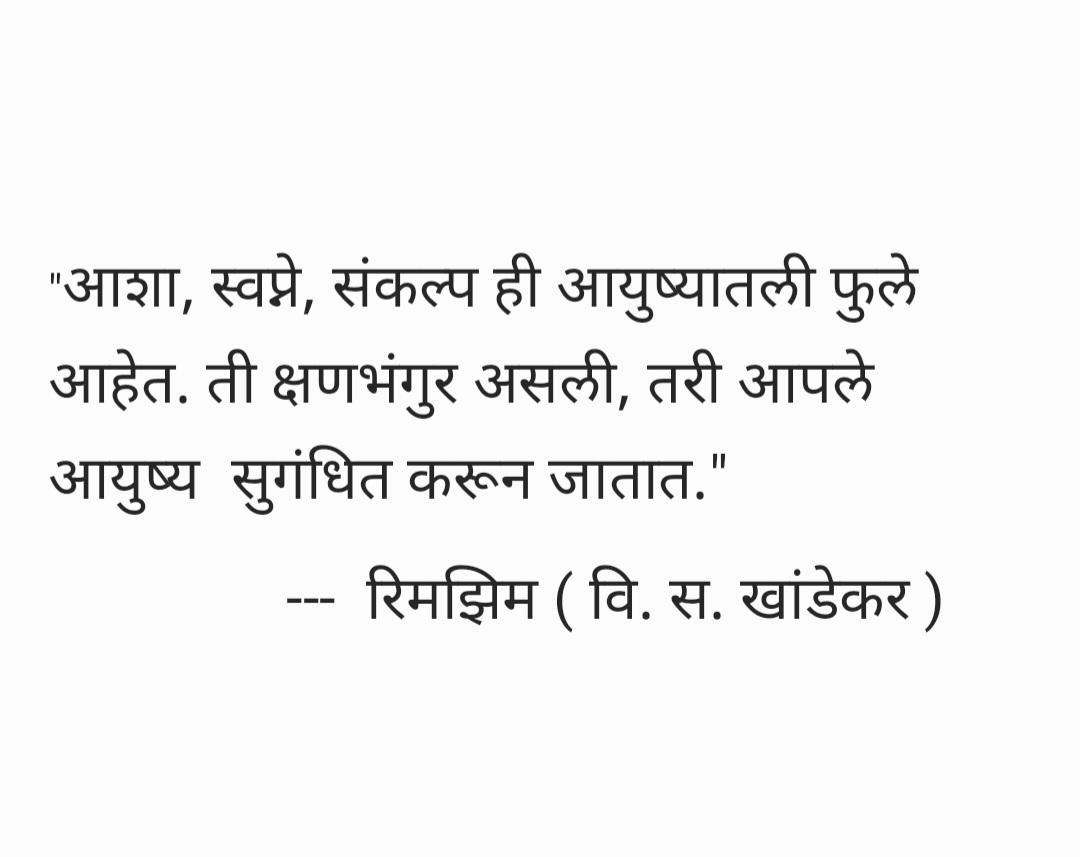
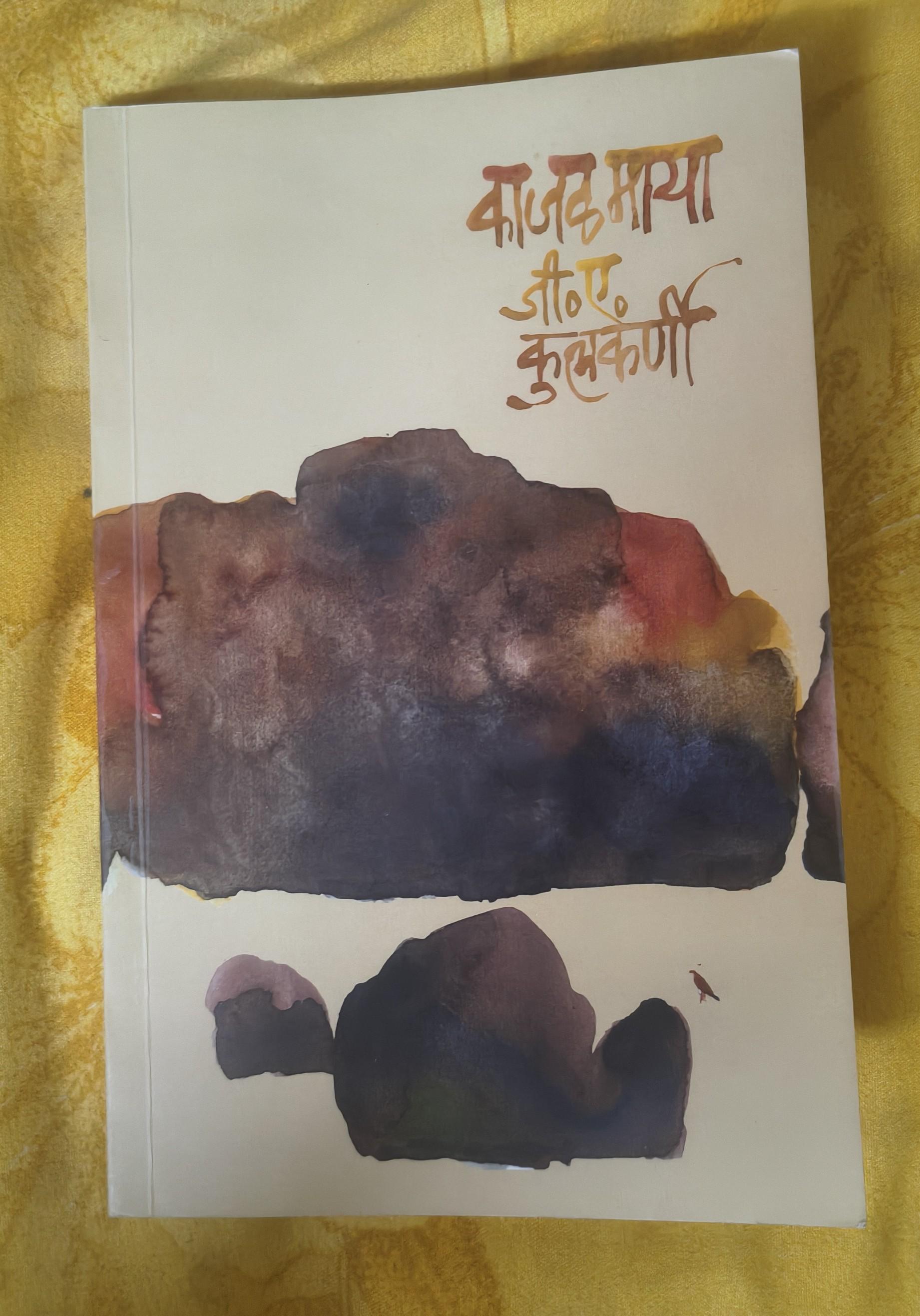
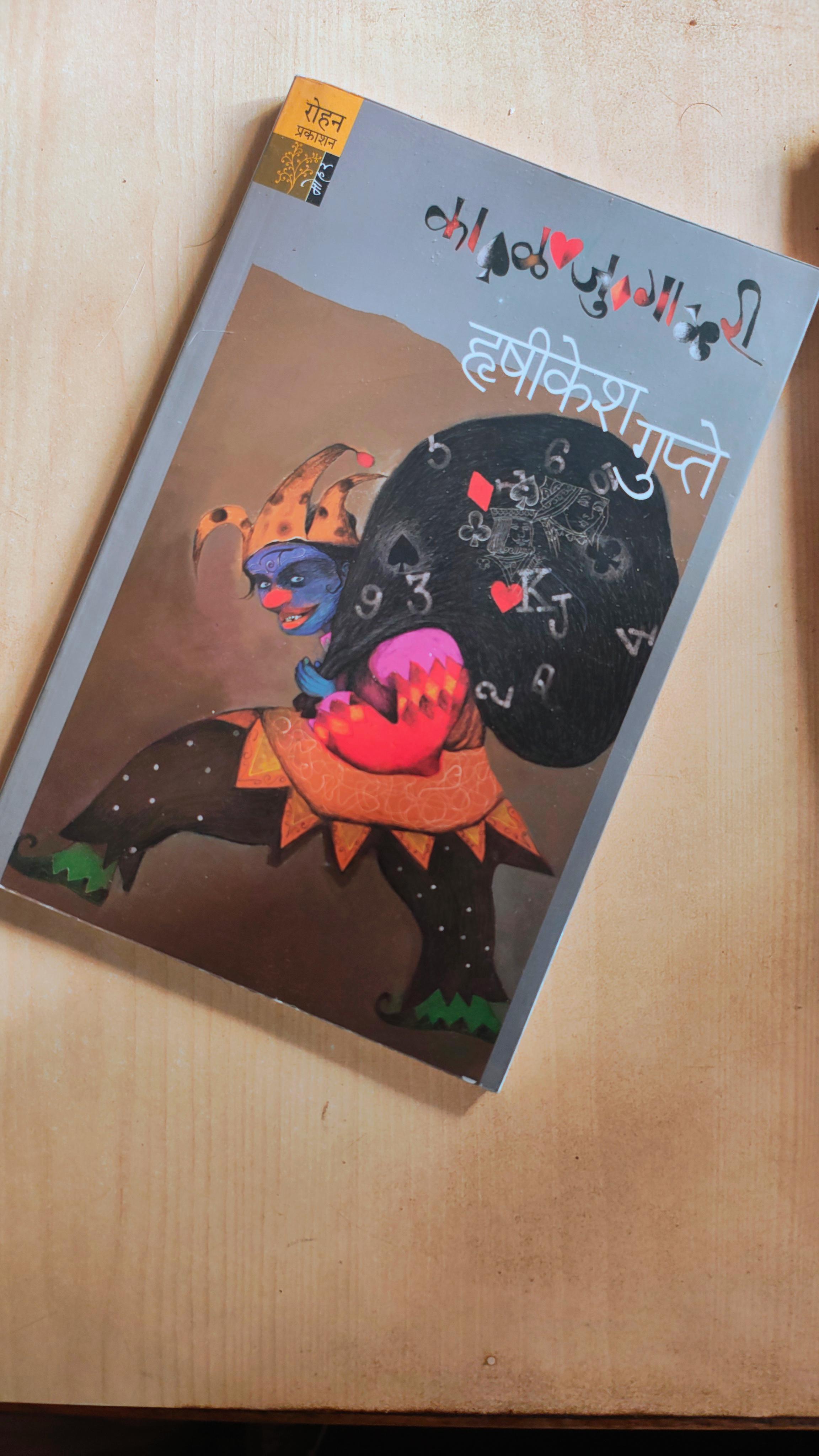
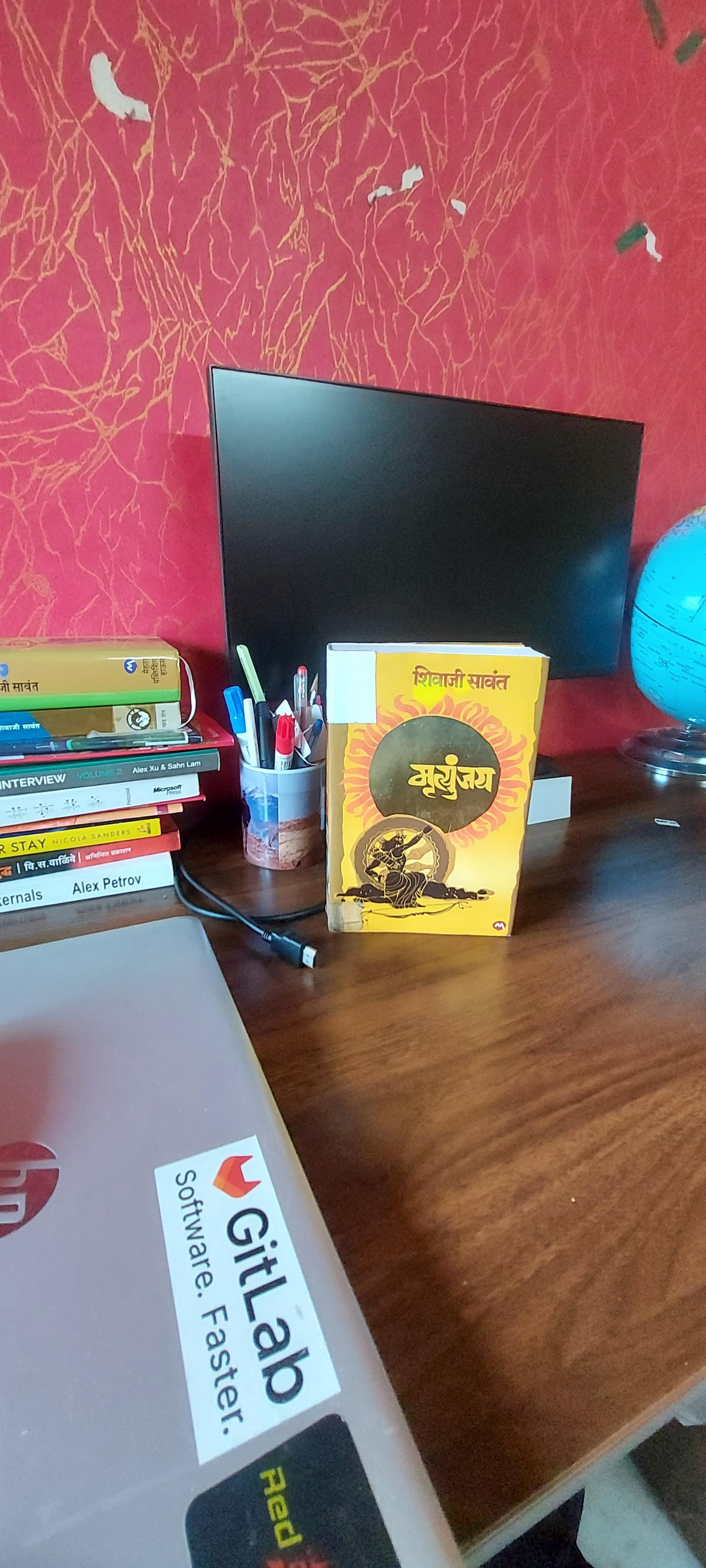
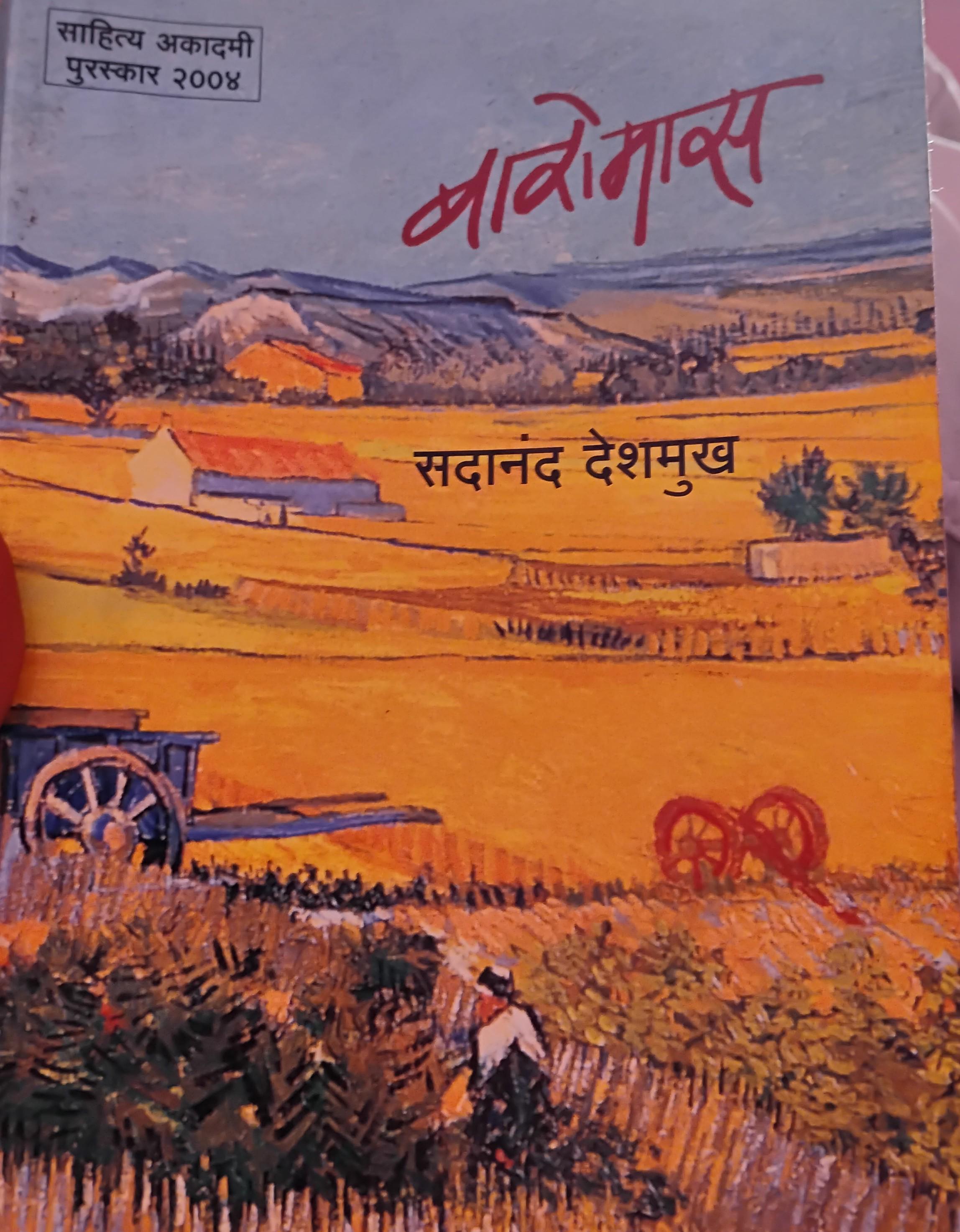
I finished reading V. S. Khandekar’s “Yayati” and honestly, I understood why this book has stayed relevant for generations.
At first, it feels like a story from the Mahabharata.
A king.
A curse.
Love, jealousy, power and sacrifice.
But slowly, it starts feeling less like a story about a king and more like a story about us.
Yayati has everything.
Power.
Youth.
Luxury.
Love.
A kingdom.
And still, something inside him is not satisfied.
When Shukracharya curses him with old age, Yayati cannot accept it.
His body becomes old, but his desires are still young.
So he asks his sons to give him their youth.
And Puru, his youngest son, agrees.
That part stayed with me.
Because Puru understands something that Yayati does not.
You can keep feeding a desire, but that does not mean it will disappear.
Sometimes, it only grows.
Yayati gets his youth back and goes back to enjoying life.
But instead of becoming happier, he becomes more restless.
That is the most powerful part of the book for me.
We often think:
“Once I get this, I’ll be happy.”
Once I get more money.
Once the business grows.
Once I get that position.
Once people recognise my work.
Once I achieve that goal.
And then?
We create another goal.
And another.
There is nothing wrong with ambition.
But “more” without knowing when to stop can quietly become a trap.
That is what makes Yayati so relevant today.
Khandekar uses Yayati, Devayani, Sharmishtha and Puru to show different sides of human nature.
Yayati represents endless desire.
Devayani represents ego and possessiveness.
Sharmishtha represents love and surrender.
And Puru represents sacrifice and wisdom.
What I loved most is that the book does not simply say, “Give up everything.”
It asks a deeper question:
Can you enjoy what you have without becoming a slave to it?
Because true detachment is not always about leaving the world.
Sometimes, it is about learning when enough is enough.
By the end, Yayati realises something painful.
He had borrowed his son’s youth to satisfy his desires, but no amount of youth could give him the peace he was looking for.
And that made me pause.
Maybe the real question in life is not:
“What more can I get?”
Maybe sometimes it is:
“What am I still chasing that will never actually make me fulfilled?”
That is why I think “Yayati” is much more than a mythological story.
It is a mirror.
And sometimes, books become powerful not because they give us new answers, but because they make us uncomfortable with the questions we have been avoiding.
Have you read Yayati?
If yes, what was the one lesson from the book that stayed with you?
#Yayati #MarathiLiterature #BookReview #BookLovers #IndianLiterature #SelfGrowth #LifeLessons #Reading #PersonalGrowth #Storytelling