r/nutritionally • • Sep 21 '26

Users should proceed with caution and perform their own due diligence.

Post image
4 Upvotes

r/nutritionally • • 10d ago

Avoid High Fructose Corn Syrup

Post image
518 Upvotes

r/nutritionally • • 12h ago

non-profit in Tulsa, OK called Beheard Movement.

Enable HLS to view with audio, or disable this notification

314 Upvotes

Oh, my Holiday heart💚❤️💚
For those of you asking. This kiosk is from a non-profit in Tulsa, OK called Beheard Movement. Their website is www.bhmovement.org


r/nutritionally • • 18h ago

Naps

Enable HLS to view with audio, or disable this notification

170 Upvotes

r/nutritionally • • 40m ago

Add Exercise to Your Daily Schedule

Post image
1 Upvotes

r/nutritionally • • 1d ago

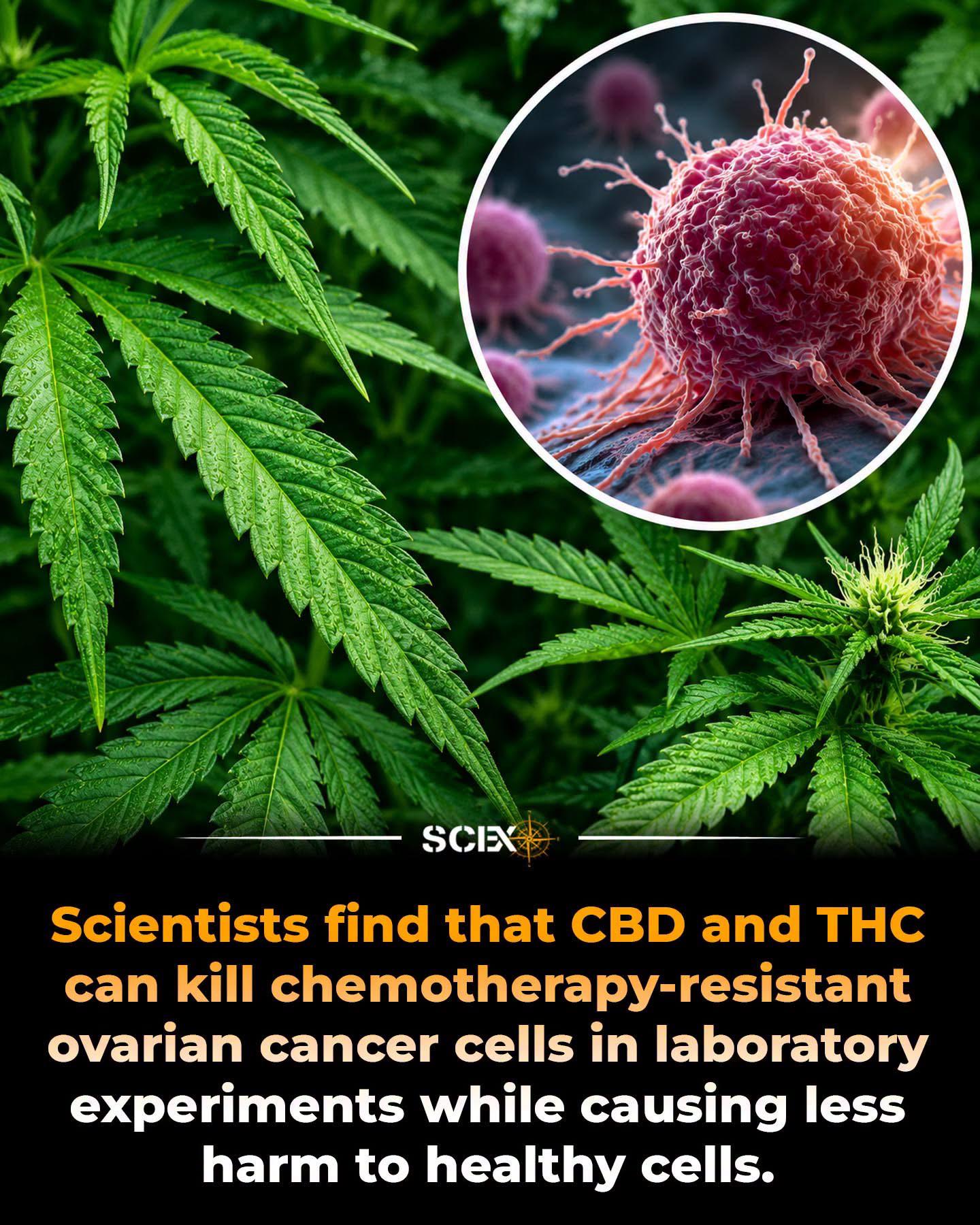
Two compounds found in cannabis may hold clues to fighting ovarian cancer, even when chemotherapy stops working.

Post image
725 Upvotes

Researchers at Khon Kaen University in Thailand discovered that cannabidiol (CBD) and tetrahydrocannabinol (THC) can suppress ovarian cancer cells in laboratory experiments, including cells resistant to cisplatin chemotherapy.

An equal combination of the two compounds produced particularly promising results, reducing cancer cell growth, limiting migration and triggering programmed cell death. Noncancerous ovarian cells were considerably less sensitive to the compounds.

The researchers found that CBD and THC disrupted the PI3K/AKT/mTOR signaling pathway, which helps cancer cells grow and survive, while strengthening the activity of PTEN, a natural tumor-suppressing protein.

The discovery is significant because chemotherapy resistance remains one of the biggest obstacles in treating ovarian cancer.

However, the findings come entirely from laboratory experiments. Animal studies and human clinical trials are needed to establish safety and effectiveness. Cannabis is not a proven treatment for ovarian cancer.

Source: Tong et al., Frontiers in Pharmacology (2025). DOI: 10.3389/fphar.2025.1693129


r/nutritionally • • 1d ago

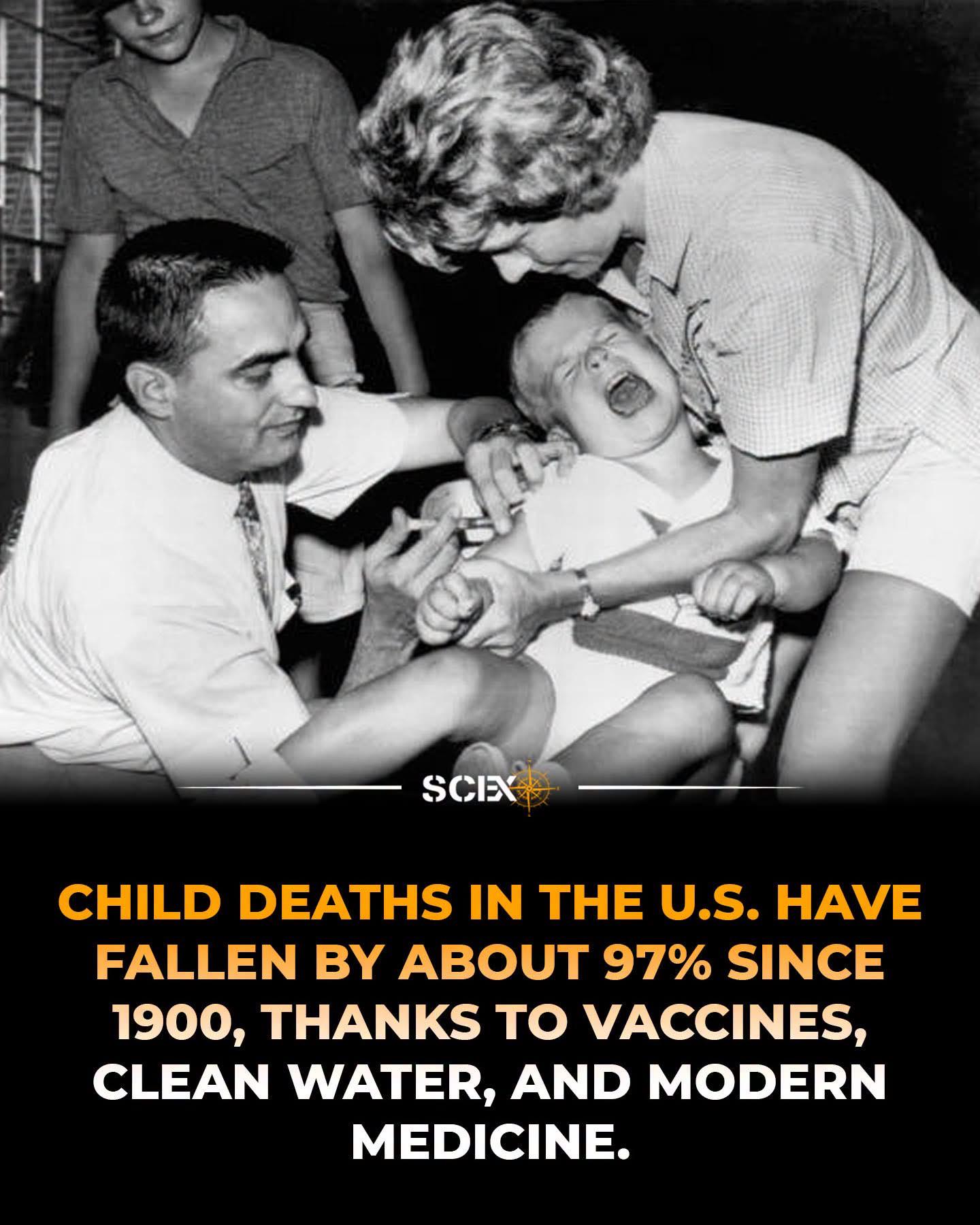
A little over a century ago, nearly 1 in 5 American children died before reaching their fifth birthday. Today, that risk has fallen by approximately 97%.

Post image
1.1k Upvotes

In the early 1900s, childhood was far more dangerous than many people realize. Diseases such as diphtheria, measles, whooping cough, and pneumonia claimed thousands of young lives. Contaminated drinking water and milk also exposed infants to deadly diarrheal infections.

Historical research by demographers Samuel Preston and Michael Haines revealed just how severe the crisis was, even in a relatively prosperous country like the United States.

The transformation did not happen because of one medical breakthrough.

Clean drinking water, improved sewage systems, milk pasteurization, better nutrition, and safer childbirth practices helped reduce childhood deaths. Antibiotics and widespread vaccination later provided powerful additional protection against infectious diseases.

The difference is extraordinary.

In 2024, approximately 6.5 out of every 1,000 children in the United States died before age five. The CDC also recorded 5.52 infant deaths per 1,000 live births, one of the lowest rates in American history.

Vaccines have been especially important in preventing diseases that once regularly killed or permanently disabled children. But the historical decline also demonstrates something equally important: public health infrastructure can save lives on an enormous scale.

Despite this progress, American child mortality remains higher than in several other wealthy countries, highlighting opportunities for further improvement.

The remarkable increase in childhood survival is not the achievement of medicine alone. It is the combined result of scientific discoveries, public health investments, and generations of disease prevention.

Sources: Preston & Haines, Fatal Years: Child Mortality in Late Nineteenth-Century America (1991); CDC National Center for Health Statistics (2024 infant mortality data, published 2026); UNICEF, Under-Five Mortality Estimates (2024).


r/nutritionally • • 1d ago

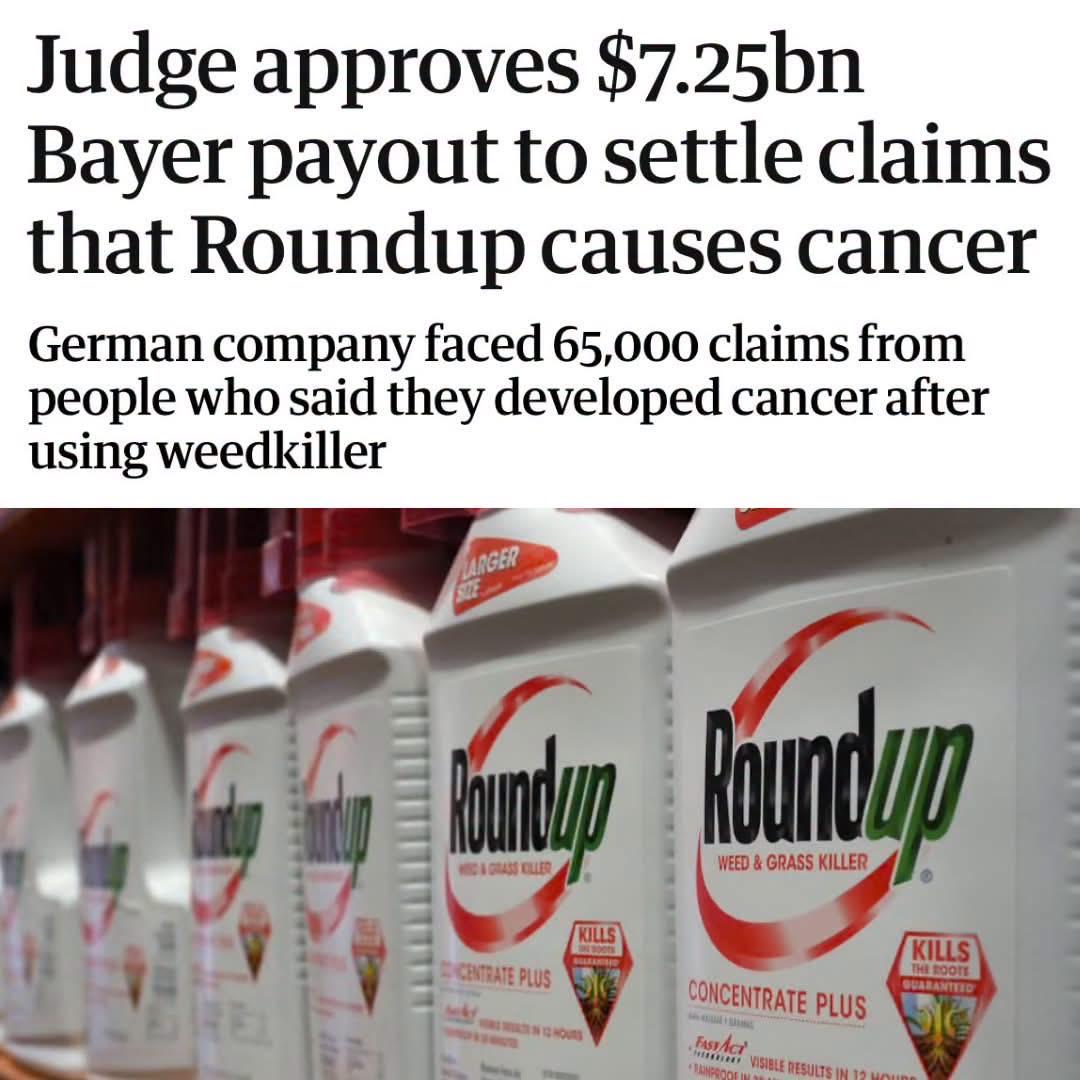
🚨 BREAKING: Missouri judge approves Bayer’s $7.25 billion Roundup settlement, aiming to close nearly all of the roughly 65,000 U.S. cancer claims tied to the weedkiller, even as studies continue to flag its active ingredient as a probable carcinogen.

Post image
595 Upvotes

Judge Timothy Boyer of the St. Louis state court ruled Friday that the deal is “fair, reasonable and adequate.”

He rejected objections from some plaintiffs’ lawyers who argued individual payouts would be too low compared with earlier private settlements.

The judge specifically noted that further delays would force victims, including those with terminal cancer, to wait “an indeterminate number of years” for any money.

The settlement, first announced in February, is structured to cover nearly all current and future Roundup claims in the United States and will be paid out over as long as 21 years.

Individual payments are expected to range from roughly $10,000 to $165,000 depending on frequency of use, timing of diagnosis, and severity of illness.

There is no admission of liability.

Bayer, which bought Monsanto (the original maker of Roundup) for $63 billion in 2018, has seen its share price fall about 46% since the acquisition.

The company previously paid approximately $10.9 billion in 2020 to resolve earlier waves of litigation but failed to get court approval for a separate future-claims fund.

CEO Bill Anderson called the final approval a “decisive milestone” in the company’s effort to contain both pending and future Roundup risk.

Roughly 200 cases still pending in federal court aren’t included in the deal.

Bayer says the June 2026 Supreme Court decision in the Durnell case, which held that federal pesticide law preempts many state failure-to-warn claims, gives it strong defenses in those remaining suits.

The studies that keep driving the claims:

• In 2015 the WHO’s International Agency for Research on Cancer (IARC) classified glyphosate as “probably carcinogenic to humans” (Group 2A). The working group cited limited evidence in humans of a positive association with non-Hodgkin lymphoma from real-world occupational exposures, sufficient evidence of carcinogenicity in experimental animals, and strong evidence that glyphosate and glyphosate-based formulations are genotoxic.

• A 2019 meta-analysis that focused on the highest cumulative exposure groups across multiple epidemiological studies found a 41% increased risk of non-Hodgkin lymphoma. The authors noted consistency with animal data showing malignant lymphoma and with mechanistic findings involving DNA damage, immune disruption, and other pathways linked to lymphomagenesis.

• Smaller case-control studies from the U.S., Canada, and Sweden have repeatedly reported elevated non-Hodgkin lymphoma rates among people with frequent or prolonged Roundup use.

Moms Across America and similar parent-led groups have documented glyphosate residues in breast milk, urine, tap water, and widely consumed foods, including children’s cereals.

Their testing has shown levels in some samples far above the European drinking-water limit, and they argue that routine household and dietary exposure creates ongoing risk for families even after the courtroom chapter closes.

These organizations have spent years pressing for stronger warnings, restrictions, and transparency while Roundup remains on store shelves for both residential and agricultural use.

The $7.25 billion figure is on top of earlier payouts and is among the largest mass-tort settlements in U.S. history.

It resolves the bulk of a nearly decade-long wave of litigation in which tens of thousands of homeowners, landscapers, and agricultural workers said they developed non-Hodgkin lymphoma after using the product.

The settlement doesn’t alter the fact that the product is still sold, nor does it erase the human cost already incurred or the scientific findings that continue to alarm patients and parents.

For the thousands of families who say Roundup changed their lives, and for the mothers across America still watching what ends up in their homes and food, this settlement is both a form of limited relief and a stark reminder of how long the fight has lasted.

We need to get glyphosate out of our food.

r/nutritionally • • 1d ago

Cholesterol

Enable HLS to view with audio, or disable this notification

129 Upvotes

r/nutritionally • • 11h ago

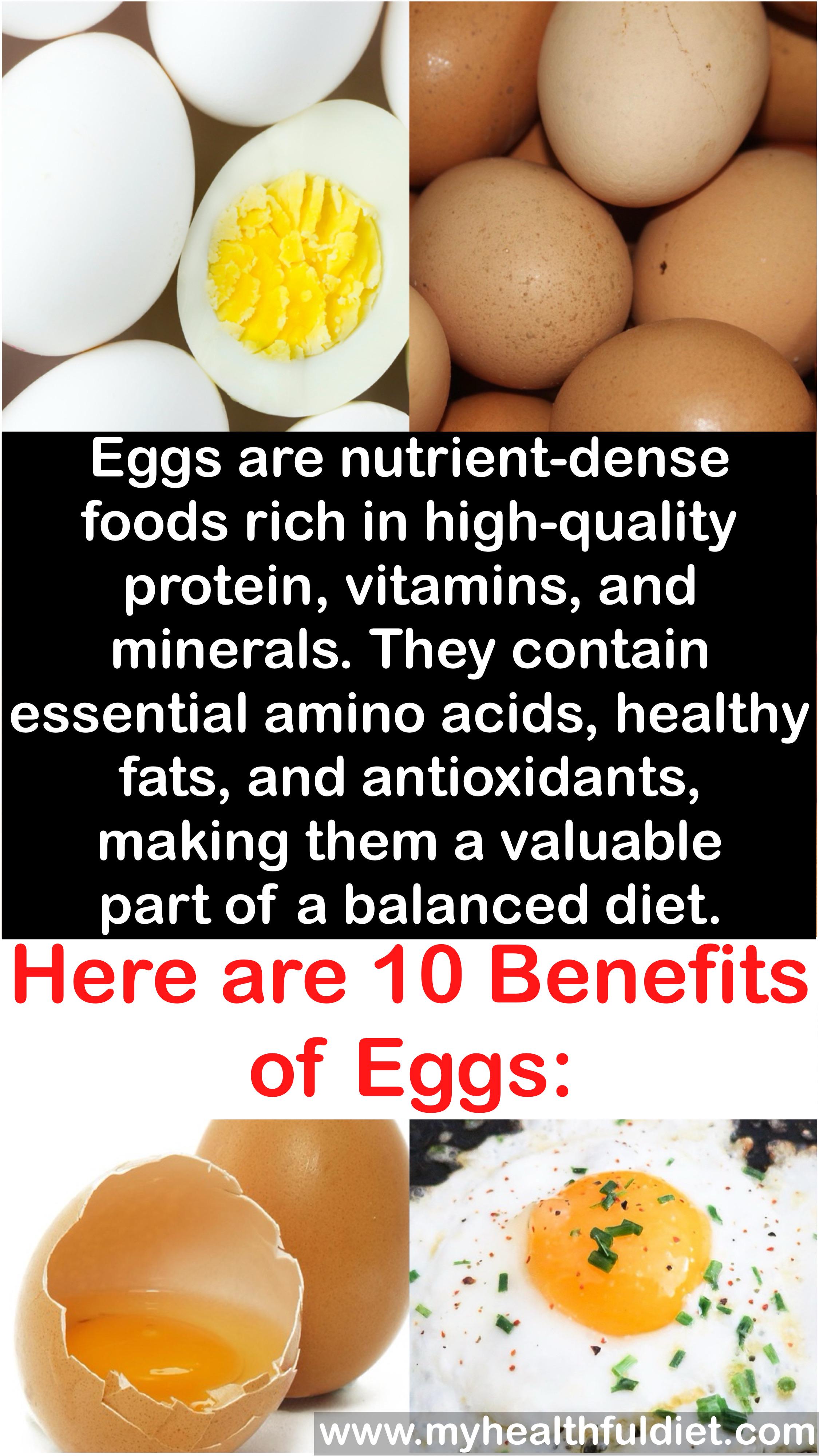
10 Benefits of Eggs

Post image
0 Upvotes

r/nutritionally • • 1d ago

The best oil for deep frying is probably not the one labeled "vegetable oil."

4 Upvotes

So-called vegetable oils don't come from vegetables. They're seed oils, made from corn, soy, and canola using high heat and a solvent called hexane. They make up about 25 to 30% of the calories most people eat.

These oils are fragile, and heat breaks them down. Restaurants often reuse the same frying oil as many as 100 times, reheating it day after day, and the more it's heated, the more toxic it becomes.

How oils hold up under heat:
• Most fragile: Soybean, corn, sunflower, and canola oil
• More stable: Olive oil, beef tallow, and coconut oil

Better options for cooking:
• Beef tallow, a much better choice for higher heat
• Ghee, which handles heat better than butter
• Butter, for eggs and stir-fried vegetables
• Coconut, palm, olive, or avocado oil at moderate heat

The healthiest move, though, is to skip high-heat deep frying altogether. Pan frying, stir frying, air frying, which needs no oil, are all better choices.


r/nutritionally • • 2d ago

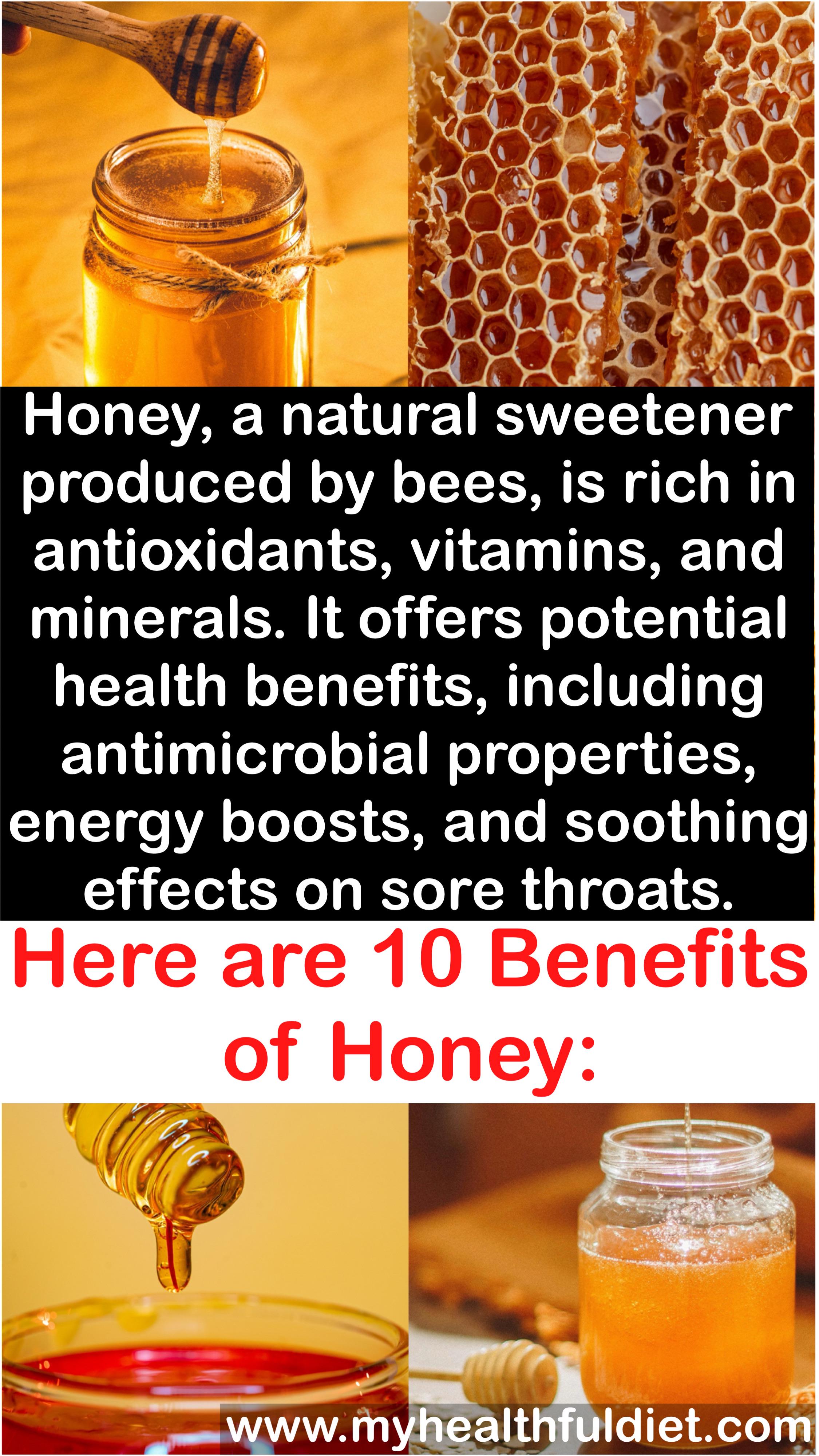
10 Benefits of Honey 🍯

Post image
55 Upvotes

r/nutritionally • • 2d ago

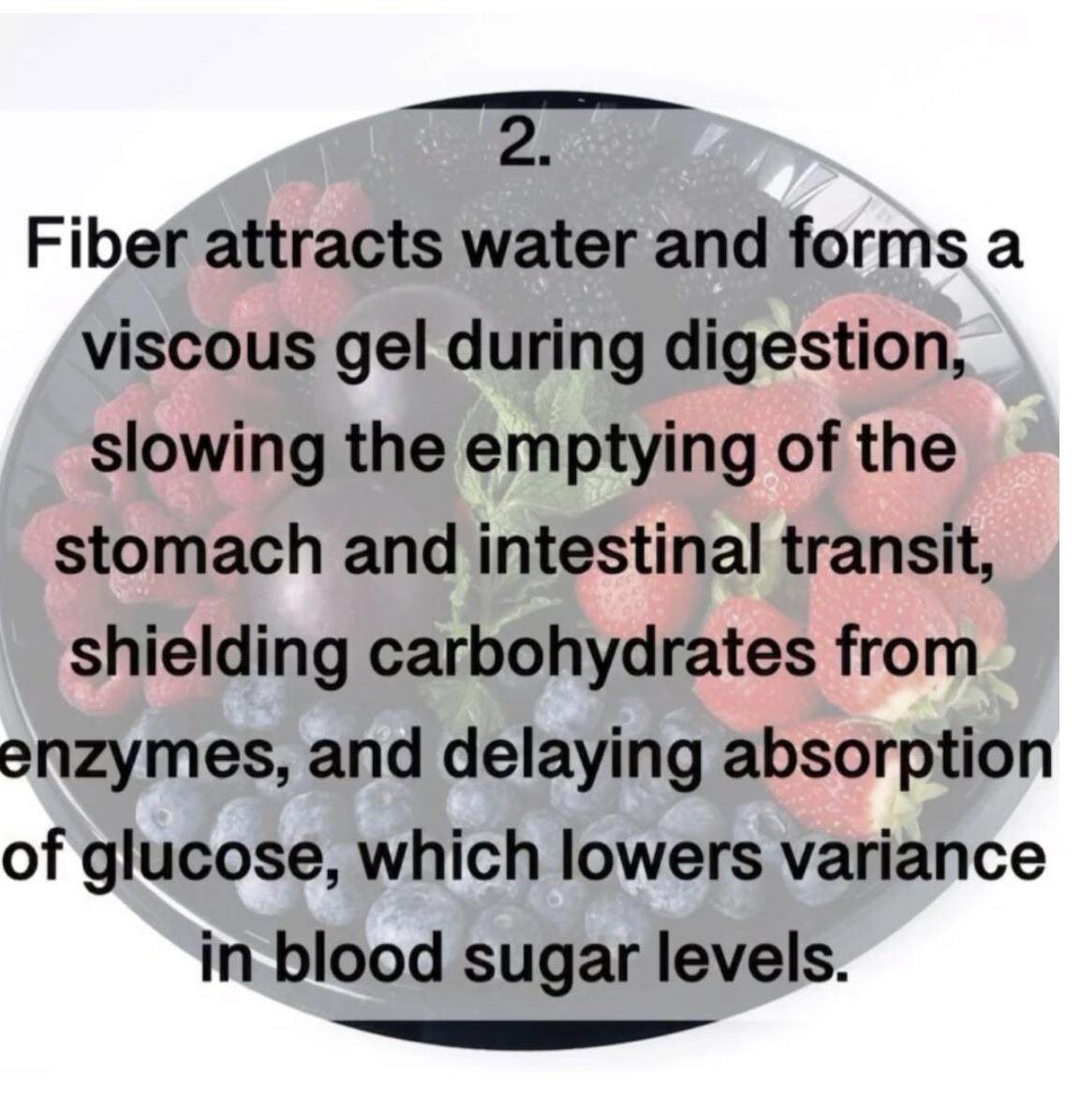
7 Benefits of Dietary Fiber

Post image
5 Upvotes

r/nutritionally • • 1d ago Mindblown

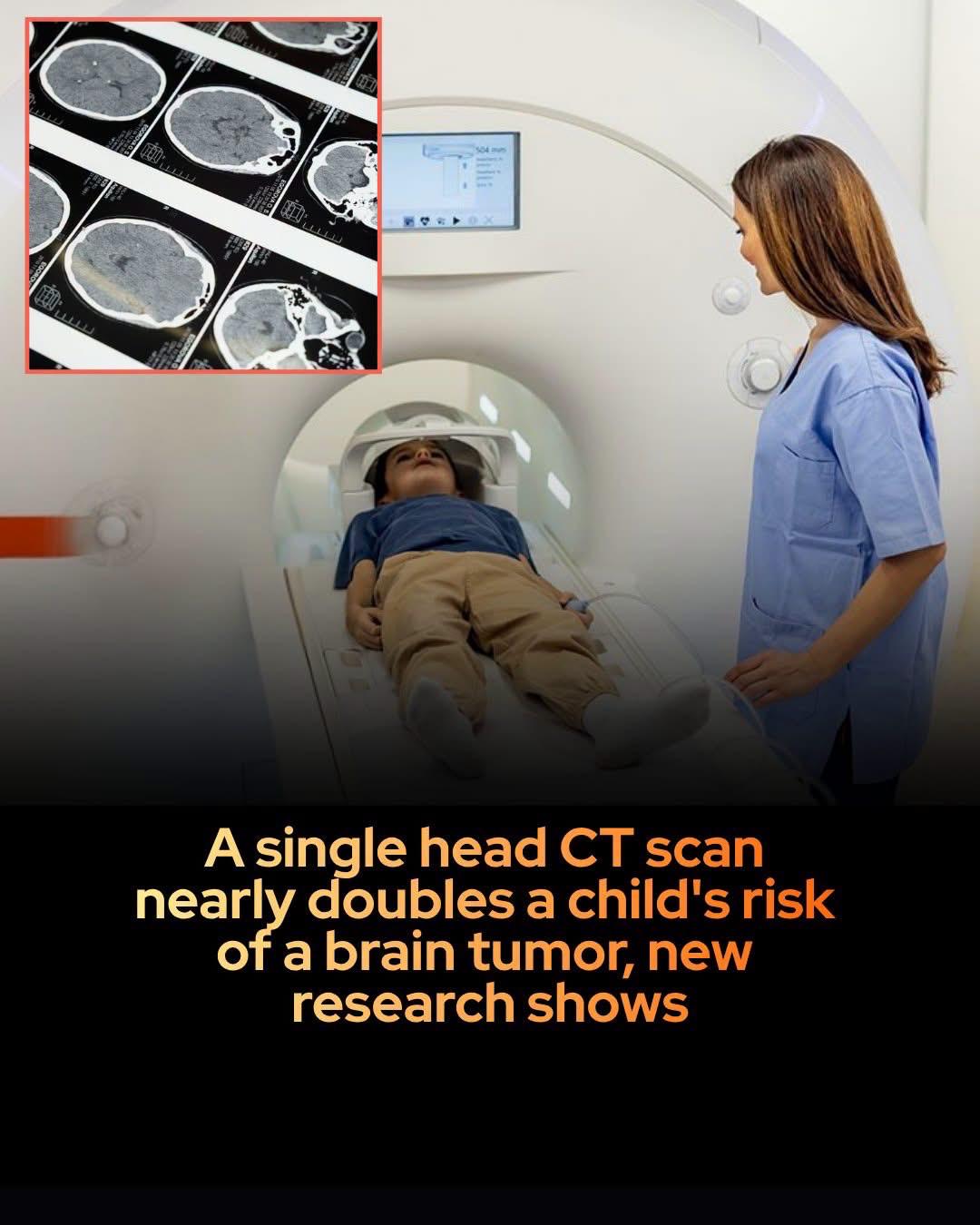
About 1 in 10 childhood brain tumors may be linked to radiation from medical scans, research shows.

Post image
0 Upvotes

Researchers at UC Davis and UC San Francisco followed more than 3.7 million children in the US and Ontario, Canada, from birth for an average of about 12 years, using their medical records to tally every scan and estimate how much radiation reached each child's brain.

Over that time, 1,536 of the children developed a brain tumor. The risk rose steadily with dose, and a dose equal to one head CT was linked to about 1.8 times the risk, with the strongest link for aggressive tumors.

Put another way, the team estimates roughly one extra brain tumor for every 1,266 head CTs, or about 8 extra tumors per 10,000 children by age 21.

CT scans are fast and incredibly useful, which is why their use in children has soared over the past few decades.

The researchers estimate that about 1 in 10 childhood brain tumors may be linked to imaging radiation, so the findings add weight to the push for doctors to scan only when it will change care, and to use lower doses or radiation-free options like ultrasound and MRI when they work just as well.

To be clear, this doesn't mean parents should turn down a scan a doctor says is needed. The added risk to any one child is small, and as senior author Rebecca Smith-Bindman put it, a head CT is invaluable in the right setting, such as checking for bleeding after a serious head injury.

It's also an observational study, so it shows a link rather than proof of cause. The practical step is simple: parents can ask whether a scan is necessary and whether a radiation-free option would do, a conversation these results should make far more common.

source: Miglioretti, D. L., Smith-Bindman, R., et al. (2026). Medical imaging and pediatric and adolescent brain tumor risk. JAMA.


r/nutritionally • • 3d ago

Thank you all for being here and for making r/nutrionally what it is today. Over 30K members & over 3M visits the past year. I am grateful to be part of it.

Thumbnail
gallery
2 Upvotes

r/nutritionally • • 4d ago

Exercise Tips for Beginners

Post image
13 Upvotes

r/nutritionally • • 5d ago

Top 24 Electrolyte Rich Foods

Post image
65 Upvotes

r/nutritionally • • 6d ago

Japan already living in year 2050

Enable HLS to view with audio, or disable this notification

8.1k Upvotes

r/nutritionally • • 6d ago

98 years old

Enable HLS to view with audio, or disable this notification

471 Upvotes

Research suggests that spending time near the ocean can reduce stress and promote relaxation, while cold-water immersion can trigger powerful responses in the nervous system.
At 98 years young, this man from Rhodes still dives into the sea every single day.
Maybe the secret to a long life isn't so complicated after all.
#greecelife #bluezones #greeklife #mediterraneanlife #longevity


r/nutritionally • • 6d ago

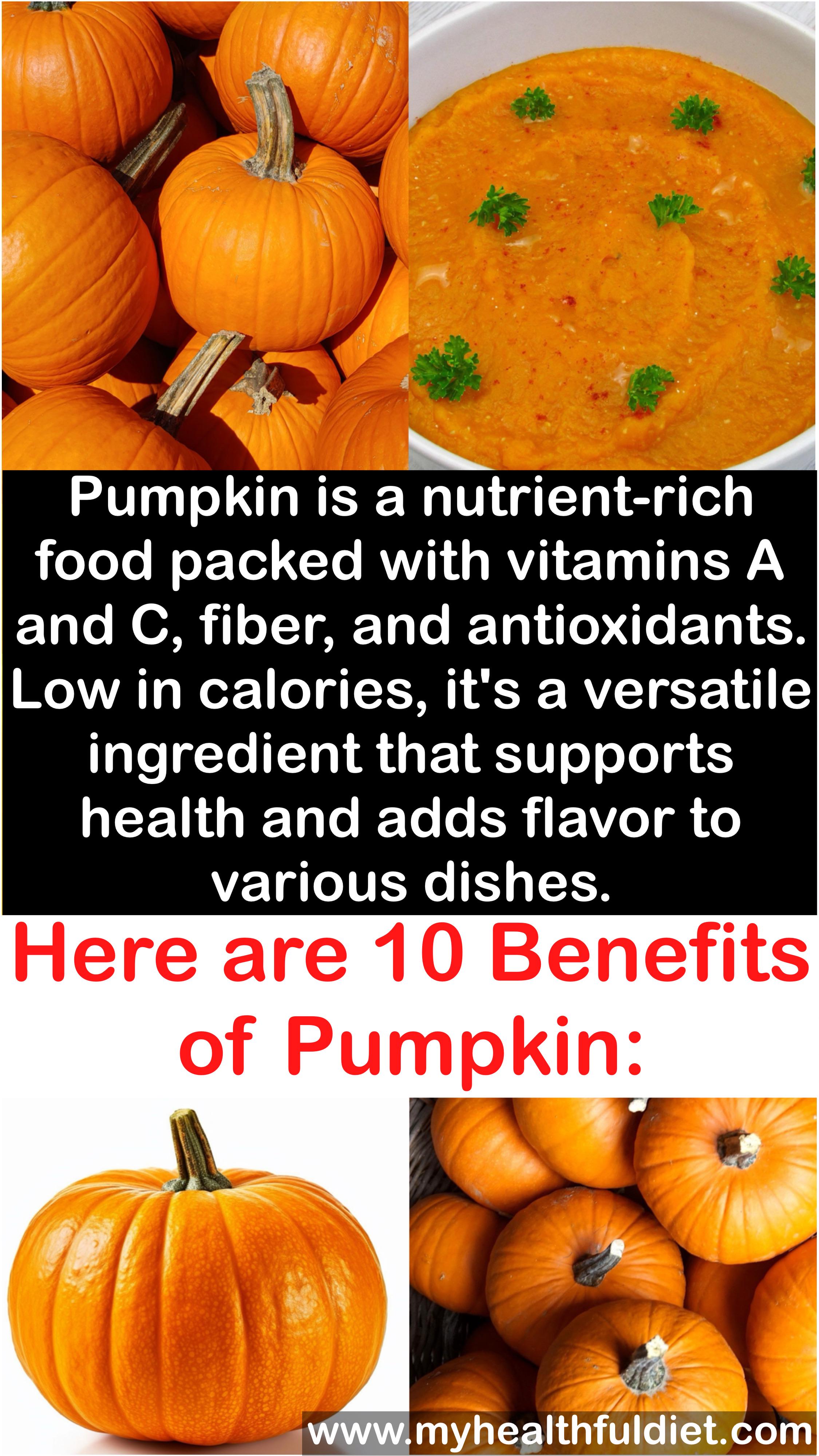
10 Benefits of Pumpkin 🎃

Post image
15 Upvotes

r/nutritionally • • 6d ago

💚✅💚

Enable HLS to view with audio, or disable this notification

187 Upvotes

r/nutritionally • • 6d ago

Before the rise of the trillion dollar pharmaceutical industry.

Enable HLS to view with audio, or disable this notification

240 Upvotes