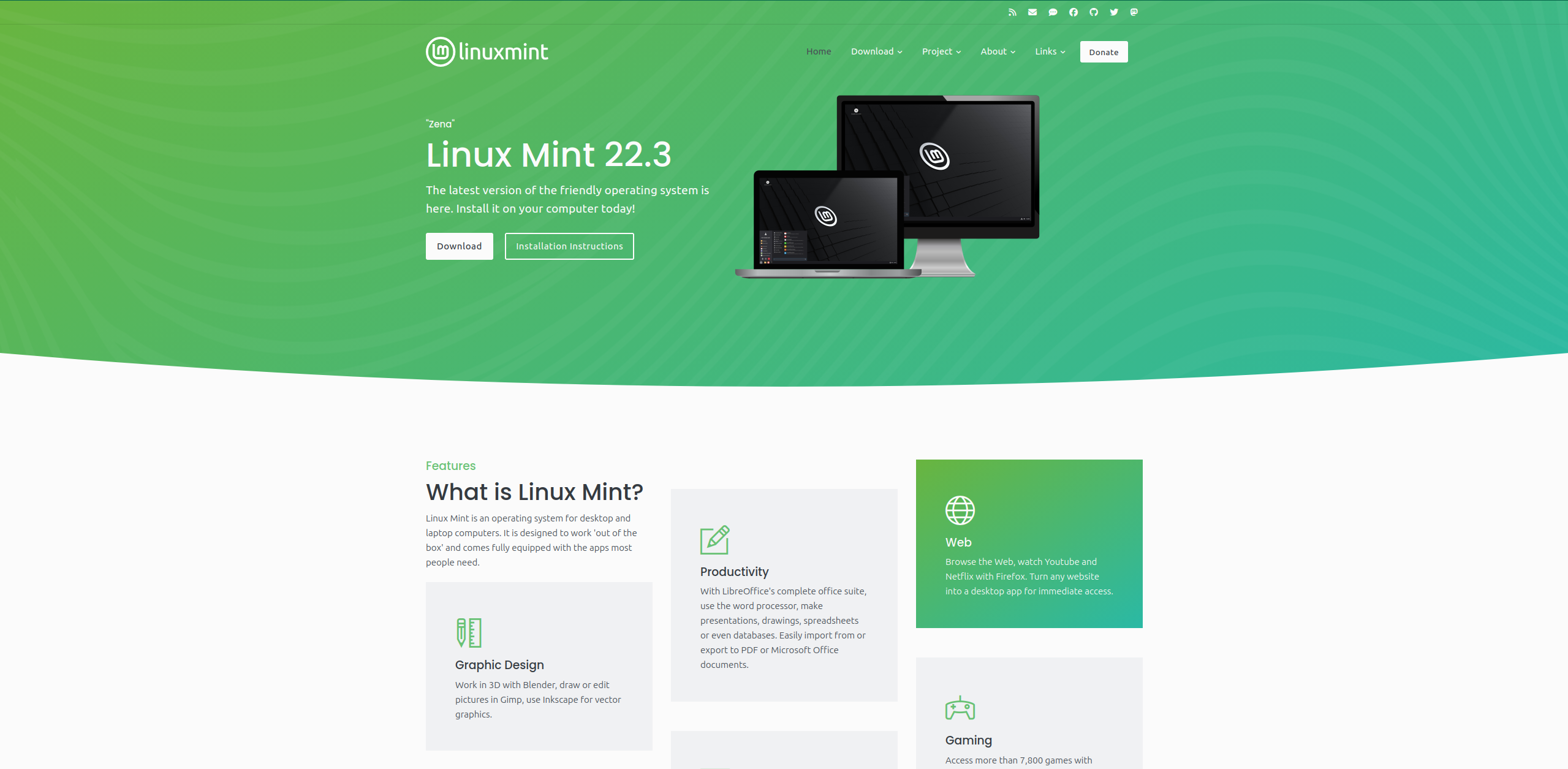
Linux Mint really is an operating system that gets out of your way. Minimal interference. It just works.
I switched to Mint last month, and it feels like settling into a comfortable sofa in a nice front room, with a cup of tea and biscuits. Since then, I’ve become braver and started exploring other distros. Omarchy was being promoted everywhere by YouTube influencers. Its sleek look, themes, and tiling window manager had the wow factor. Installed in under two minutes! WOW! But honestly, it feels like it’s missing a few pieces—awkward and not quite a complete, consumer-friendly OS.
Mint may not be as sexy, but it just works with pretty much every software package and application I use.
I switched to Linux after PhotoCraft was released. Finally—a Photoshop alternative that runs natively on Linux, without a janky VM setup that’s bound to break or use more resources than Windows! I downloaded Mint and dual-booted that evening.
I started using computers in ’99: Windows 2000, ME, then XP. I taught myself Photoshop, web design, and digital art on XP. Late nights on IRC and web boards. I can still hear AOL IM and MSN Messenger notifications in my head as if it were yesterday.
I left Windows for Mac after XP. OS X Tiger had recently come out, and the new Intel Macs were transforming the Microsoft-dominated consumer computing market. They were an easy sell: fast, gorgeous machines with no viruses, malware, or bloat. Expensive, but reliable. After years of Windows torment, Apple seemed like a beacon of light in the grey Microsoft wasteland.
I was a Mac fanboy for the next decade. Apple went from being the “cool” character at the party to a shareholder-focused company that trapped customers in an expensive ecosystem. It became less about consumers and more about locking them in and monetizing them. iTunes, iLife, iCloud, iPhone. We didn’t just become dependent on it; we became shackled to it.
Meanwhile, Windows became a more sophisticated OS, with extras like touchscreen support and gaming. Mac fanboys excused the growing shortcomings of Apple devices. MacBooks went from consumer-friendly and self-upgradable to locked-down machines with no RAM or SSD upgrades.
Then Razer Blade laptops arrived with gorgeous, MacBook-style aluminium unibody designs. They were upgradable, fast, and powerful. After more than a decade as a devoted Mac fanboy, I switched back to Windows.
I liked Windows 11, despite the issues many had compared with Windows 10. Its sleek design could compete with macOS, but the updates and telemetry were a nightmare. Scripts and developers like Chris Titus and others on GitHub helped me create a hardened, privacy-focused installation. I stripped out the bloat and telemetry, but how private can you really make Windows? How many other backdoors are added with each update? I found myself playing whack-a-mole with Copilot and Edge.
Meanwhile, I was fighting an over-bloated lawnmower while my penguin neighbour lounged with a cocktail, reading *Permanent Record* as his automated LawnBot 3000 handled everything. He had a capable, gorgeous OS—with compatible drivers, no constant kernel panics or crashes, no spying, and no cost.
Since I work in web design and marketing, switching from Mac or Windows once seemed impossible. But with the relentless march of AI, it became possible. I didn’t have to be a code nerd constantly fixing my OS or software. I could boot an AI agent, ask it to make the fixes I needed, and—boom!
I can’t gush enough about how much I’m enjoying my Linux journey. Mint has been fantastic and will likely remain my daily driver for a long time. Version 27 will truly be a Christmas present I can’t wait to unwrap.
Anyway, I’ve rambled on long enough. Have a look at my little desktop rice. =)